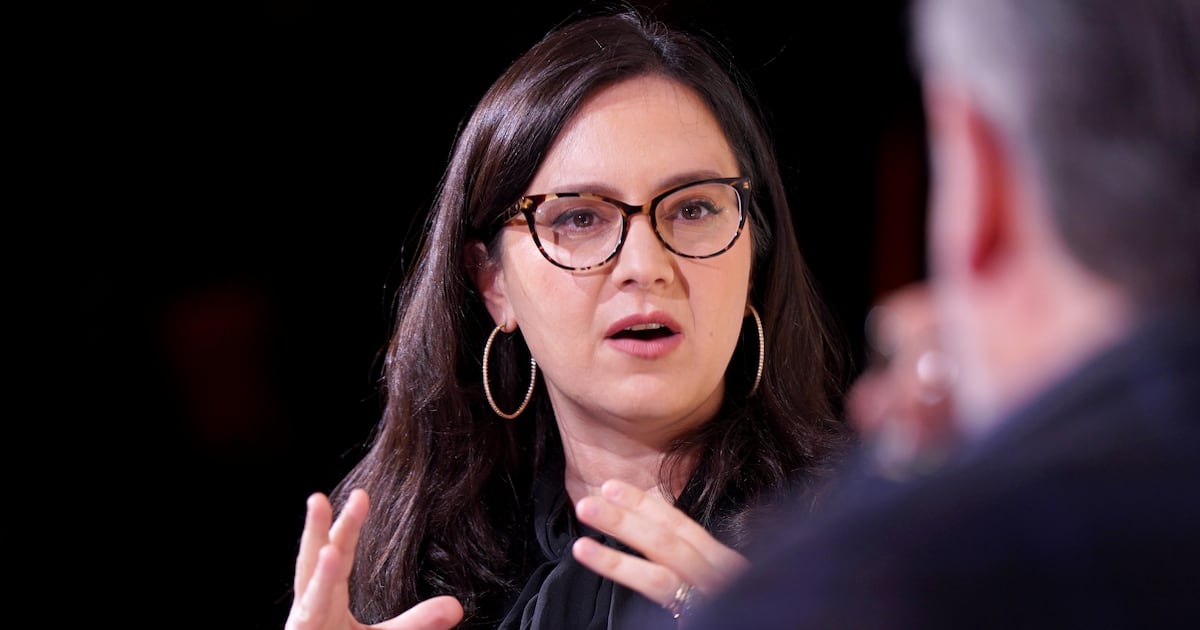
CBS News is facing internal tension as Bari Weiss’s booking decisions appear to sideline 60 Minutes correspondents, with Lesley Stahl reportedly considering whether to leave after the Netanyahu interview was assigned to Major Garrett. The piece also says Sharyn Alfonsi’s contract expires at month-end with no reported renewal talks, while Weiss may be reshaping 60 Minutes into a broader CBS News platform. The article is largely an internal personnel and editorial-control story, so direct market impact appears limited.
This is less a single-program personnel squabble than a signal that CBS is trying to convert premium editorial real estate into a centralized, platform-level content engine. If that succeeds, the economic center of gravity shifts away from the franchise's legacy correspondents toward management-controlled booking power, which tends to raise near-term efficiency but erodes the intangible asset that actually supports pricing power: trust with the audience and access with sources.
The second-order risk is a talent-retention cascade. In legacy news, senior on-air figures are not interchangeable labor; they are relationship assets with embedded network effects across sourcing, production, and advertiser confidence. If one marquee correspondent exits or publicly disengages, the cost is not just replacement expense but a likely dilution in interview quality, follow-on guest caliber, and editorial coherence over the next 1-2 quarters.
The broader market angle is that this kind of governance-driven editorial churn usually matters only when it starts affecting ratings durability or affiliate economics. That creates a lag: the immediate headline risk is reputational, but the monetization risk shows up later through weaker audience loyalty, lower prime-time lead-in value, and possible internal friction that slows decision-making during news-intensive periods. The geopolitical-booking angle also suggests management is prioritizing high-traffic national-security content, which can lift short-term attention but may not translate to durable franchise health if the core investigative identity gets blurred.
Contrarian view: the consensus may be overestimating the odds of a clean talent revolt. Senior correspondents often threaten departure but remain if compensation, platform, and prestige are still superior to alternatives. The bigger underappreciated risk is not a headline exit; it is a gradual hollowing-out of the brand over 6-12 months as top talent rationally reallocates effort elsewhere, which is much harder to detect in real time and more dangerous for valuation.
AI-powered research, real-time alerts, and portfolio analytics for institutional investors.
Request DemoOverall Sentiment
mildly negative
Sentiment Score
-0.25
