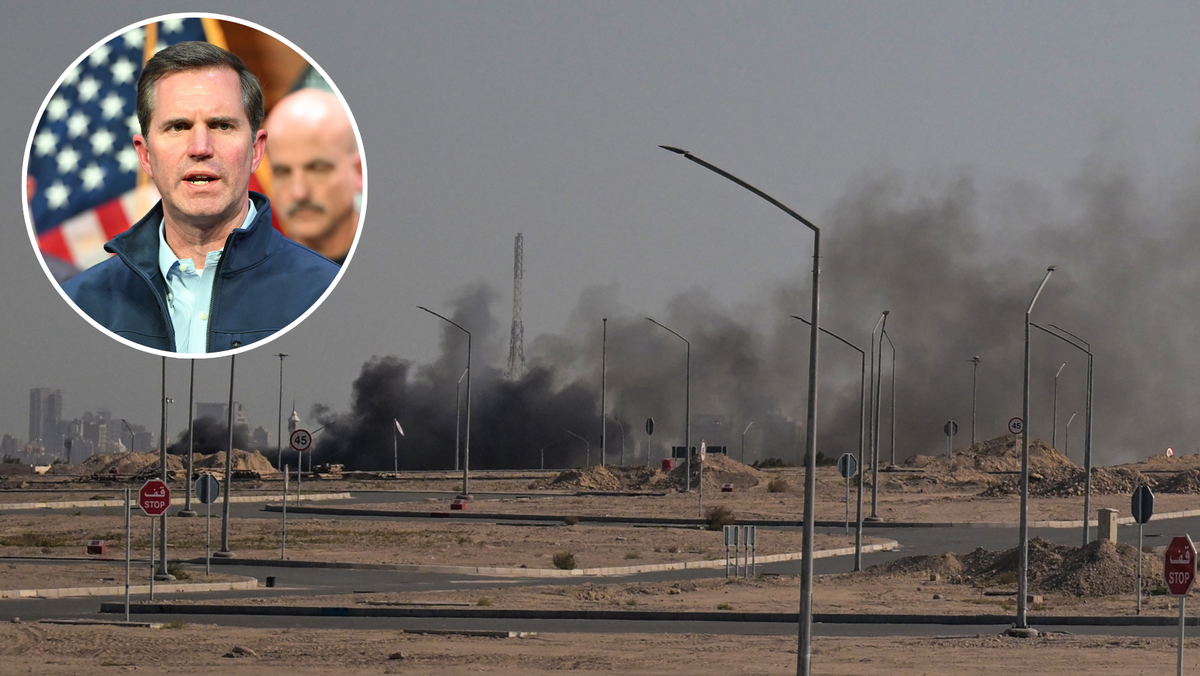
Six U.S. service members have died following a direct Iranian strike on a makeshift operations center at the Shuaiba civilian port in Kuwait, U.S. Central Command said after recovery of two additional remains. Kentucky Governor Andy Beshear said some of the deceased were based in Kentucky, though exact bases and counts are unknown, and Iran has since expanded strikes to include the U.S. Embassy in Saudi Arabia. The incident marks an escalation with potential implications for regional stability and could influence risk sentiment, defense-related equities and energy markets if further retaliation or broader conflict unfolds.
Market structure: Near-term winners are U.S. defense primes (LMT, RTX, GD) and large integrated oil & gas (XOM, CVX, COP) as buyers price higher defense budgets and risk premia in oil; direct losers are airlines (AAL, UAL), ports/terminal operators and shipping equities where war-risk insurance and rerouting compress margins. Competitive dynamics favor vertically integrated energy producers and legacy defense contractors with existing MRO and missile inventories; smaller regional carriers and pure-play shipping lines lose pricing power as war-risk surcharges (10–40%+) and route diversions persist.
Risk assessment: Tail scenarios include escalation closing Strait of Hormuz or direct strikes on Gulf crude facilities causing >1.0 mbpd physical supply loss and Brent >$100 within 30 days, or rapid diplomatic de-escalation compressing risk premia within 7–21 days. Hidden dependencies: higher war-risk insurance, container rerouting (Suez/Red Sea spillovers), and acceleration of U.S. defense procurement timelines; catalysts include U.S. retaliation, coalition involvement, or OPEC+ supply moves.
Trade implications: Tactical plays: add 2–4% long in LMT/RTX and 3–5% long in XOM/CVX, hedge equities with 1–2% of portfolio in SPY 1-month 3% OTM puts or buy 30–60 day VIX calls; implement Brent 3-month 80/100 call spreads (buy 80, sell 100) sized to 1–2% NAV to capture oil squeeze. Pair trades: long XOM (2%) vs short AAL (1%) or UAL (1%) to express energy/defense up vs travel down; rotate out of discretionary travel into energy/defense over 1–4 weeks.
Contrarian angles: Consensus may overpay short-dated safety; if oil fails to sustain >$85 WTI for five consecutive sessions, revert to mean — this would be a signal to trim energy longs by 30–50%. Historical parallels (2019 tanker attacks, 1990 Iraq) show defense outperformance lasts months but oil spikes are mean-reverting within 3–6 months absent sustained supply loss; unintended consequence: faster CPI pass-through could force Fed hawkishness, lifting real yields and compressing duration-sensitive names.
AI-powered research, real-time alerts, and portfolio analytics for institutional investors.
Request TrialOverall Sentiment
moderately negative
Sentiment Score
-0.50
