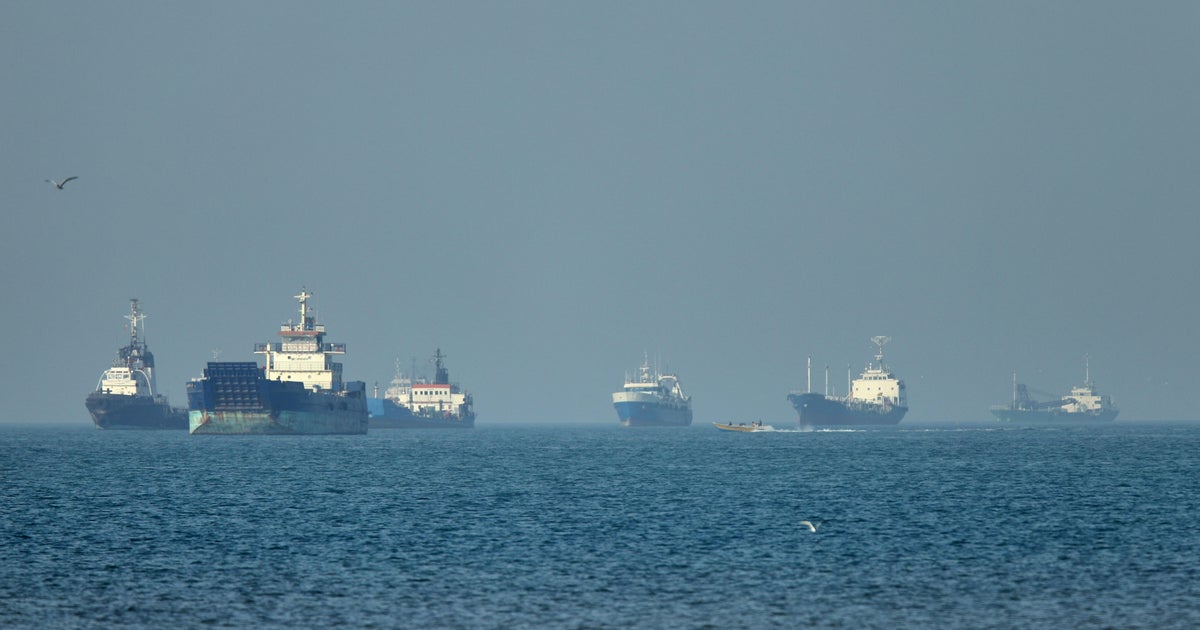
The U.S. is rerouting commercial shipping in the Strait of Hormuz to a lane farther from Iran after warnings that the normal route could be 'extremely hazardous' due to mines. Authorities say the Navy has cleared a safe passage as part of Project Freedom, but only 2 commercial ships have left the Persian Gulf since the operation began, versus about 1,550 vessels currently stuck there. The situation raises near-term disruption risk for global shipping and energy flows through a critical chokepoint.
The market is underpricing the second-order effect of a corridor reroute: even if cargo keeps moving, insurance, charter, and scheduling frictions will reprice the entire Gulf-to-Asia logistics chain. That typically widens the spread between spot and term freight, advantages owners with faster routing flexibility and punished assets with low utilization or weak balance sheets. The immediate equity winners are not the obvious energy producers, but the less-levered shipping names and defense/logistics vendors that can monetize elevated operational complexity without direct commodity exposure.
This is a classic “contained but sticky” geopolitical shock: the tail risk is not a full closure, it is repeated micro-disruptions that keep risk premia elevated for weeks. For energy, that means crude can stay bid even if barrels still flow, because traders pay up for optionality when a chokepoint becomes administratively fragile. The real catalyst to watch is whether the safe lane remains credible for more than several sailings; if incident-free transits accumulate for 1-2 weeks, the market will fade the headline faster than fundamentals justify.
The contrarian setup is that the initial fear premium may be overdone in broad indices while still underpricing beneficiaries in the shipping complex. If the U.S. can truly escort a functioning lane, the macro impact on oil supply is smaller than the headline suggests, which limits upside in integrated energy relative to the move in freight and marine services. That creates a cleaner relative-value expression than a simple long-oil bet, especially if the ceasefire language reduces the odds of immediate escalation but not the odds of elevated inspection, delay, and rerouting costs.
For timing, the next 3-10 sessions are about positioning for elevated volatility; the next 1-3 months are about whether the disruption becomes normalized as a new operating regime. If Iran refrains from further action, the premium should compress quickly; if there is any visible damage, boardings, or mine-related incident, the move becomes self-reinforcing through insurers and port operators.
AI-powered research, real-time alerts, and portfolio analytics for institutional investors.
Request DemoOverall Sentiment
moderately negative
Sentiment Score
-0.35
