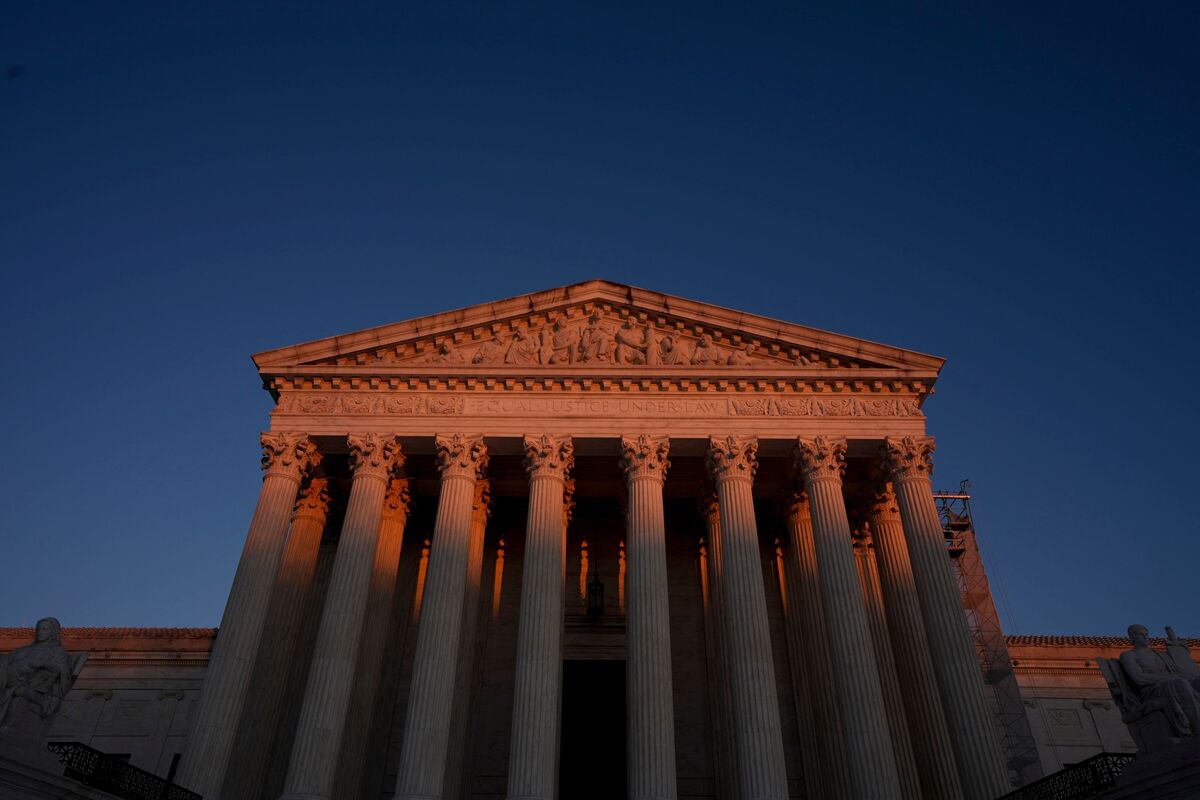
The US Supreme Court has allowed the Trump administration to maintain its freeze on approximately $4 billion in foreign assistance funding, preventing its obligation before the fiscal year-end deadline of September 30. This decision supports President Trump's effort to claw back these funds, which were set to expire if not committed by the State Department and USAID, impacting future international aid allocation.
The U.S. Supreme Court has permitted the Trump administration to maintain a freeze on approximately $4 billion in congressionally-approved foreign assistance funding. This ruling is significant as it effectively prevents the State Department and USAID from obligating these funds before they expire at the fiscal year-end on September 30. The decision supports the executive branch's effort to claw back appropriated funds, highlighting a notable tension between executive spending authority and legislative budgetary power. While the direct market impact is assessed as low, this event carries implications for U.S. fiscal policy, the federal budget process, and the execution of foreign policy, potentially affecting future aid allocations and international relations with recipient nations.
AI-powered research, real-time alerts, and portfolio analytics for institutional investors.
Request DemoOverall Sentiment
neutral
Sentiment Score
0.00
