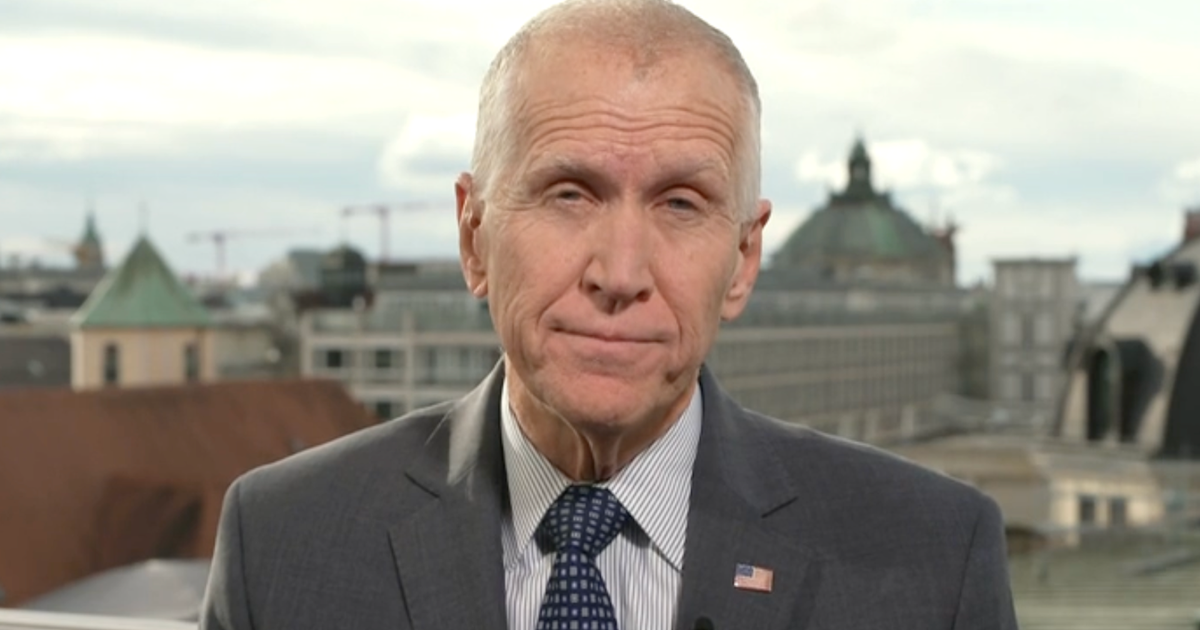
Sen. Thom Tillis said he will oppose confirmation of any Fed nominee, including President Trump's pick Kevin Warsh for Fed chair, until the Justice Department’s investigation into Chair Jerome Powell is resolved, potentially forcing Warsh to reconsider pursuing the nomination because of post-nomination business restrictions. The dispute stems from DOJ grand jury subpoenas related to Powell’s testimony on a Federal Reserve HQ renovation, leaving the timing of a confirmation hearing unsettled (the nomination has not yet been sent to the Senate) and creating short-term uncertainty around Fed leadership succession and policymaking continuity.
Market structure: The Tillis-driven delay to a Fed chair nomination raises political risk around Fed independence, increasing near-term volatility in rates-sensitive sectors. Expect a rotation from long-duration growth (QQQ, IWM) into financials (XLF/JPM/BAC) if the market prices a higher term premium; conversely, flight-to-safety episodes would favor Treasuries (TLT/IEF) and gold (GLD) for short windows. Liquidity in options on interest-rate-sensitive names will likely widen; cross-asset correlations (rates ↔ equities) should increase over the next 4–12 weeks.
Risk assessment: Tail scenarios include (A) DOJ indictment or aggressive subpoenas of Powell → rapid risk-off, 10y yield drop >50bp intramonth, SPX down >8%; (B) prolonged politicization → 10y yield rise >50–75bp over 3–6 months as term premium jumps, hurting duration. Immediate (days) risk = event-driven volatility around committee schedules; short-term (weeks–months) risk = pricing of policy tilt; long-term (quarters) risk = structural impact on Fed credibility and higher financing costs for corporates and munis.
Trade implications: Favor relative-long financials vs rate-sensitive real assets: a 2–3% overweight XLF vs a 1.5–2% underweight VNQ for 3–12 months, scalable by 1% if 2s10 steepens >40bp. Use defined-risk options to express rate-view: buy 3-month TLT put spreads (bearish TLT) sized 0.5–1% portfolio notional to profit from rising yields; buy 1–2% GLD as asymmetric hedge if DOJ escalation occurs.
Contrarian angles: Consensus assumes only downside from politicization; missing is that a blocked nomination could leave Powell in place and reduce near-term tightening risk, which would benefit long-duration growth if disinflation resumes. Historical parallels (nomination fights 2018–2019) show muted long-term economic damage but elevated short-term volatility — tradeable with tight timeboxes. Unintended consequence: aggressive Republican obstruction could push markets to pre-price delayed fiscal spending, amplifying term-premium moves and creating opportunities in long-dated Treasuries and bank net-interest-margin plays.
AI-powered research, real-time alerts, and portfolio analytics for institutional investors.
Request DemoOverall Sentiment
mildly negative
Sentiment Score
-0.25
