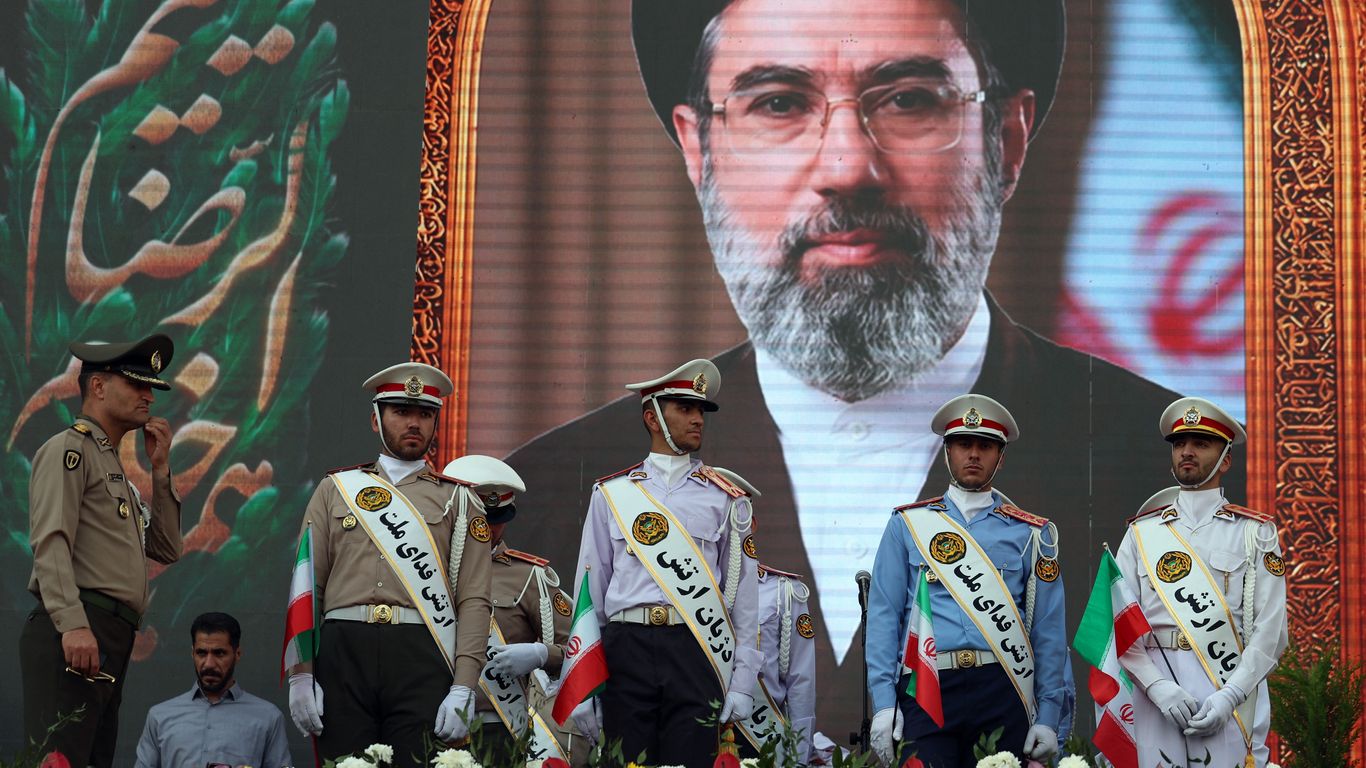
Four missiles were fired toward the UAE from Iran, with the UAE reporting a separate missile-and-drone attack that injured 3 people and triggered fires at a fuel facility and on ships off its coast. The U.S. said it intercepted cruise missiles and drones aimed at naval and commercial vessels in the Strait of Hormuz, while six Iranian small boats were eliminated. The escalation raises geopolitical risk for Gulf energy infrastructure and shipping, with potential spillovers into oil prices and regional transport flows.
The market is likely underpricing the regime shift from isolated harassment to a broader premium on regional transit risk. The first-order move is in crude and refined products, but the bigger second-order effect is in freight, insurance, and working-capital intensity for any business reliant on Gulf transit: even a short-lived increase in voyage delays can widen inventory buffers, hit shipping utilization, and tighten delivered-product spreads across Asia and Europe. If the Strait narrative persists for even 1-2 weeks, expect a mechanical bid to physical barrels and a sharp widening in tanker and marine-war-risk economics before any sustained damage to actual supply is visible. The most asymmetric beneficiaries are not generic energy equities but asset-heavy names with direct exposure to elevated utilization and rates. Tanker operators, LNG/shipping infrastructure, and marine insurance brokers can reprice faster than upstream producers because the market can immediately see higher day rates and replacement-cost protection; upstream beta is real, but it is slower and more hostage to policy response. Defense and counter-UAS vendors also gain because every additional incident strengthens procurement urgency in Gulf states, with budget decisions likely accelerating over months rather than days. The key contrarian risk is that headlines can outrun barrels. If no sustained disruption to export flows occurs, crude may mean-revert faster than implied vols in energy equities, especially if diplomatic backchannels or a show-of-force response restores deterrence within days. That creates an attractive setup to own convexity in oil while fading overextended shipping panic, since the true tail is not price alone but a confidence shock to transit reliability that can persist even after the shooting stops.
AI-powered research, real-time alerts, and portfolio analytics for institutional investors.
Request DemoOverall Sentiment
strongly negative
Sentiment Score
-0.82
