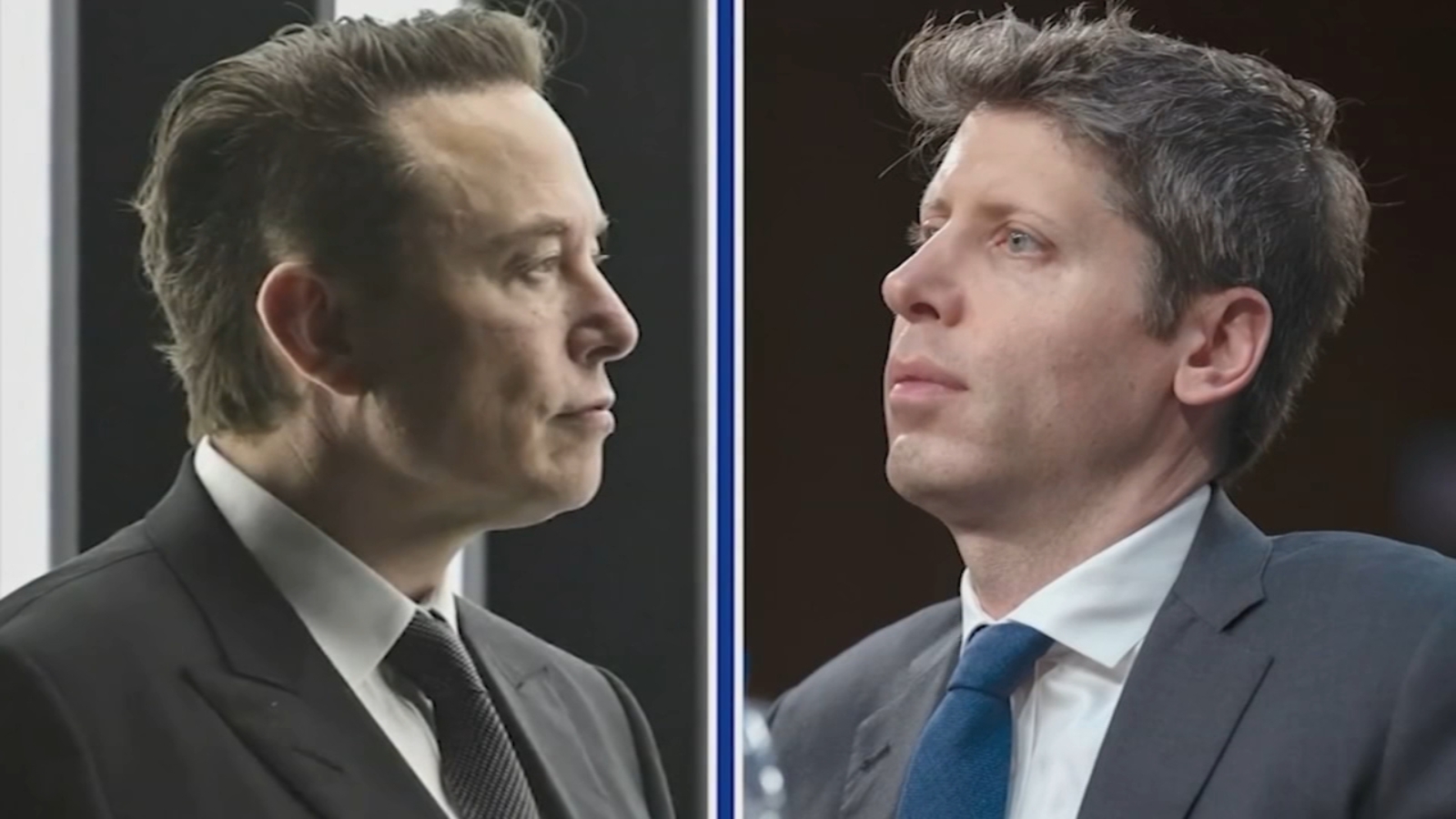
Elon Musk's lawsuit against OpenAI enters its second week, with testimony shifting to OpenAI President Greg Brockman and his unsealed journal entries. The case centers on claims that OpenAI's founders never intended to keep the company nonprofit, while Musk argues he is challenging a 'stolen charity.' The dispute could create public and financial uncertainty around OpenAI ahead of a possible IPO later this year.
This trial is less about a binary legal outcome than about creating a discount rate event for OpenAI's prospective listing. Even if the case does not change control, discovery-driven headlines can widen the implied governance premium for any IPO-bound AI name by keeping diligence buyers focused on mission drift, board oversight, and founder entanglements. That matters because pre-IPO investors typically pay up for narrative certainty; a live courtroom narrative can compress valuation multiples and extend lockups or pricing concessions. The more interesting second-order effect is competitive, not legal. OpenAI's largest strategic risk is not an injunction but slower enterprise conversion if customers and partners perceive governance instability; in AI, trust and procurement cycles are highly path-dependent, so even a short-lived reputational hit can defer revenue recognition by quarters. That creates an opening for alternatives with cleaner governance stories — especially Microsoft-adjacent enterprise AI layers, model-agnostic application vendors, and infrastructure beneficiaries that monetize compute demand regardless of winner. The contrarian read is that Musk may be over-earning the headline value of the dispute. If the market is already discounting OpenAI-specific uncertainty, the incremental downside from more testimony may be limited, while the broader AI capex trade could actually benefit if investors rotate from application-level narrative risk into picks-and-shovels exposure. The bigger tail risk is a document or testimony surprise that reframes founder intent or nonprofit governance, which would not just hit sentiment but potentially force underwriting changes for the IPO process over the next 3-6 months.
AI-powered research, real-time alerts, and portfolio analytics for institutional investors.
Overall Sentiment
neutral
Sentiment Score
-0.10
