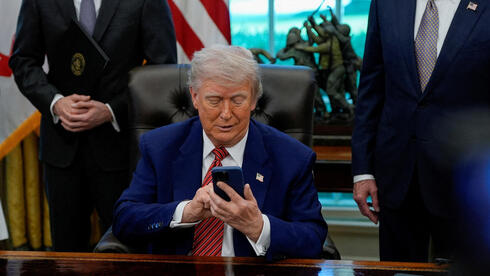
Trump Mobile says it has started shipping the T1 Phone after roughly 10 months of delays, but about 590,000 preorder customers had previously paid $100 deposits with no guaranteed delivery. The company revised its terms to say the deposit is only a "conditional opportunity" to buy, while criticism persists over the phone's apparent resemblance to a lower-cost Chinese-made model and the softening of its U.S.-manufacturing claims. The news is more reputational and legal than market-moving, though it may affect consumer trust in the brand.
The immediate market read is not on handset economics but on conversion quality: a large, prepaid funnel can create the appearance of demand while still collapsing on fulfillment, returns, and chargeback risk. That shifts the interesting exposure to the payment stack, merchant acquirers, and any downstream logistics/last-mile partners rather than the branding vehicle itself. If shipment quality is poor, the issue becomes a cash-dragging support and refund cycle over the next 1-3 quarters, not a one-day launch story.
The deeper second-order effect is that this is a negative data point for “patriotic device” positioning as a viable mass-market hardware category. It reinforces that low-cost U.S.-manufactured phones are structurally uncompetitive versus Chinese ODM supply chains, which should widen the moat for incumbents that own scale procurement and carrier distribution. If the product is merely a rebadged import, the economic winner is the original hardware ecosystem; the loser is any would-be challenger trying to monetize ideology instead of features.
Legally, the revised deposit language increases the probability of consumer complaints being framed as deceptive marketing if shipping slips again or the device differs materially from expectations. The relevant catalyst horizon is weeks for fulfillment headlines, then months for refund/complaint volume, and potentially a year-plus for any regulatory or class-action follow-through. The tail risk is not just reputational damage but forced concessions on refunds, which could unwind a meaningful portion of the upfront cash balance and expose weak working-capital dynamics.
Contrarian view: the consensus may be overestimating the importance of the launch itself and underestimating the durability of the brand's retail demand among a narrow segment of buyers. Even a flawed product can still monetize a loyal audience if churn is low and customer acquisition cost is effectively political media. But that only works if service quality is acceptable; once support becomes the story, the economics quickly resemble a low-margin, high-complaint prepaid MVNO rather than a defensible consumer franchise.
AI-powered research, real-time alerts, and portfolio analytics for institutional investors.
Request DemoOverall Sentiment
mildly negative
Sentiment Score
-0.35
