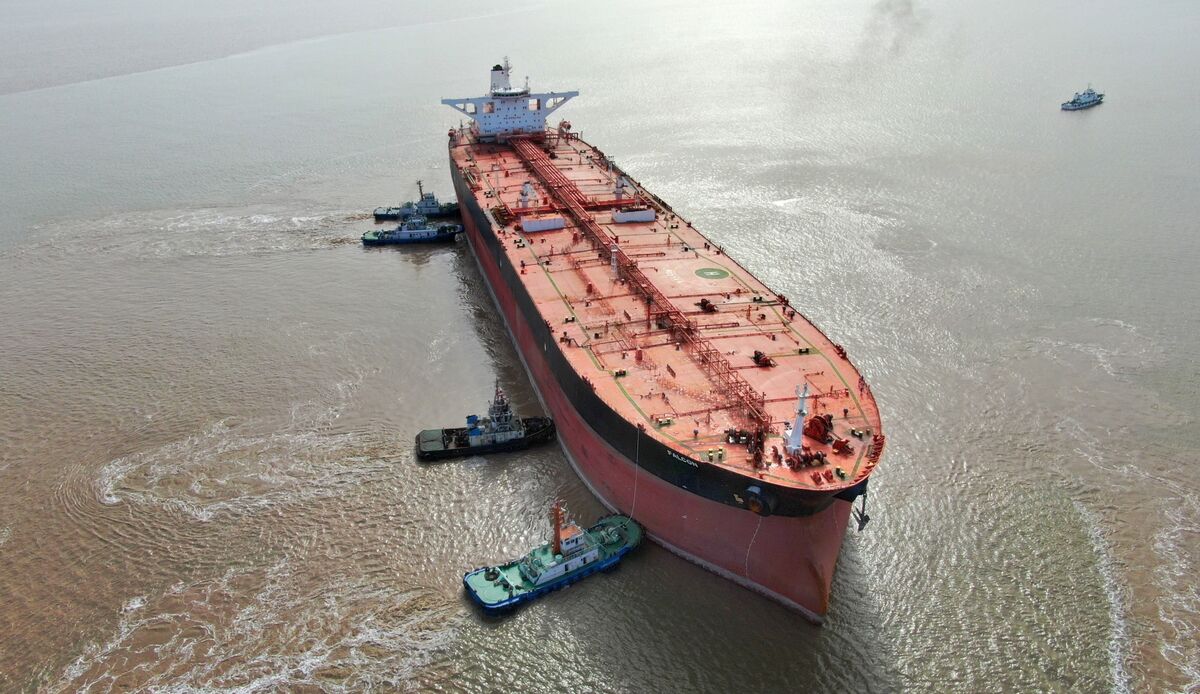
Trafigura Group plans to order two additional supertankers from a Chinese yard, a strategic move to reduce its exposure to the volatile shipping market by expanding its proprietary fleet. This initiative reflects the trading giant's anticipation of an "unprecedented need" for global fleet renewal within the next 2-4 years, positioning them to navigate future market shifts and an aging global vessel supply more independently.
Trafigura Group's plan to order two additional supertankers from a Chinese shipyard is a strategic move to insulate itself from volatility in the shipping charter market. According to the company's global head of shipping, Andrea Olivi, this decision is underpinned by a forecast of an "unprecedented need" for global fleet renewal over the next two to four years. By expanding its proprietary fleet, the commodities trading giant is proactively positioning itself to secure vessel capacity ahead of an anticipated market tightening driven by an aging global fleet. This forward-looking strategy suggests Trafigura expects vessel supply to become a significant constraint, and owning assets directly will provide a competitive advantage in cost and operational control.
AI-powered research, real-time alerts, and portfolio analytics for institutional investors.
Request DemoOverall Sentiment
moderately positive
Sentiment Score
0.45
