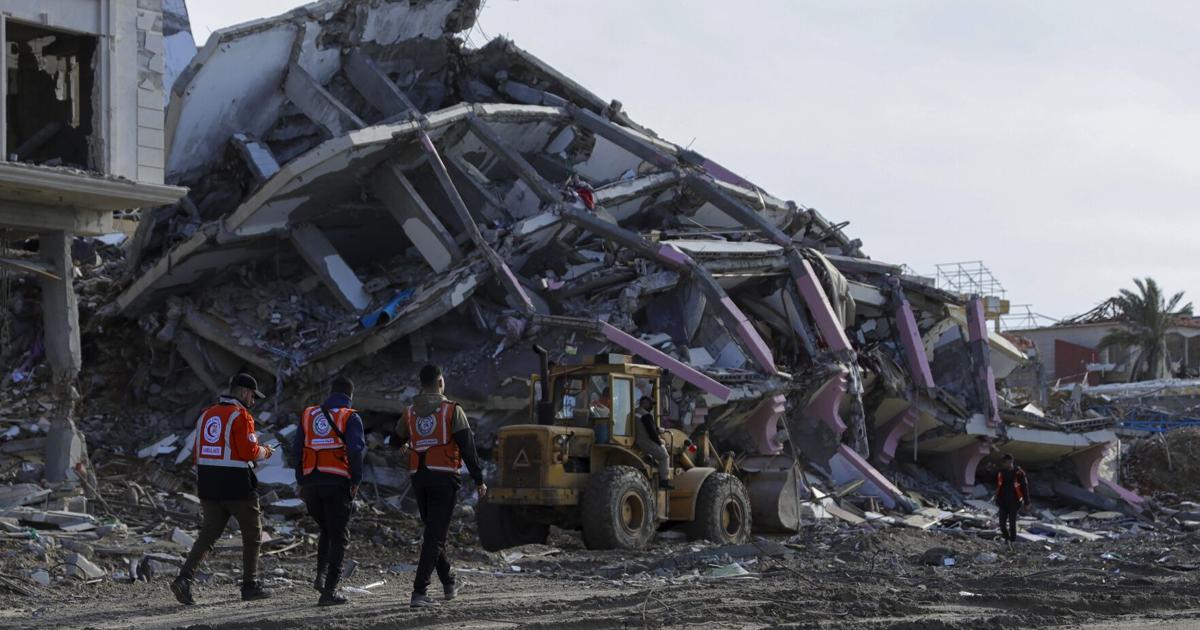
Brent crude is trading around $100/bbl after nearing $120 last week (≈+35% since the war began), reflecting sustained energy-supply risk as Iran rejects a U.S. ceasefire proposal and continues strikes on Israel and Gulf states. The U.S. is sending at least ~1,000 troops from the 82nd Airborne and roughly 5,000 Marines plus additional naval forces, increasing escalation risk. Expect prolonged oil-price volatility, potential supply-route disruption through the Strait of Hormuz, and sustained risk-off pressure across equities and regional assets.
The immediate market lever is higher costs across the maritime supply chain — rising war-risk insurance, bunker fuel premia, and redirected sailings will lift delivered crude and refined product costs by an extra $2–6/boe in the acute phase, before upstream production economics kick in. Expect tanker TCEs and FFAs to spike 3x–5x in days if chokepoint attacks persist, compressing refining throughput in regions dependent on Just-In-Time crude flows and widening diesel/gasoil cracks versus gasoline for 4–12 weeks.
Politically driven oil spikes are binary: tactical desk volatility over days-to-weeks, structural re-pricing over months if sanctions and insurance regimes harden. A sustained Brent >$110 for more than 30 days will force visible policy reactions (strategic releases, direct diplomatic concessions) that can unwind >50% of the premium within 30–90 days; conversely, attacks on export infrastructure that reduce effective global flows by even a few hundred kb/d could keep risk premia elevated for quarters.
Non-obvious second-order winners are specialist shipowners with large VLCC/tanker fleets and reinsurers underwriting war risks, while broad airline and travel equities are asymmetric losers due to fuel pass-through limits and demand elasticity. Banking and trade-finance desks with emerging-market Gulf exposure face meaningful short-term funding and CDS volatility; expect sovereign CDS to widen 100–300 bps in a protracted scenario, raising systemic capital charges for European banks exposed to KSA/Kuwait/Emirates trade corridors.
AI-powered research, real-time alerts, and portfolio analytics for institutional investors.
Request DemoOverall Sentiment
strongly negative
Sentiment Score
-0.75
