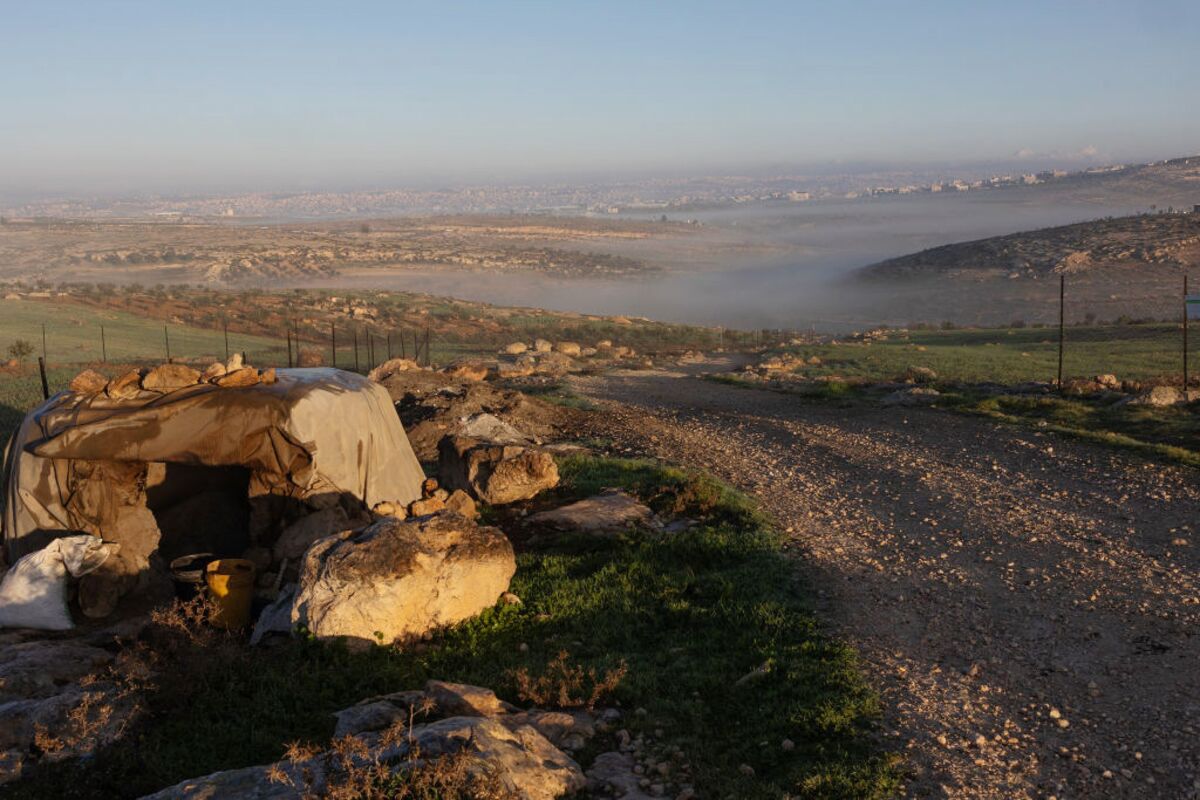
One West Bank farmer was killed and a second paralyzed after settlers opened fire during a land dispute in the southern Hebron Hills, underscoring authorities' failure to stop settler violence. The episode heightens law-and-order and political risk in the Occupied West Bank and is likely to damp investor sentiment and contribute to localized risk-off positioning, though it has limited immediate market-moving implications.
Localized violence in the West Bank has outsized financial effects through two channels: risk premia and policy reaction. Near-term, expect a bid to defense equities and sovereign-risk hedges as investors reprice political tail risk; over 1–3 months this typically translates to a 5–15% re-rating in small-to-mid cap defense contractors and a 3–7% move into safe havens if events persist.
Insurance and litigation exposures are an underappreciated second-order effect — agricultural exporters, specialty food importers in Europe, and NGOs operating in contested areas can see higher claims and ESG litigation, which raises working capital needs and can compress margins by low-single-digit percentage points for exposed players over 6–12 months. Separately, the biggest systemic lever is domestic politics: coalition pressure can push defense spending higher by several hundred million dollars within a budget cycle, benefiting suppliers with multi-year order pipelines.
The market knee-jerk is risk-off; that reaction can be mean-reverting if the violence remains geographically contained. Use a time-tiered approach: trade safe-haven and options decays for days–weeks, and selectively accumulate defense exposure 6–12 months if geopolitical uncertainty becomes structural. Avoid large directional bets on Israeli equities unless escalation crosses thresholds that draw regional actors in — that’s the binary that would justify deeper shorts or hedges.
AI-powered research, real-time alerts, and portfolio analytics for institutional investors.
Overall Sentiment
extremely negative
Sentiment Score
-0.90
