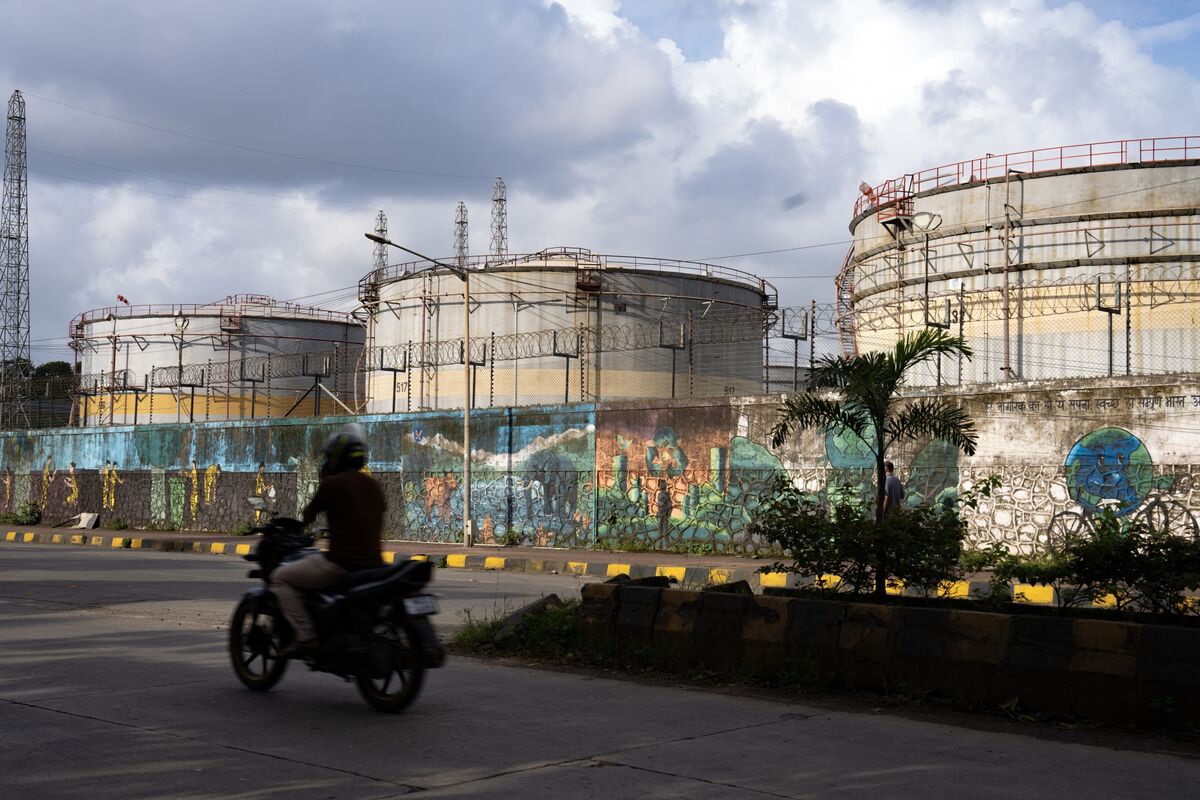
India’s imports of Russian seaborne crude, which reached about 2.1 million barrels a day in June (roughly 45% of its total imports), are expected to fall to a near four‑year low early next year after sustained US pressure. However, the development of workarounds and intensified Russian diplomatic outreach leave the durability of that decline in doubt, presenting a potential, but uncertain, reconfiguration of seaborne crude flows and price-sensitive supply dynamics for energy traders and EM-focused funds.
Market structure: A forced drop in India’s Russian crude imports (from 2.1 mb/d in June) shifts tonne‑miles, advantaging VLCC/ship owners and alternative Middle East suppliers while compressing margins for refiners configured for heavy/sour Russian grades. Expect crude price dispersion to widen: Brent upside shock risk of $10–20/barrel if Indian demand moves to longer‑haul barrels or if seaborne Russian flows are constrained. Cross‑asset: higher oil raises energy equities and inflation breakevens, pressures INR and EM sovereigns, and lifts volatility in energy options.
Risk assessment: Tail risks include US/EU escalation of enforcement (blocking ship‑to‑ship, flag blacklists) that could spike freight and oil premia, or conversely rapid Kremlin workarounds that restore flows within 3–6 months and crater tanker rates. Immediate (days–weeks): elevated shipping and oil vol; short (1–3 months): tightening of heavy crude availability for Asia; long (3–12+ months): structural re‑routing could sustain higher tonne‑miles and elevated E&P free cash flows. Watch vessel detention notices, sanctions guidance, and Russian export volumes (+/−25% thresholds).
Trade implications: Prefer long exposure to tanker owners and selective upstream producers while hedging INR and timing exposure via options; avoid/trim refiners with high heavy crude dependency in Asia. Use pair trades to isolate freight vs oil price risk (long VLCC owners, short regional refiners). Options: 3–9 month Brent call spreads to express priced upside with limited debit; FX options (USD/INR) to hedge/express balance‑of‑payments shock.
Contrarian angles: Consensus assumes a sustained India pivot away from Russia; that may be underdone if discounts re‑open or if Russia lowers price by 10–20% and maritime workarounds scale — that would crush tanker rates. Historical parallel: 2014–16 sanction workarounds show initial disruption then partial normalization over 6–12 months; mispricing exists where tanker equity valuations price permanent shock rather than temporary 6–12 month surge. Unintended consequence: higher freight + higher Brent could accelerate US onshore drilling, capping price upside within 9–12 months.
AI-powered research, real-time alerts, and portfolio analytics for institutional investors.
Request DemoOverall Sentiment
neutral
Sentiment Score
-0.10
