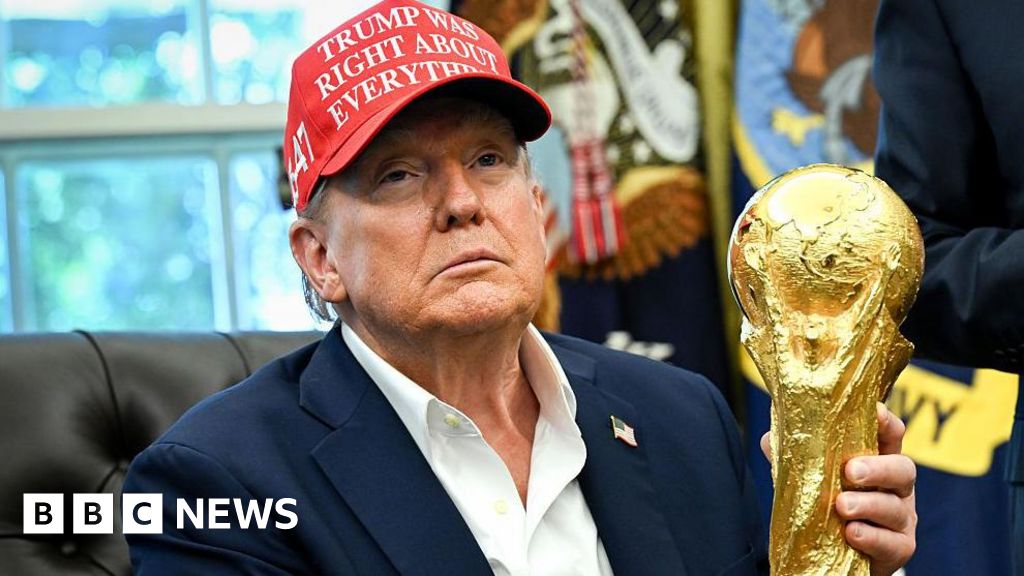
The Trump administration will waive the $15,000 visa bond for World Cup fans from 50 countries who hold valid match tickets, easing a major entry hurdle ahead of the tournament. Players and coaches were already exempt, while Iran and Haiti remain barred and Ivory Coast and Senegal still face partial restrictions under the travel ban. The policy shift is supportive for travel flows into the 2026 World Cup but is unlikely to have broad market impact.
The immediate market effect is less about airlines or hotels and more about removing a high-friction barrier that would have selectively suppressed demand from higher-income, long-haul visitors. That helps premium hospitality, inbound airfare, and event-adjacent spending, but the bigger second-order benefit is to the booking curve: when entry risk falls, travelers are more willing to commit early, which supports yields for transatlantic carriers and leisure operators into the tournament window. The constraint, however, is that the policy change is only partial and may still leave a meaningful pool of fans exposed to screening, social-media review, and residual ban risk. That creates an uneven demand distribution: countries with qualified teams and clean visa optics should see the strongest rebound, while adjacent source markets may still defer bookings until they get clearer signals. In practice, that favors brands and channels that can sell late-cycle inventory rather than operators reliant on early group commitments. The contrarian issue is that the headline sounds more stimulative than it is because the event is large but geographically dispersed across three hosts and already partially sold through. So the trade is not a broad-based “World Cup boom” but a modest reduction in downside to inbound demand and last-minute cancellation risk. The best expression is via short-dated options on the most exposed U.S. leisure names or airlines, because the upside is incremental while the downside is capped if broader immigration optics deteriorate again before travel dates.
AI-powered research, real-time alerts, and portfolio analytics for institutional investors.
Request DemoOverall Sentiment
neutral
Sentiment Score
0.10
