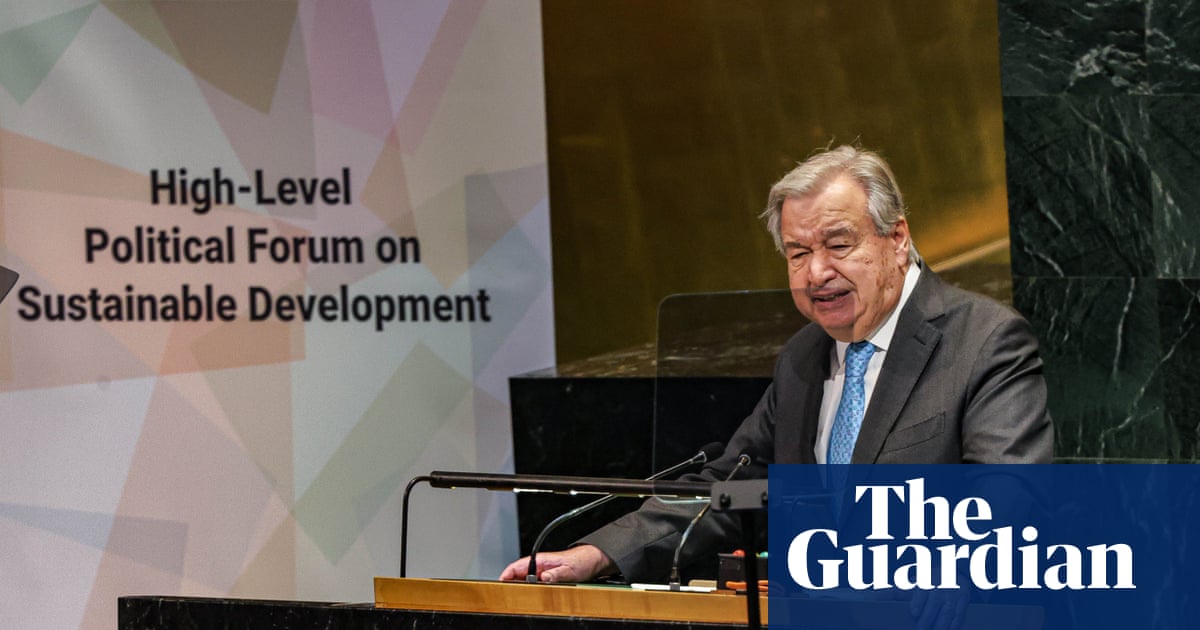
UN Secretary-General António Guterres, supported by an IRENA report, asserts that renewable energy is now economically superior to fossil fuels, with solar 41% cheaper and onshore wind less than half the cost, attracting $2 trillion in investment last year compared to $800 billion for fossil fuels. This cost-competitiveness and energy security imperative are driving a global shift, urging countries to reallocate fossil fuel subsidies towards renewables in their national climate plans. However, significant hurdles remain, including persistent fossil fuel interests, rising energy demand from sectors like AI, geopolitical tensions, and critical underinvestment in grid infrastructure, which could impede the transition despite its clear economic and environmental benefits.
A structural shift in energy economics is underway, with renewable power now presenting a clear cost advantage over fossil fuels. According to an International Renewable Energy Agency report, over 90% of new renewable projects are cheaper than fossil fuel alternatives, with solar being 41% cheaper and onshore wind less than half the cost. This economic reality is reflected in capital flows, with investment in the sector reaching $2 trillion last year, significantly outpacing the $800 billion directed towards fossil fuels. The UN Secretary-General's optimistic tone underscores this transition, framing it as a solution for both energy security and economic stability, insulated from the price shocks and geopolitical turmoil associated with fossil fuels. However, significant headwinds persist that temper this outlook. Rising global energy demand, particularly from power-intensive sectors like AI data centers, poses a challenge to meeting climate targets. Furthermore, the transition faces considerable friction from entrenched fossil fuel interests in major economies, including the US, China, and India. The most critical bottleneck identified is the systemic underinvestment in grid infrastructure, where for every dollar invested in generation, only 60 cents is invested in grids, falling short of the required parity. This infrastructure gap, combined with geopolitical tensions, trade tariffs, and potential constraints on critical mineral supplies, presents material risks that could slow the pace of the transition.
AI-powered research, real-time alerts, and portfolio analytics for institutional investors.
Request DemoOverall Sentiment
strongly positive
Sentiment Score
0.75
