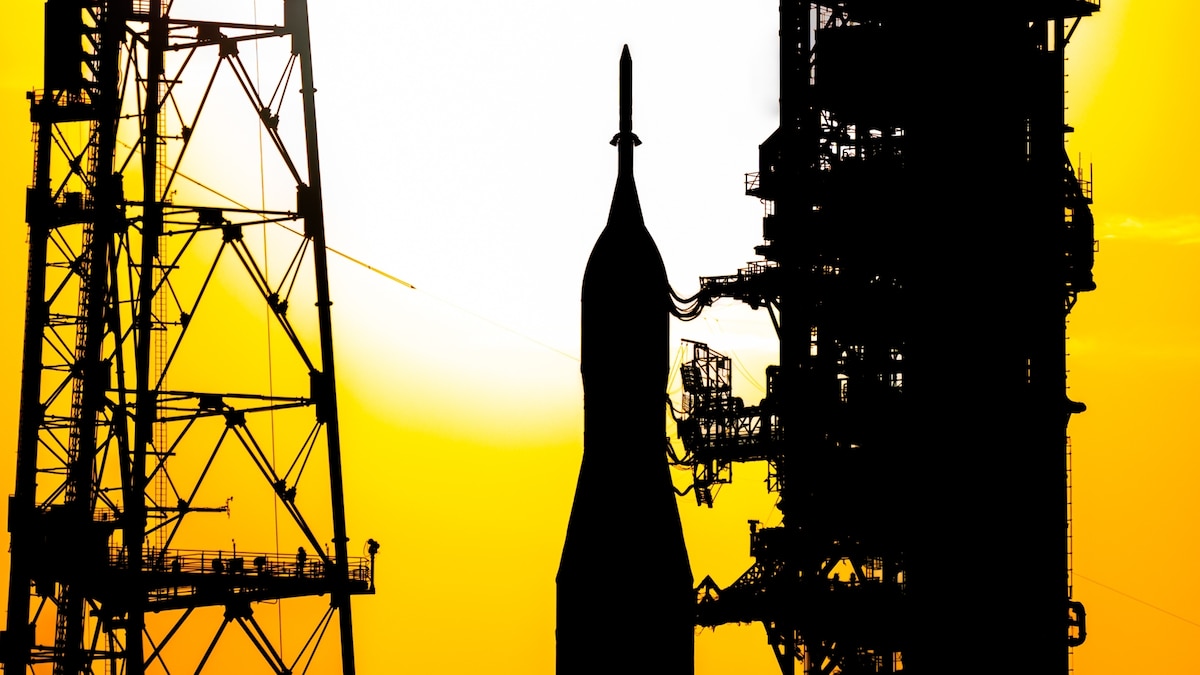
A wet dress rehearsal for NASA’s crewed Artemis II was aborted after recurring liquid hydrogen leaks and other technical issues, pushing the earliest launch to March 6, 2026. The Space Launch System relies on cryogenic liquid hydrogen and heritage RS-25 shuttle engines (three refurbished, one new), a configuration mandated by Congress in 2010; the NASA OIG estimates SLS costs have reached roughly $4.2 billion per launch. NASA plans pad-level inspections and repairs using procedures developed during Artemis I to avoid rolling the rocket back, then must complete a second rehearsal before flight clearance.
Market structure: Delays and recurring liquid‑hydrogen leaks make commercial, reusable launch alternatives relatively more attractive—beneficiaries include SpaceX (competitive advantage, though private) and diversified defense primes with commercial launch exposure. Public winners: LMT, NOC and RTX (defense backlog and NASA program diversification); primary losers are Boeing (BA) and narrow suppliers whose revenues are concentrated on SLS cryogenics or RS‑25 maintenance. The $4.2B per‑launch cost cited raises fiscal strain risk on other discretionary NASA/DoD programs and increases political scrutiny of future funding allocations.
Risk assessment: Near‑term (days–weeks) risk centers on further wet dress rehearsal failures and schedule slips around the March 6, 2026 earliest launch; medium term (months) risk is operational failure or another rollback requiring pad repairs; long term (years) risk is program de‑scoping or pivot to commercial providers if costs continue >$4B/launch. Tail risks include a high‑profile in‑flight failure that triggers congressional hearings and reprioritization of US space budgets; hidden dependencies include a small set of cryogenic seal/engine vendors and limited pad‑side repair capability.
Trade implications: Favor 6–12 month tactical longs in defense primes with diversified revenue (LMT, NOC, RTX) and LHX (1–3% weights) while trimming single‑program suppliers; initiate a modest tactical short or put position on BA (1–2% exposure) given SLS reputational and program execution risk. Use options: buy 3–6 month BA puts 5–10% OTM and sell LMT 6–9 month call spreads to finance; rotate into ITA (A&D ETF) on any pullback >5% as a defensive sector hedge.
Contrarian angles: Consensus may overreact by assuming SLS is doomed—political support and sunk cost mean funding is unlikely to be cancelled absent a catastrophic failure; this caps downside for large primes. If NASA completes a successful second wet dress rehearsal within 6–8 weeks, expect a relief rally in BA/LMT; conversely, a missed March 31, 2026 milestone should be treated as a trigger to add to short/put exposure.
AI-powered research, real-time alerts, and portfolio analytics for institutional investors.
Request DemoOverall Sentiment
moderately negative
Sentiment Score
-0.30
