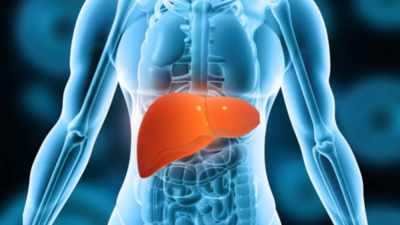
A significant medical breakthrough saw the first successful transplant of a genetically engineered pig liver into a living human, a 71-year-old cancer patient, demonstrating the viability of xenotransplantation. The gene-edited organ initially functioned effectively, performing vital metabolic processes for over a month. Although the patient ultimately died after 171 days due to complications, this development validates the potential of advanced gene-editing technologies in addressing critical organ shortages and signals substantial long-term market opportunities for biotech firms specializing in organ engineering and xenotransplantation solutions.
In an incredible leap for medical science and organ transplantation, doctors have successfully transplanted a genetically engineered pig liver into a living human for the very first time. This historic procedure could change the future of liver transplants, organ shortages, and xenotransplantation (animal-to-human organ transplants) forever. The patient, a 71-year-old man with liver cancer that couldnât be treated through normal surgery, received the modified pig liver as an auxiliary organ â meaning it worked alongside his own liver. The findings of the study has been published in Journal of Hepatology. Unknown Myths About Liver Disease Busted What exactly happened? Scientists used cutting-edge gene-editing technology to modify 10 genes in the pig liver. These edits helped the organ work better inside a human body â reducing immune rejection, improving blood clotting, and supporting metabolism. The transplanted pig liver began functioning right away. It produced bile, processed toxins, and even created important blood-clotting proteins, showing that it was truly working like a human liver. For over a month, the patientâs condition remained stable, with no major infection or organ failure. The challenges and the setback By day 38, complications appeared. The patient developed xenotransplantation-associated thrombotic microangiopathy (xTMA) â a rare immune response causing small blood clots in vessels. Doctors treated him with eculizumab and plasma exchange, successfully stabilizing him for a time. Unfortunately, after several months, internal bleeding led to his death on day 171 post-surgery. Even though he didnât survive long-term, this case still marks a historic medical first and offers valuable insight for future xenotransplants. Why this breakthrough matters This is the first time ever that a genetically engineered pig liver has been successfully transplanted into a living human, not just a brain-dead donor. Itâs a big deal because it shows pig organs can: - Survive and function inside a human body - Support vital metabolic processes like bile secretion and blood protein production - Potentially serve as bridge therapy for people waiting for human liver transplants For thousands of patients worldwide who die waiting for organ donations, this breakthrough could one day save countless lives. The first successful transplant of a genetically engineered pig liver into a living human, a 71-year-old patient, represents a historic medical milestone in xenotransplantation. The 10-gene modified auxiliary organ demonstrated immediate functionality, producing bile, processing toxins, and creating clotting proteins, maintaining patient stability for over a month. This initial success confirms the viability of advanced gene-editing technology for cross-species organ integration. However, the patient developed xenotransplantation-associated thrombotic microangiopathy (xTMA) on day 38, ultimately leading to death from internal bleeding on day 171. Despite this clinical setback, the procedure provided crucial insights, proving pig organs can survive and support vital metabolic processes within a human. This development, characterized by a 'moderately positive' sentiment and 'optimistic' tone, highlights substantial long-term opportunities. This breakthrough, classified under 'Healthcare & Biotech' and 'Technology & Innovation' themes, validates the significant potential of advanced gene-editing technologies in addressing critical organ shortages. It signals considerable market opportunities for firms specializing in organ engineering and xenotransplantation solutions, as indicated by a market impact score of 0.7.
AI-powered research, real-time alerts, and portfolio analytics for institutional investors.
Request DemoOverall Sentiment
moderately positive
Sentiment Score
0.50
