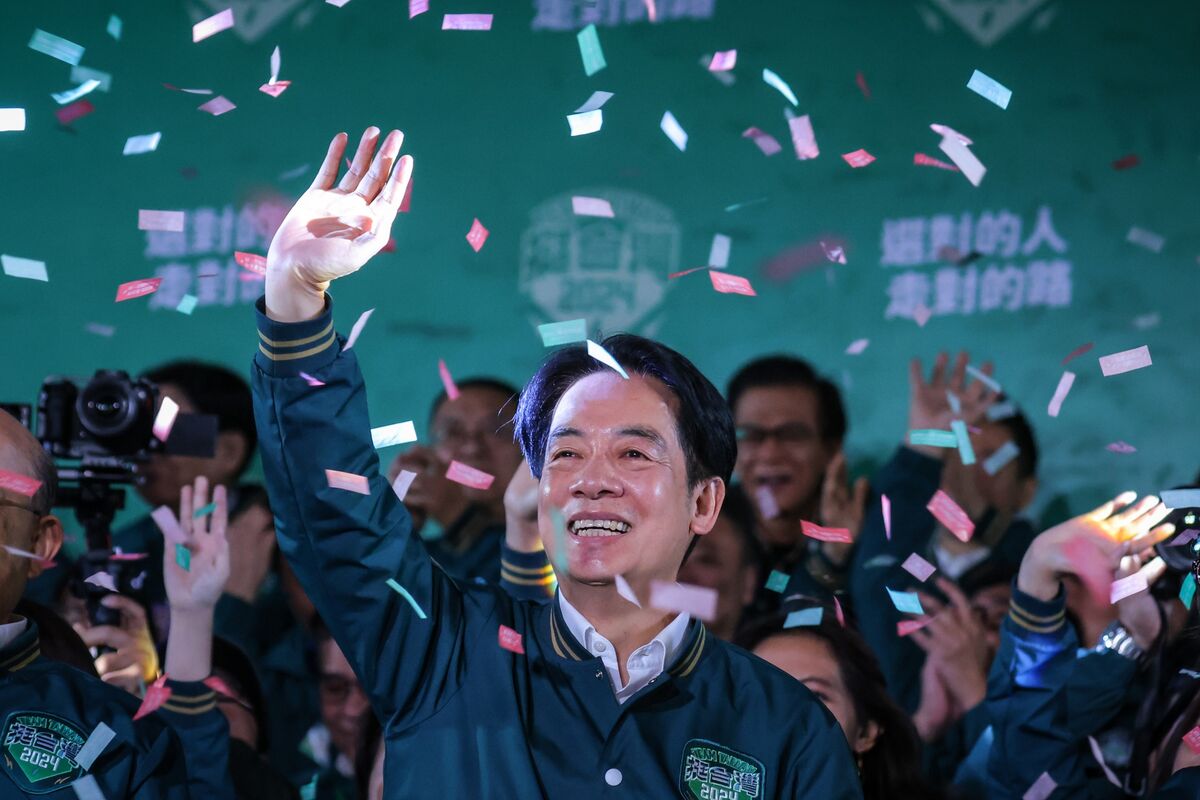
Taiwan's unprecedented recall elections, initiated by President Lai Ching-te's Democratic Progressive Party (DPP) to unseat opposition lawmakers, faced an initial setback as all 24 targeted legislators survived the July 26 vote. The outcome of the remaining seven recall votes on August 23 is pivotal, as the successful removal of at least six would enable the DPP to narrowly regain legislative control from the opposition, significantly impacting Taiwan's domestic political landscape and the ruling party's ability to govern.
Taiwan's domestic political landscape faces heightened uncertainty following an initial, unsuccessful recall vote on July 26, initiated by President Lai Ching-te's Democratic Progressive Party (DPP) to unseat opposition lawmakers. All 24 targeted opposition legislators retained their seats, preserving the opposition's current legislative majority and representing a significant setback for the ruling party. The political balance now hinges on a second recall vote scheduled for August 23 targeting seven additional lawmakers. The successful recall of at least six of these seven members is the narrow path required for the DPP to potentially regain control of the assembly. A failure to meet this threshold would likely entrench legislative gridlock and impede the Lai administration's policy agenda, whereas a successful recall could empower the ruling party. This internal political struggle, noted as being opposed by China, adds a layer of geopolitical complexity, as any shift in Taiwan's power structure is scrutinized for its potential impact on cross-strait relations.
AI-powered research, real-time alerts, and portfolio analytics for institutional investors.
Request DemoOverall Sentiment
neutral
Sentiment Score
0.00
