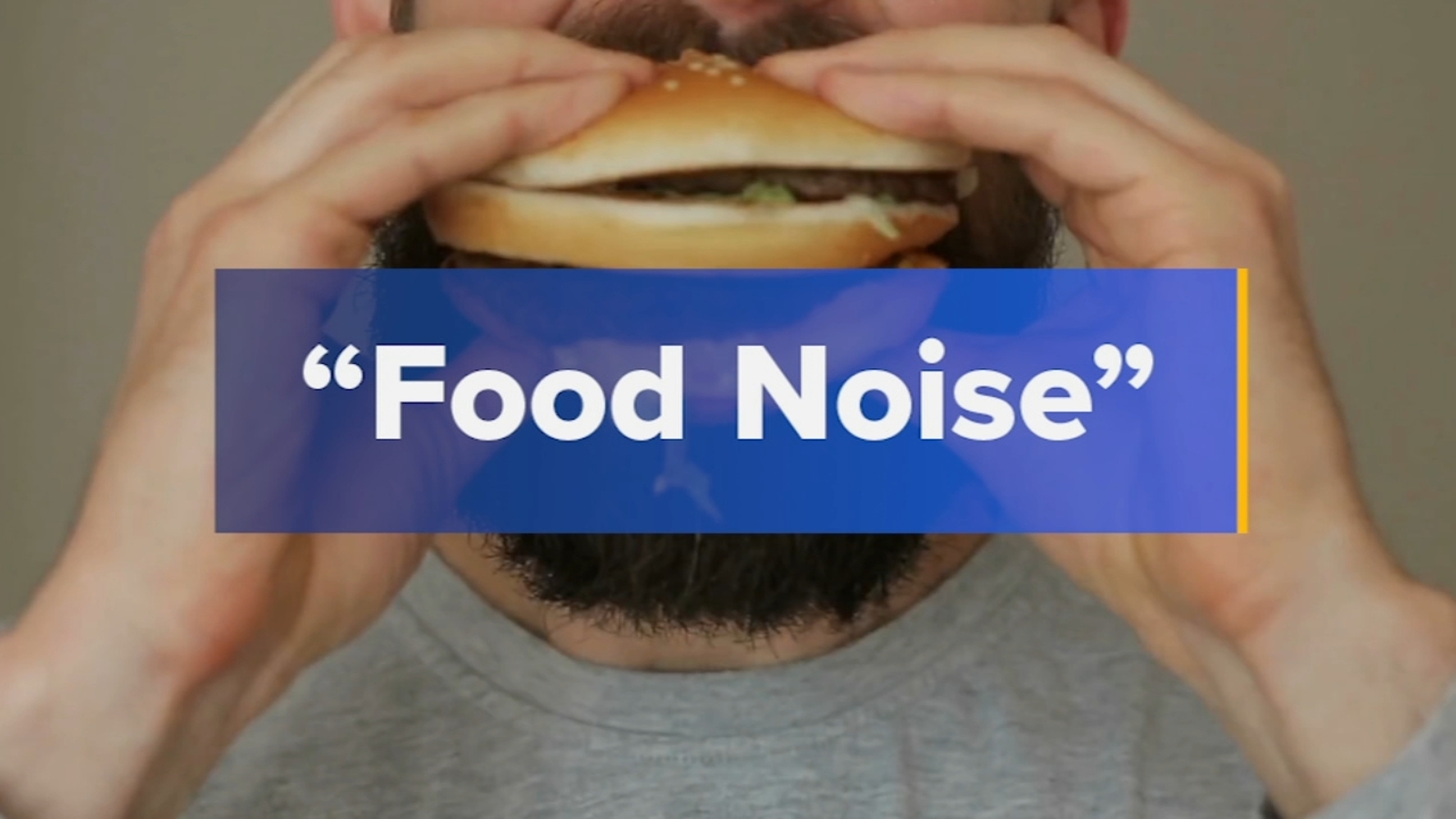
Weekly GLP-1 injectable drugs are reported to reduce appetite and dampen persistent preoccupation with food ('food noise'), stabilizing blood sugar and enabling healthier habits; clinicians note they can be combined with bariatric surgery for very high-BMI patients. The piece highlights mechanism- and patient-behavior effects rather than new clinical trial or commercial data, implying expanding demand potential for the GLP-1 class and related weight-loss services but no immediate market-moving information.
Market structure: GLP-1 injectables materially reallocate demand from calorie-based consumption to pharmaceutical spending; clear winners are large GLP-1 innovators (Novo Nordisk NVO, Eli Lilly LLY) and adjunct bariatric device/surgery names (Apollo Endosurgery APEN), while broad restaurant and calorie-centric CPG exposure (McDonald's MCD, Starbucks SBUX, Kraft Heinz KHC) face secular revenue pressure. Pricing power accrues to leading molecule originators in the 12–36 month window as supply constraints and formulary positioning allow premium pricing; expect mixed margin outcomes as manufacturing scales. Net demand shifts will modestly compress food service volumes and potentially reduce certain commodity demand over years, but near-term impact on agricultural commodities and FX will be immaterial (<1% demand change globally).
Risk assessment: Tail risks include regulatory safety warnings or coverage denials that could erase >30–50% of incremental demand in 3–12 months, and manufacturing shortfalls that create temporary scarcity and price spikes. Immediate (days) effects are sentiment-driven moves in biotech/pharma; short-term (weeks–months) driven by supply guidance and insurer coverage decisions; long-term (years) driven by competition, generics/biosimilars and surgical adoption. Hidden dependencies: adherence rates, off-label use, and insurer copay policy which can flip economics quickly. Key catalysts: Phase III/label updates, payer coverage announcements, and quarterly sales cadence over next 3–9 months.
Trade implications: Favor concentrated long in NVO and LLY for 6–18 month appreciation driven by continuing uptake; add selective exposure to APEN for surgical upside. Pair trades: long leaders (NVO/LLY) vs short restaurant/CPG (MCD/KHC) to capture secular share shift. Use options to express timing — buy 6–12 month call spreads on NVO/LLY to limit downside, and long-dated LEAPs on APEN for convexity as procedures rise.
Contrarian angles: Consensus underestimates payer resistance and potential rebound in discretionary food consumption if patients discontinue therapy (weight regain), creating cyclic demand — this suggests upside volatility and risk of overshoot on both directions. Historical parallels: rapid adoption like statins then margin erosion from generics in 5–10 years; expect similar long-term de-rating for originators as competition arrives. Unintended consequences include increased demand for combination surgical+drug regimens benefiting device makers, and reputational/regulatory backlash that could create buying opportunities on sharp sell-offs.
AI-powered research, real-time alerts, and portfolio analytics for institutional investors.
Request DemoOverall Sentiment
mildly positive
Sentiment Score
0.35
