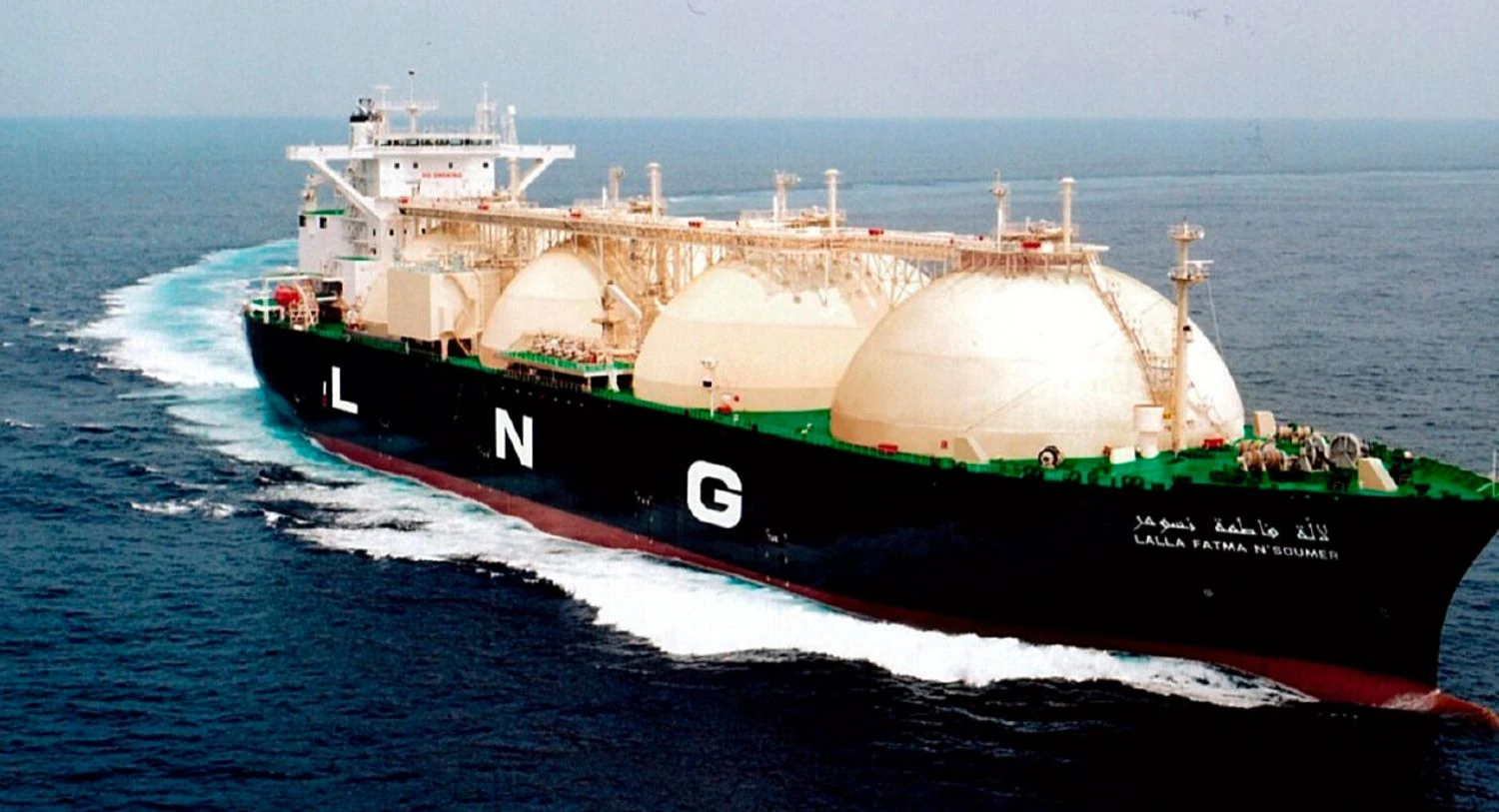
Within 10 days LNG exports from the Persian Gulf risk collapsing as remaining tankers finish deliveries, threatening a global gas crisis; Qatar supplies ~20% of world LNG and attacks on Ras Laffan will keep ~17% of Qatar's capacity offline for 3–5 years with force majeure possible. Pakistan — which sourced ~99% of its LNG from Qatar — has terminal output reduced to one-sixth and may exhaust supplies by month-end, forcing fuelswitches, rationing and more expensive spot purchases. Expect sharp upside pressure on Asian and European gas prices, intensified competition for US/other supply, and near-term fuel switching to coal or fuel oil in vulnerable markets.
Immediate market mechanics will be dominated by a liquidity squeeze in the spot LNG pool and a steep term-structure re-steepen. With limited short-term rerouting capacity and constrained floating storage, premium benchmarks (JKM/TTF) can gap higher much faster than Henry Hub, creating a multi-basis opportunity between US suppliers and Asian/European buyers; expect stress to concentrate inside 2–6 weeks as last en-route cargos are consumed and spot competition intensifies.
Second-order effects extend well beyond power generation: nitrogen fertilizer margins and merchant ammonia plants are first in line to curtail output, which would push agricultural commodity price volatility higher and force EM importers into FX and sovereign stress. Concurrently, charter rates and utilisation for LNG carriers/FSRUs will spike, accelerating capex and M&A optionality among owners with available hulls — a structural demand shock for shipping that can persist for quarters if repair/insurance timelines lengthen.
Key catalysts and tail risks are asymmetric by horizon. In days–weeks, insurance war-risk premiums, port closures and announced force majeure events will drive price moves; in months–years, restoration of export capacity, diplomatic de-escalation, or rapid US/Australia export ramp-up can unwind premiums. Probabilities are non-linear: a credible diplomatic corridor or quick repair reduces spot premia materially, while protracted infrastructure damage or expanded trade restrictions locks in a multi-year risk premium and accelerates fuel switching to coal and fuel oil.
AI-powered research, real-time alerts, and portfolio analytics for institutional investors.
Overall Sentiment
strongly negative
Sentiment Score
-0.85
