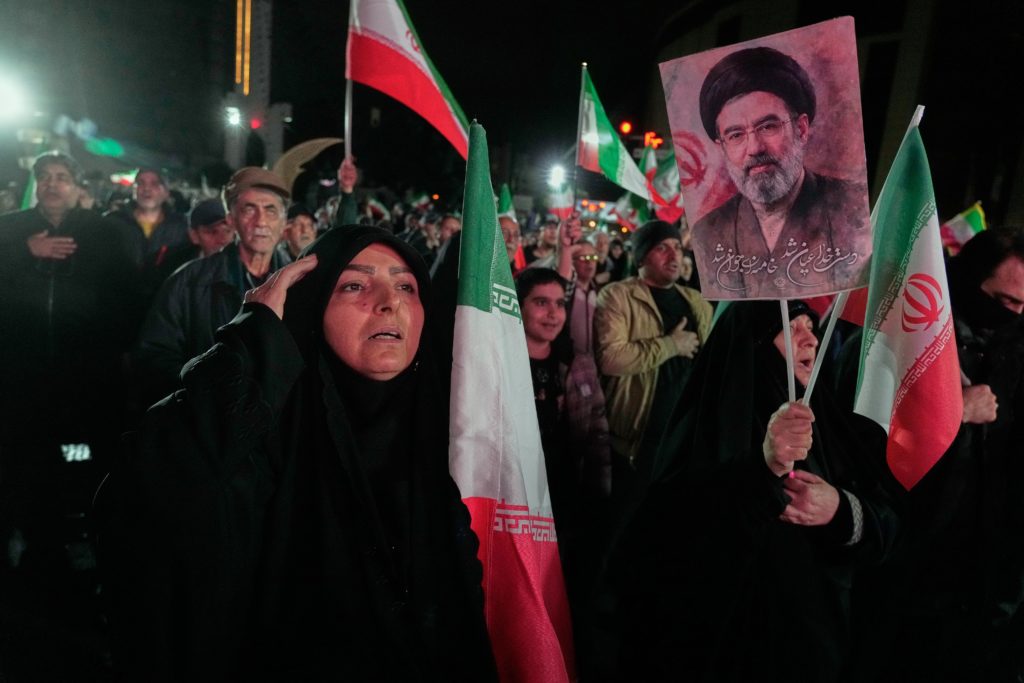
Iran dismissed a U.S. 15-point proposal to pause the Middle East war and issued its own counterproposal while launching further attacks on Israel and Gulf Arab countries; it asserted sovereignty over the Strait of Hormuz (roughly 20% of global oil shipments). Reported death tolls have risen to >1,500 in Iran, ~1,100 in Lebanon, 16 in Israel and 13 U.S. military members, with millions displaced; Iran's foreign minister said no negotiations are planned. The escalation raises heightened risk-off sentiment and material short-term downside risk to energy supply and global markets.
A sustained maximalist diplomatic posture by a regional protagonist combined with claims over a major maritime chokepoint will keep risk premia elevated in energy, shipping and defense for months rather than days. Practically, expect freight and insurance cost shocks to manifest within 48–72 hours and persist for 3–9 months: rerouting around longer passages typically adds 5–10 additional sailing days for VLCCs/AFRAMAXes and can lift voyage costs 20–50%, translating into a $1–4/bbl effective supply shock on marginal barrels moved by tanker markets.
Second-order winners are service providers that capture recurring security spend (defense primes, private maritime security and specialty insurers), plus E&P names with low cash-cost barrels and high operating leverage; losers are refiners/consumers in import-dependent regions, short-duration shipping equities and EM sovereign debt with shipping-linked FX receipts. Supply-chain impacts include refinery feedstock reshuffling (heavier crude moves), container delays that raise inventories and working capital needs, and a re-pricing of maritime war-risk in hull & P&I pools that could reduce capacity within 1–2 quarters.
Key catalysts: short-term — specific tanker/port incidents or insurance market notices (days); medium-term — back-channel diplomacy or emergency SPR releases (weeks–months); long-term — durable realignment of trade routes and sanctions architecture (quarters–years). The primary reversal mechanism is rapid, verifiable de-escalation coupled with coordinated oil releases and underwriting assurances from major reinsurers; absent that, elevated volatility becomes the base case through at least the next 3–6 months.
AI-powered research, real-time alerts, and portfolio analytics for institutional investors.
Request DemoOverall Sentiment
strongly negative
Sentiment Score
-0.85
