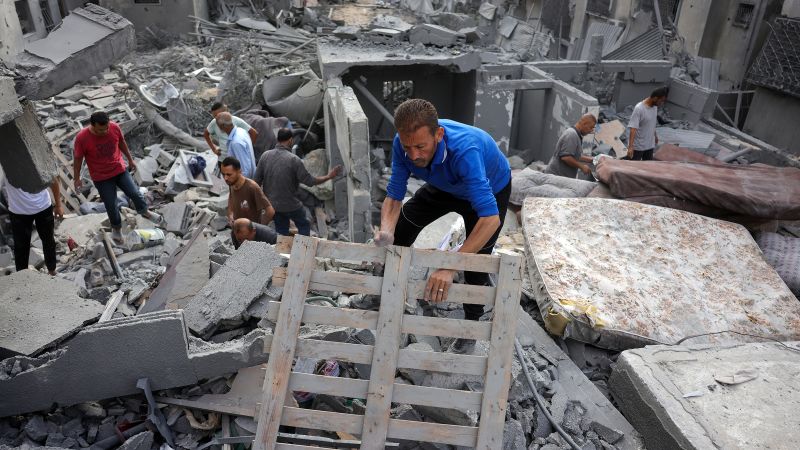
A US-brokered ceasefire between Israel and Iran is holding, redirecting immediate regional focus back to the protracted conflict in Gaza, where intense Israeli operations and a dire humanitarian crisis continue. While Israeli leadership and hostage families are pressing to leverage the de-escalation with Iran to secure remaining hostages and conclude the Gaza war, Hamas's refusal to disarm complicates renewed Qatari-led truce negotiations. This pivot indicates a consolidation of geopolitical risk to the immediate Gaza theater, underscoring persistent localized instability and humanitarian concerns despite a broader reduction in regional tensions.
The US-brokered ceasefire between Israel and Iran marks a significant de-escalation of a wider regional conflict, redirecting geopolitical focus and military resources back to the protracted war in Gaza. While this reduces the immediate tail risk of a multi-front war involving major powers, it intensifies the localized conflict, as confirmed by the Israeli Defense Forces' stated intent to shift its focus back to dismantling Hamas and securing the remaining hostages. The humanitarian situation in Gaza remains critical, with the death toll exceeding 55,000 and the United Nations warning of a man-made famine and potential war crimes, creating significant headline risk and a basis for international legal and diplomatic pressure. Efforts to secure a truce in Gaza, mediated by Qatar, are ongoing but face substantial hurdles, primarily Hamas's refusal to disarm, a key Israeli condition. The low market impact score (0.3) suggests markets are reacting more to the broader Iran-Israel de-escalation than the persistent Gaza crisis, while the strongly negative sentiment score (-0.6) accurately reflects the severe human toll and unresolved nature of the conflict.
AI-powered research, real-time alerts, and portfolio analytics for institutional investors.
Request DemoOverall Sentiment
strongly negative
Sentiment Score
-0.60
