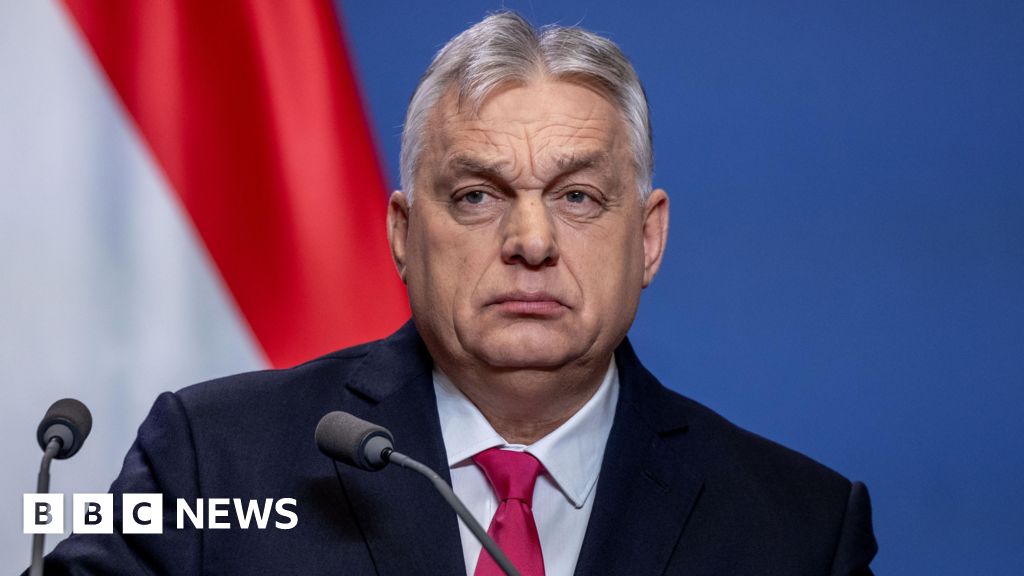
Hungarian Prime Minister Viktor Orbán accused Ukraine of imposing an 'oil blockade' by delaying reopening of the Druzhba pipeline, leaving Russian oil shipments to Hungary and Slovakia cut off since Jan. 27; Reuters reports Russia's operator cut intake by roughly 250,000 barrels per day after attacks. Orbán has deployed soldiers and police to energy facilities, banned drones along the Ukraine border and vetoed a €90bn EU loan to Ukraine, while the European Commission says the Adria pipeline is supplying non‑Russian crude with sufficient capacity — indicating regional supply risk and political escalation that could affect European energy flows ahead of Hungary's April elections.
Market structure: The immediate winners are seaborne crude suppliers and operators able to route non‑Russian barrels into Central Europe (Adria pipeline operators, North Sea/Med suppliers); losers are Hungary/Slovakia incumbents dependent on Druzhba and domestically exposed firms. A ~250k bpd reduction tightens European crude availability short-term, likely widening Urals/Brent spreads and increasing seaborne freight demand by mid‑single digits until rerouting completes.
Risk assessment: Tail risks include deliberate escalation (sabotage of alternate routes), cascading electricity cuts, or EU political fragmentation from Hungary’s veto — each could spike regional risk premia and energy prices. Immediate (days) = volatility and basis dislocations; short (weeks–months) = rerouting and margin shifts; long (quarters) = contractual supply rebalancing and capex decisions for alternative infrastructure.
Trade implications: Favor directional oil exposure (Brent) and selected EU energy majors with refining/integrated exposure while hedging regional political risk. FX and sovereign spreads may widen for Hungary (weak HUF, wider CDS); central European pipeline beneficiaries could gain market share at the expense of Russian seaborne term contracts. Options volatility on Brent/European power will remain elevated — use calibrated spreads, not naked directional gamma.
Contrarian angles: Markets may underprice the political tail — Adria capacity claims are plausible but operational bottlenecks (storage, shipping, refinery turnarounds) can sustain a premium for 1–3 months. Conversely, if elections reduce rhetoric and Druzhba reopens within 30 days, crude and regional stress should mean‑revert quickly; nimble, time‑boxed trades will outperform buy‑and‑hold assumptions.
AI-powered research, real-time alerts, and portfolio analytics for institutional investors.
Request DemoOverall Sentiment
moderately negative
Sentiment Score
-0.35
