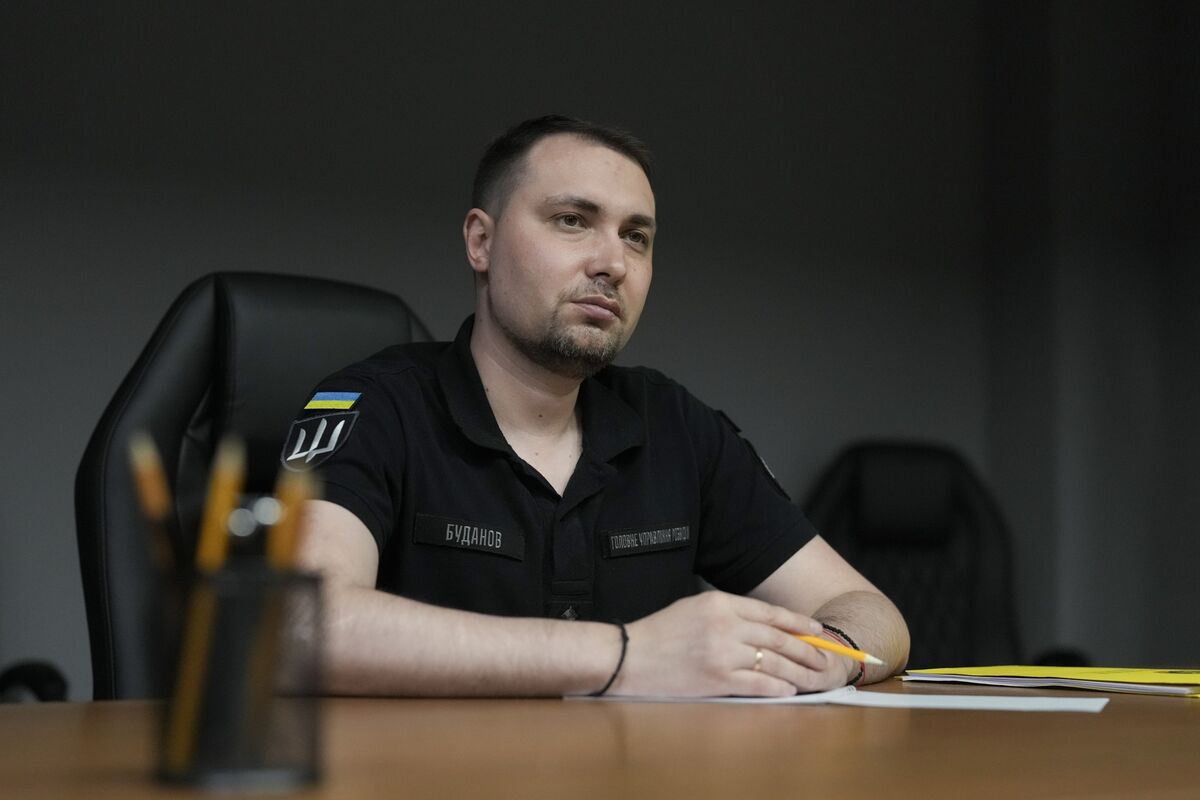
Ukraine's military intelligence chief, Kyrylo Budanov, reports North Korea is now supplying 40% of Russia's ammunition for the war in Ukraine, alongside ballistic missiles and artillery systems, signaling a deepening military partnership. In return, Russia is providing money and technology to Pyongyang, which eases North Korea's international isolation. This highlights Russia's increasing reliance on external arms supplies and the evolving geopolitical alignments impacting global security dynamics.
According to Ukrainian military intelligence, North Korea is now a critical military supplier for Russia, providing up to 40% of its ammunition in addition to ballistic missiles and artillery systems. This development underscores the significant strain on Russia's domestic defense production capabilities and the effectiveness of international sanctions in degrading its industrial base, forcing reliance on another heavily sanctioned state. The exchange, in which Russia provides money and technology to Pyongyang, signals a deepening strategic alignment that serves to alleviate North Korea's international isolation and financially bolster its regime. This symbiotic relationship highlights the emergence of a parallel economic and military bloc among sanctioned nations, posing a long-term challenge to the Western-led global order and suggesting the conflict in Ukraine may be sustained for longer than anticipated due to these external supply lines.
AI-powered research, real-time alerts, and portfolio analytics for institutional investors.
Request DemoOverall Sentiment
mildly negative
Sentiment Score
-0.30
