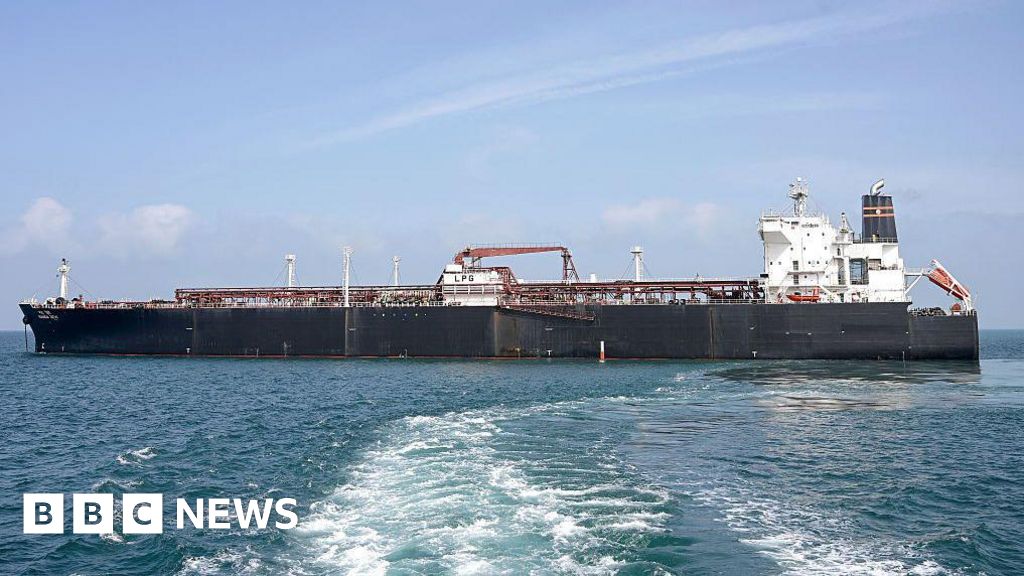
Trump set a public deadline to force Iran to reopen the Strait of Hormuz by 20:00 EDT, while several Asian countries (Philippines, Pakistan, India, China, Malaysia, Japan) have secured bilateral assurances allowing some flagged vessels to transit the strait. The route handles roughly 20% of global energy shipments, and the Philippines imports 98% of its oil from the Middle East, so these arrangements materially reduce near-term supply disruption risk but leave uncertainty over scope, duration and potential payments. Implication: continued upside pressure on oil prices and supply-chain volatility until assurances are clarified and military activity stabilizes.
The diplomatic patchwork of bilateral guarantees is creating a de‑facto segmentation of maritime “insurance” by flag and buyer, which will redistribute both cash flows and legal risk across the shipping value chain over weeks to months. Expect immediate upward pressure on spot tanker and LNG charter rates (VLCC/Suezmax) and on marine war‑risk/ kidnap & ransom premia as cargo owners pay for corridor access or reflagging; a 20–40% rise in short‑term premiums is plausible within 30–90 days given precedent in past Gulf crises.
A second‑order beneficiary set is specialty marine insurers and reinsurers who can reprice risk faster than broad P&C carriers; they should see revenue lift ahead of loss accruals, creating a 3–6 month earnings lead time before broader carriers reflect the change. Conversely, freight‑sensitive parts of the supply chain (container lines, just‑in‑time manufacturers) face higher unit transport costs and slower turnaround, incentivizing more freight hedging and some inventory restocking by importers — an inflationary impulse for refined products and key commodities over the next 1–3 quarters.
Key reversals: a US military operation or a negotiated, verifiable multilateral corridor would collapse premiums and tankers’ rallies within days; sustained fragmentation (flag switching + tacit Iran carve‑outs) would prolong elevated costs and create persistent basis opportunities between spot and forward curves for crude, supporting storage plays and contango trades over 3–9 months.
AI-powered research, real-time alerts, and portfolio analytics for institutional investors.
Overall Sentiment
mildly negative
Sentiment Score
-0.20
