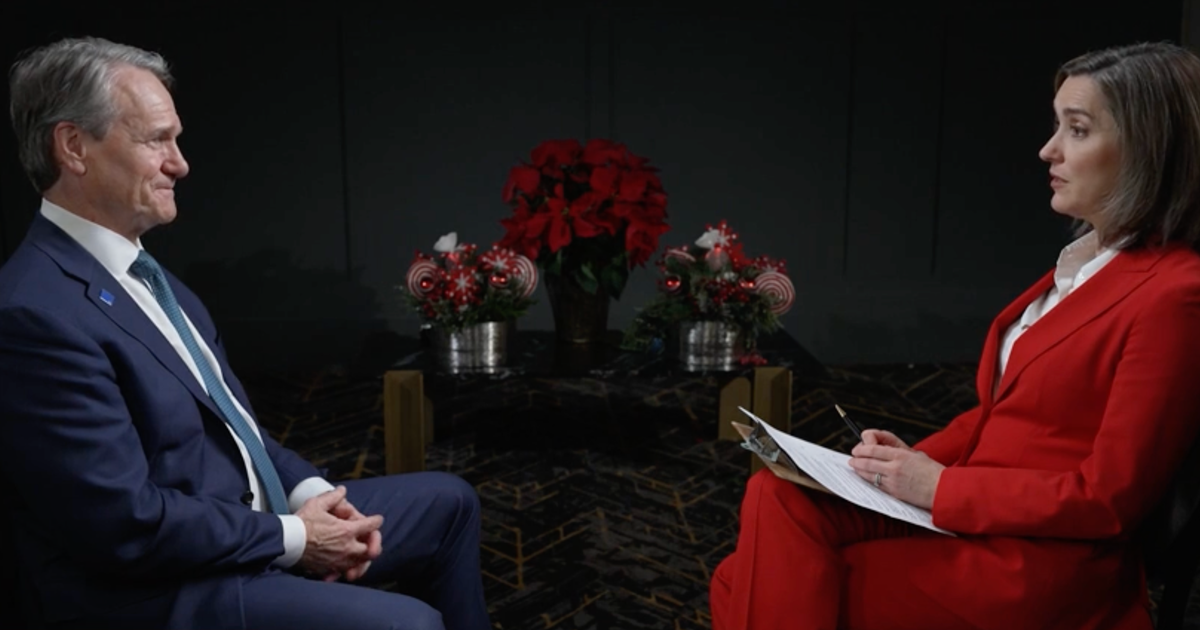
Bank of America CEO Brian Moynihan reported resilient consumer spending—holiday/Thanksgiving period volumes up roughly 4.25–4.5% year‑over‑year—with wages growing around a 3% clip and unemployment near 4.6%, and said BofA projects U.S. growth of about 2.4% for 2026. He flagged the consumer remaining the key macro risk, noted tariff tensions appear to be de‑escalating to mid‑teens levels for many trade lines while China remains a separate national‑security case, and highlighted operational deployment of AI (Erica: ~2 million daily interactions, ~20 million users) alongside concerns about labor availability for small business and a persistent housing supply shortage keeping mortgage rates elevated around 4–4.5%. Regulatory issues around AML/KYC and ESG-driven reputational risk have been tightened and clarified, and Moynihan reiterated the importance of Fed independence amid leadership turnover.
Market structure: Large diversified banks (BAC, JPM) are direct beneficiaries if consumer spending remains resilient (BofA cites +4.25% holiday card sales and wages ~3%), because scale captures fee income, small-business lending and deposit flows; regional banks and mortgage originators (ITB/homebuilder names, mortgage REITs) are relatively disadvantaged by higher long-term mortgage rates (10yr mid‑4% to 4.5%) and persistent housing supply constraints. De‑escalation of tariffs and steadier trade reduces input‑cost shock risk for industrials and retailers, improving credit quality across bank commercial portfolios. Cross‑asset: moderate disinflation expectations favor IG credit and flatten the curve — long duration partial rally if CPI undershoots; commodities and oil remain asymmetric upside tail risks from geopolitics.
Risk assessment: Tail risks include a sharp consumer retrenchment (consumer loan delinquencies spike >25bps QoQ), a major geopolitical shock (Middle East or China), or a regulatory operational shock from AML/KYC rule changes raising compliance costs >10% for banks. Immediate (days): headline-driven volatility from Fed/administration; short (weeks–months): retail sales, CPI prints and 10yr moves; long (quarters): AI-driven operating‑leverage improving ROE but requiring capital reallocation. Hidden dependency: BAC’s mortgage pipelines and deposit beta vs. wholesale funding sensitivity; catalysts: CPI/PCE prints, Fed appointments, Fannie/Freddie guarantee decisions.
Trade implications: Tactical overweight BAC vs regional bank ETF (KRE) — giant banks gain from scale, AI efficiency and diversified fee pools while regionals face credit/labor tightness. Use 3–9 month call spreads on BAC to play earnings/Fed clarity and buy short-dated puts as geopolitical protection; underweight homebuilders/REITs (ITB, VNQ) given mortgage-rate durability. Rotate 4–8% portfolio weight from mortgage/reit exposure into top-tier bank exposure if unemployment stays <5% and CPI decelerates three consecutive months.
Contrarian angles: The market may be overpricing political/regulatory risk to majors — Moynihan claims de‑escalation on ESG/debanking and concrete remediation of policy language; that suggests BAC downside from political headlines is transient. Conversely, consensus may underappreciate near‑term ROE tailwinds from AI (Erica scale: 20M users, 2M interactions/day) — a 100–200bp efficiency improvement over 12–24 months materially boosts EPS. Watch for unintended consequences: rushed AI customer‑facing rollouts could produce reputational/capital hits, and a slower‑than‑expected housing supply response would keep mortgage origination depressed longer than models assume.
AI-powered research, real-time alerts, and portfolio analytics for institutional investors.
Request DemoOverall Sentiment
mildly positive
Sentiment Score
0.25
Ticker Sentiment
