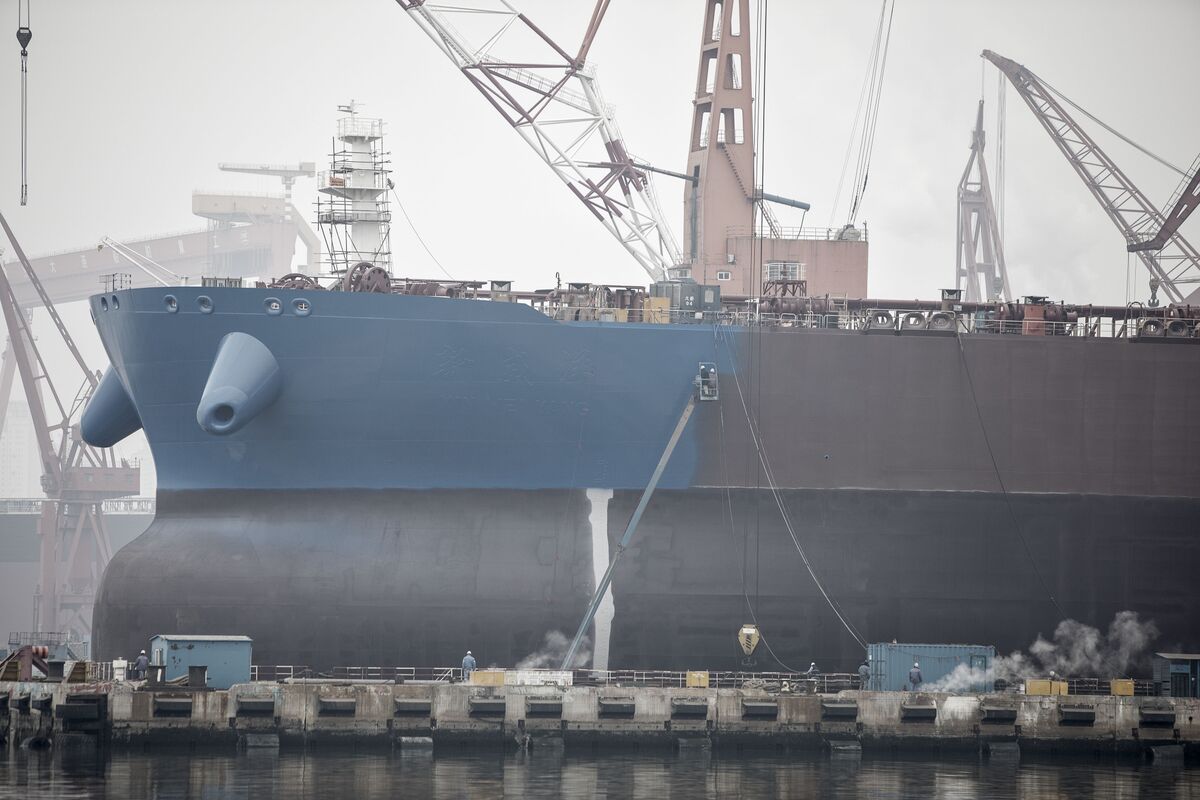
A coalition of U.S. labor unions, led by the United Steelworkers, condemned the Trump administration's decision to suspend port fees on Chinese ships, asserting that the move thwarts the revival of the domestic shipbuilding industry and perpetuates China's "predatory behavior." In a letter to U.S. Trade Representative Jamieson Greer, the unions expressed strong disappointment, arguing the decision negatively impacts the restoration of the U.S. maritime sector.
The Trump administration's decision to suspend port fees on Chinese ships has elicited a "strongly negative" sentiment (-0.75) and "strong disappointment" from a coalition of US labor unions, including the United Steelworkers. This policy, classified under "Trade Policy & Supply Chain" and "Tax & Tariffs," is viewed by unions as a direct impediment to the revitalization of the domestic shipbuilding industry.
Unions contend that this suspension facilitates China's "predatory behavior" and will result in "negative consequences" for the restoration of the US maritime sector. This highlights significant domestic opposition to specific trade exemptions, indicating potential political friction within the "Elections & Domestic Politics" theme.
While the general market impact score is moderate at 0.4, the robust negative reaction from key labor groups suggests ongoing pressure for policy reconsideration. The absence of specific company tickers implies a broader, sectoral impact rather than direct stock-specific implications, focusing on industry-wide competitive dynamics.
AI-powered research, real-time alerts, and portfolio analytics for institutional investors.
Request DemoOverall Sentiment
strongly negative
Sentiment Score
-0.75
