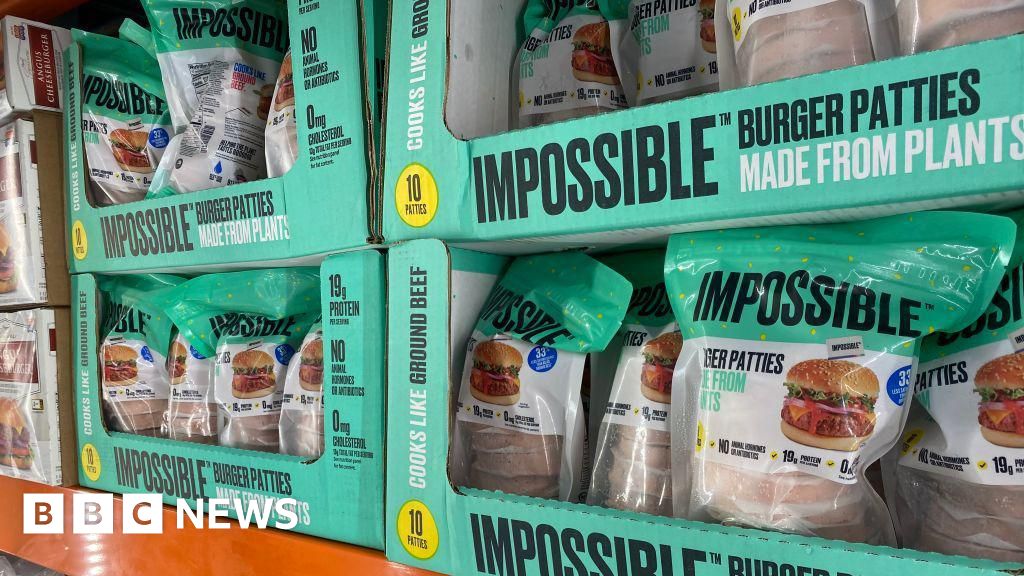
The European Parliament has voted by a 355-247 majority to ban the use of meat-related terms such as "burger" or "steak" for plant-based food products, a move championed by traditional livestock farmers who claim such labeling is misleading. While this decision is not yet law and requires further approval from the European Commission and member states, it signals potential regulatory headwinds for the rapidly expanding plant-based food industry. The proposal faces significant opposition from environmental groups, major retailers like Aldi and Lidl, and plant-based companies, who argue it would hinder market growth, confuse consumers, and impede sustainability goals.
No more veggie burgers? EU parliament votes to ban meat names for plant-based foods The European Parliament (EP) has voted to ban the use of words like "burger" or "steak" to describe their plant-based variants. The 355-247 majority vote is seen as a victory for livestock farmers who say the labels threaten their industry and livelihoods. A full ban, however, is not imminent - or even certain - as the proposal needs the backing of the European Commission - the EU's executive arm - as well as the governments of the 27 member countries to become law. The plant-based food industry has grown exponentially in recent years, with more people opting for a meat-free lifestyle. "Let's call a spade a spade," Celine Imart, the French member of the parliament who led the initiative was quoted by AFP news agency as saying about plant-based products. Marketing plant-based products using meat labels "is misleading for the consumer", the member of the conservative EPP group in the EP said. Under the proposal, other labels like, "egg yolk", "egg white" and "escalope" would be restricted to products that contain meat. The EU has already defined dairy items as products coming from the "normal mammary secretion". This includes products like milk, yogurt and cheese. Oat milk, for instance, is called an oat drink on European shelves. Greens and liberal lawmakers have criticised the now-approved EP text as "useless". "While the world is burning, the EPP has nothing better to do this week than to involve us all in a debate about sausages and schnitzel," Anna Cavazzini of Germany's Green Party was quoted by Deutsche Welle as saying. Environmentalists have said that the ban would be a setback for sustainability. The proposal has also drawn criticism from key food industry voices in Germany - the largest market for plant-based products in the EU, according to a report by the Good Food Institute of Europe. Major German supermarkets such as Aldi and Lidl, fast food joint Burger King and sausage producer Rügenwalder Mühle have pushed back against the proposal in a joint open letter. They said banning "familiar terms" would make it "more difficult for consumers to make informed decisions". German Chancellor Friedrich Merz - whose party is a key member of the EPP - fully backs the ban. "A sausage is a sausage. Sausage is not vegan," he said recently. The French meat industry has also strongly supported the idea. Back in 2020, a similar proposal was on the table but it wasn't passed. The European Parliament has voted 355-247 to prohibit the use of meat-related terms like "burger" or "steak" for plant-based products, a move largely supported by livestock farmers who claim existing labels are misleading. This initial legislative step, while not yet law, signifies a potential regulatory headwind for the rapidly expanding plant-based food industry across the EU, reflected by a "moderately negative" sentiment score of -0.5 and an "uncertain" tone. The proposal faces significant opposition from major industry players, including German retailers Aldi and Lidl, and fast-food chain Burger King (QSR), who argue it will confuse consumers and impede market development. Environmental groups also criticize the ban, citing it as a setback for sustainability efforts, particularly within Germany, which is the EU's largest market for plant-based alternatives. While the ban requires further approval from the European Commission and member states, its progression indicates increased regulatory scrutiny on food labeling and marketing practices. The "market impact score" of 0.35 suggests moderate potential disruption for companies with substantial investment in plant-based alternatives, especially given that a similar proposal failed to pass in 2020.
AI-powered research, real-time alerts, and portfolio analytics for institutional investors.
Request DemoOverall Sentiment
moderately negative
Sentiment Score
-0.50
Ticker Sentiment
