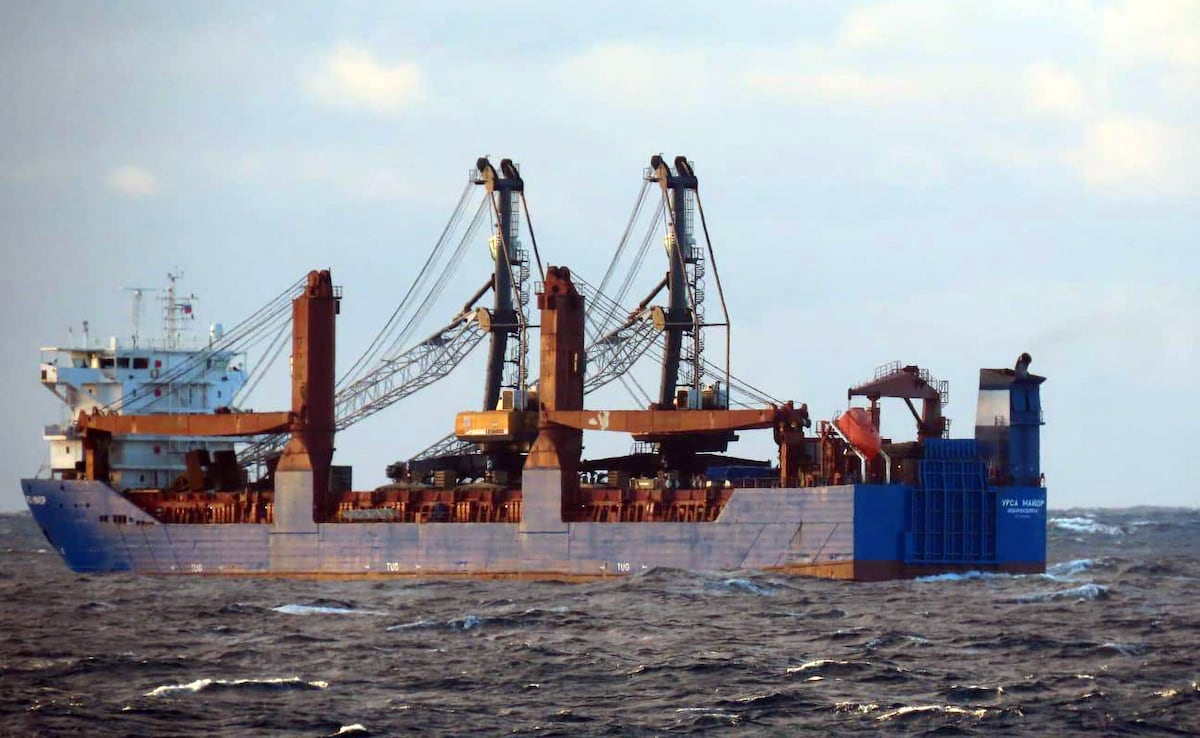
CNN reports that the Russian cargo ship Ursa Major likely carried components of two nuclear reactors, reportedly VM-4SG units, possibly destined for North Korea before sinking off Spain on 23 December 2024. The story includes allegations of a possible torpedo strike, multiple explosions, and subsequent U.S. nuclear monitoring flights, underscoring elevated geopolitical risk. If verified, the suspected transfer would be a major Russia–North Korea defense technology development with implications for regional security and sanctions enforcement.
This reads less like a one-off maritime incident and more like a stress test of the Russia–North Korea sanctions perimeter. If Moscow is willing to move sensitive naval hardware through a civilian logistics chain, the second-order effect is a higher probability of interdiction, inspection, and gray-zone retaliation across Baltic, Arctic, and Far East shipping lanes. That raises friction costs for any cargo with dual-use ambiguity, especially in routes touching Russian state-linked operators and transshipment hubs. The biggest market implication is not direct damage, but a sharper regime of screening risk. Expect longer port dwell times, more AIS scrutiny, and a wider set of insurers refusing cover on Russia-linked cargoes that cannot be cleanly documented, which should incrementally support rates for compliant tonnage while penalizing exposed operators. Over the next 1-3 months, any further evidence of military cargo interdiction or Western sabotage allegations could trigger retaliatory measures against commercial shipping, elevating geopolitical risk premia in European marine insurance and defense logistics. Contrarian take: the market may overestimate the operational impact and underestimate the signaling value. Even if the cargo story is exaggerated, the willingness of Western services to track and potentially intervene suggests the concealment game is getting harder, not easier. That tends to compress the useful life of sanctions evasion networks and forces Russia to rely more on lower-capacity, higher-cost routing, which is bearish for logistics efficiency and supportive of enforcement-heavy vendors. The cleanest setup is a relative-value trade on maritime risk: long beneficiary names with sanctioned-cargo exposure to premium pricing, short names most tied to Russian/black-market routing. The catalyst path is binary and near-term: any new seizure, search, or legal escalation should matter within days, while the structural rerating of shipping compliance and defense surveillance should play out over quarters.
AI-powered research, real-time alerts, and portfolio analytics for institutional investors.
Request DemoOverall Sentiment
moderately negative
Sentiment Score
-0.35
