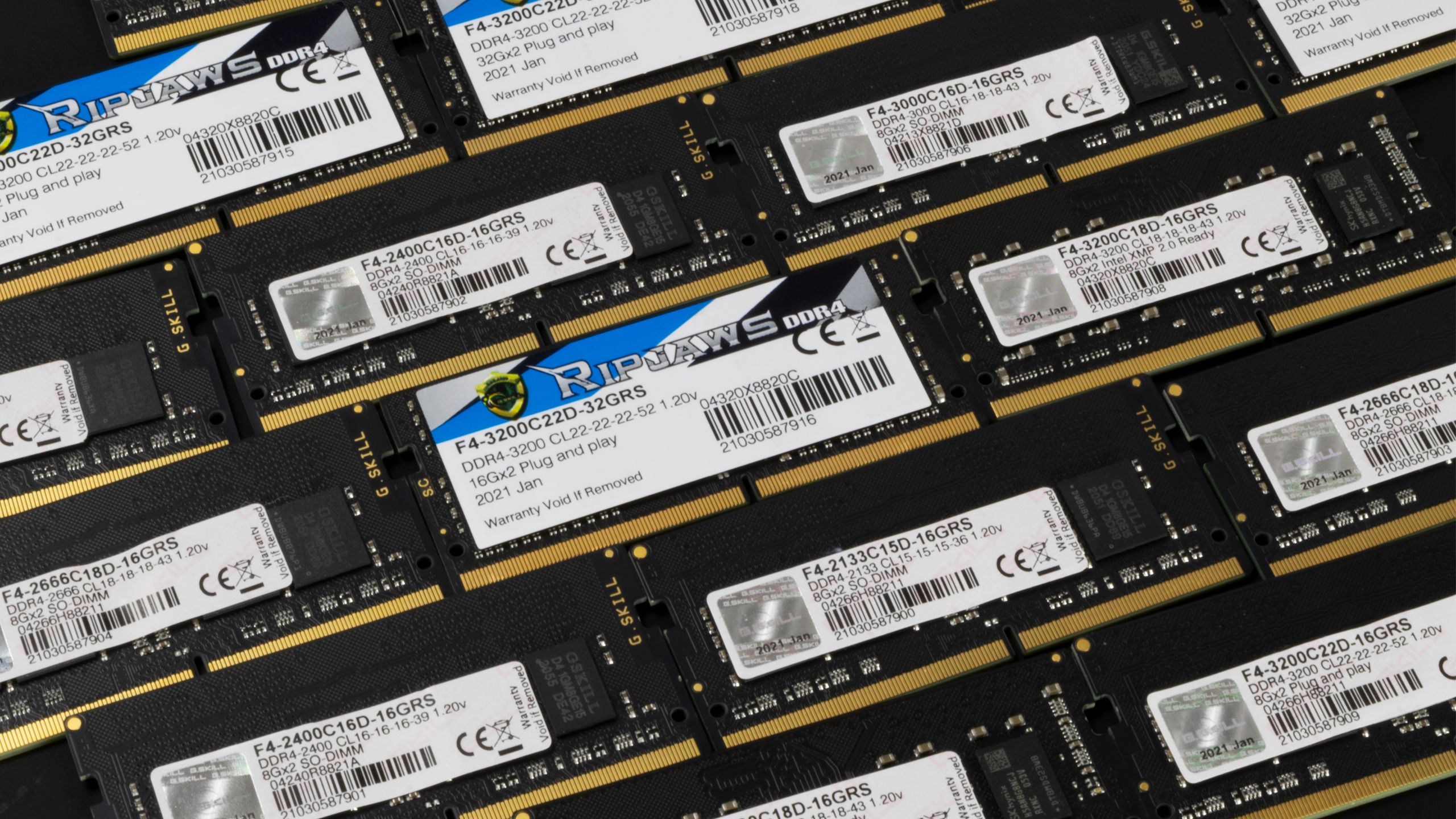
Testing of the new DDR5 HUDIMM format shows roughly a 45%-49% reduction in read, write, and copy throughput versus regular DDR5 when one 32-bit subchannel is disabled. In a single-stick setup, read speed fell from 58,913 MB/s to 32,447 MB/s and write speed from 48,800 MB/s to 25,195 MB/s, with latency largely unchanged. The format appears cheaper to manufacture because it uses fewer ICs, but the performance tradeoff is substantial and could matter for budget PC buyers.
This is less a product launch than a signal that Intel is willing to tolerate a visible performance haircut to defend platform affordability. The immediate winner is the OEM/channel ecosystem that can advertise lower bill-of-materials memory cost on entry systems, but the economic transfer is only compelling if memory remains the gating item in sub-$800 builds. Otherwise, the market will quickly view this as a downgrade disguised as innovation, and that can compress attach rates for better-capacity configs rather than expand the market. For Intel, the risk is reputational rather than near-term earnings: a technology associated with “half the bandwidth” will be hard to market into any segment where integrated graphics, light content creation, or multitasking matters. The second-order effect is that cheaper DIMMs may actually accelerate memory upsell behavior in mainstream desktops and laptops if buyers learn the difference, benefiting higher-density DRAM vendors over low-end module assemblers. In other words, the adoption path is likely bifurcated: budget prebuilts may accept it, while DIY and performance buyers reject it. The contrarian read is that the market may overestimate how broadly this matters. If HUDIMM is confined to ultra-cost-sensitive OEM SKUs, the impact on Intel’s overall platform mix and ASPs could be modest; the bigger story may be that it creates an additional segmentation lever for memory vendors rather than a true demand destroyer. The real catalyst to watch over the next 1-3 quarters is whether major PC OEMs prominently adopt it in consumer systems, because if they do, backlash and comparison shopping could force a fast reversal or a marketing rebrand toward “value” positioning. From a trading standpoint, this is a mild negative for Intel’s PC platform narrative, but not an earnings-event catalyst on its own. The setup becomes more interesting if the industry pushes HUDIMM into volume notebooks or prebuilts where performance complaints are visible in reviews, because that would pressure channel mix and raise support/returns costs. Absent that, the more durable winner is likely memory content per system rather than Intel chip sell-through.
AI-powered research, real-time alerts, and portfolio analytics for institutional investors.
Request DemoOverall Sentiment
mildly negative
Sentiment Score
-0.10
Ticker Sentiment
