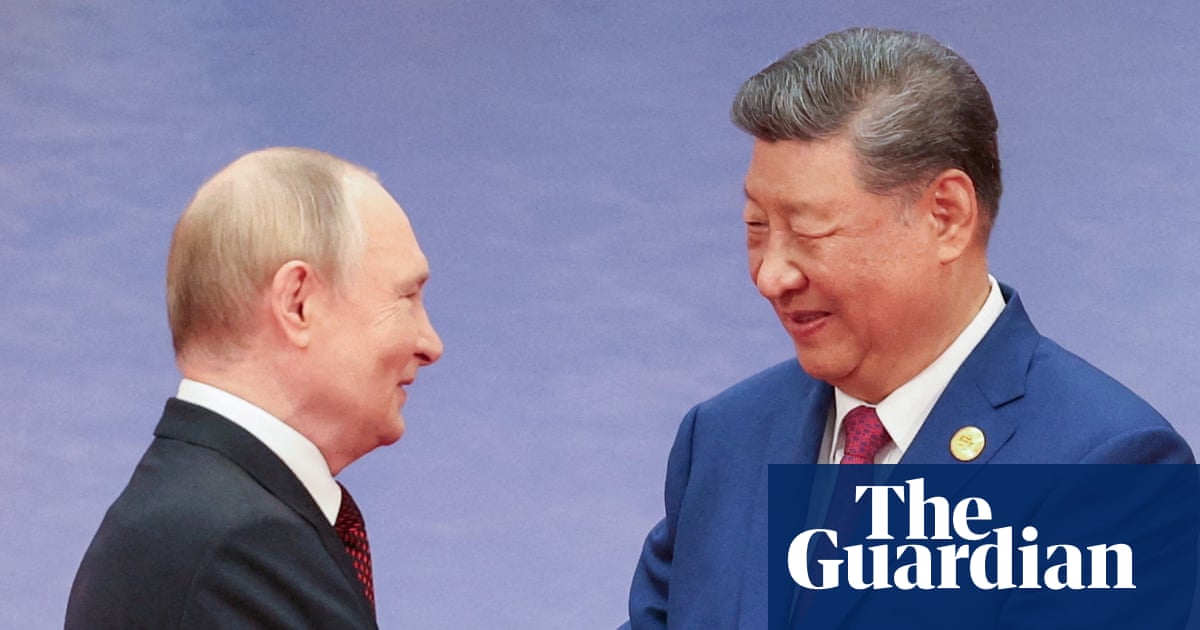
China's Victory Day parade, attended by leaders from Russia, North Korea, Iran, and Myanmar but largely shunned by Western nations, served as a significant display of Beijing's military modernization and diplomatic solidarity among powers challenging the Western-led global order. The event showcased advanced weaponry, including the DF-26 'Guam killer' missile, underscoring China's strategic capabilities. Concurrently, the Shanghai Cooperation Organization forum, attended by Indian Prime Minister Modi amidst deteriorating US-India relations, further highlighted a reordering of international influence and escalating geopolitical tensions relevant for investors assessing global stability and trade dynamics.
China's Victory Day parade serves as a potent display of both military modernization and a strategic diplomatic realignment. The attendance of leaders from Russia, North Korea, Iran, and Myanmar—a group characterized by Western analysts as an 'axis of upheaval'—while most Western leaders were absent, starkly illustrates a deepening geopolitical divide. The event showcased significant advancements in the People's Liberation Army's capabilities, including the public unveiling of the DF-26 intermediate-range ballistic missile, dubbed the 'Guam killer,' and new 'Ying Ji' anti-ship missiles, signaling a direct challenge to U.S. military presence in the Pacific. Concurrently, the Shanghai Cooperation Organisation (SCO) forum provided a platform to further this narrative. Indian Prime Minister Modi's attendance, his first visit in seven years, is particularly noteworthy as it occurs amid deteriorating India-US relations following new American tariffs. This convergence of events suggests a deliberate effort by Beijing to consolidate a bloc of nations opposed to the Western-led global order and to capitalize on fractures between the U.S. and its partners, creating a powerful optic of shifting global influence with significant implications for international trade and security.
AI-powered research, real-time alerts, and portfolio analytics for institutional investors.
Overall Sentiment
moderately negative
Sentiment Score
-0.40
