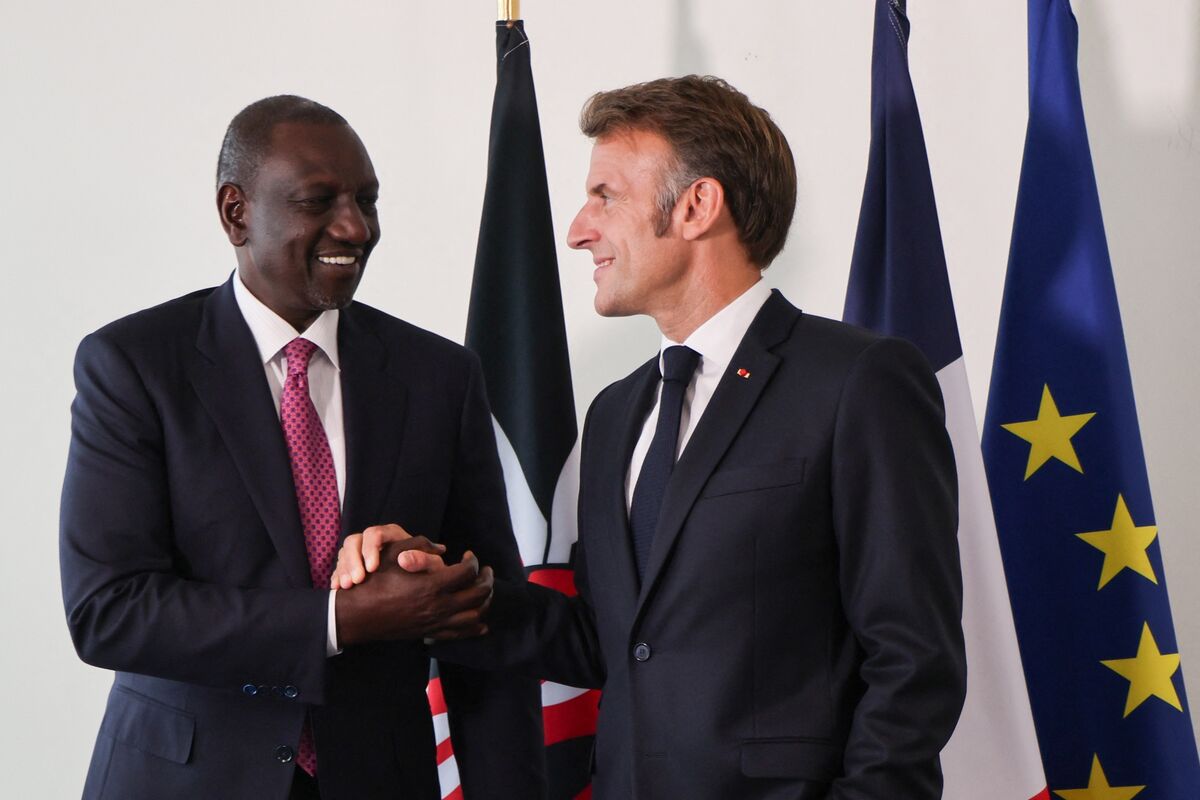
Kenya is set to ratify a defense pact with France that will expand Kenyan access to French training, technology and expertise across maritime security, intelligence sharing, peacekeeping and disaster relief. The deal strengthens bilateral ties at a time when several West African states are severing long-standing military relationships, likely improving Kenya's defense capacity and regional stability. Direct market effects are limited but the agreement may modestly benefit defense cooperation and related contractors, while reducing geopolitical risk for investors focused on East Africa.
This deal is a strategic wedge: France gains a durable foothold in a stable East African hub at a time when competing influences (state and non-state) are fragmenting regional security. Expect procurement and services budgets to skew toward ISR, secure comms, training and maritime-domain hardware — areas with high recurring-service attach rates that convert into multi-year aftermarket revenue rather than one-off platform sales.
Supply-chain winners are vendors that can deliver modular, exportable systems quickly (radars, patrol-vessel sensors, encrypted C2, and cloud/analytics for intelligence sharing). That favors prime OEMs with export footprints and local training/logistics capabilities; it also creates a follow-on market for maintenance, spare parts and training contracts that typically represent 10–25% of initial platform value per year. Smaller, software-centric firms that enable interoperability and data fusion stand to leapfrog larger platform bets if they secure early integration roles.
Timing and reversal mechanics are clear: political ratification and MoD-to-MoD MOU signatures are a near-term (days–months) catalyst, while material equipment deliveries and meaningful revenue for suppliers will show up over 12–36 months. Reversals come from three vectors — domestic political backlash, French capacity constraints (war in Europe reallocating scarce systems), or a regional political shock that reorients Kenya toward another patron — any of which would push deliveries out and compress projected upside materially.
AI-powered research, real-time alerts, and portfolio analytics for institutional investors.
Overall Sentiment
mildly positive
Sentiment Score
0.15
