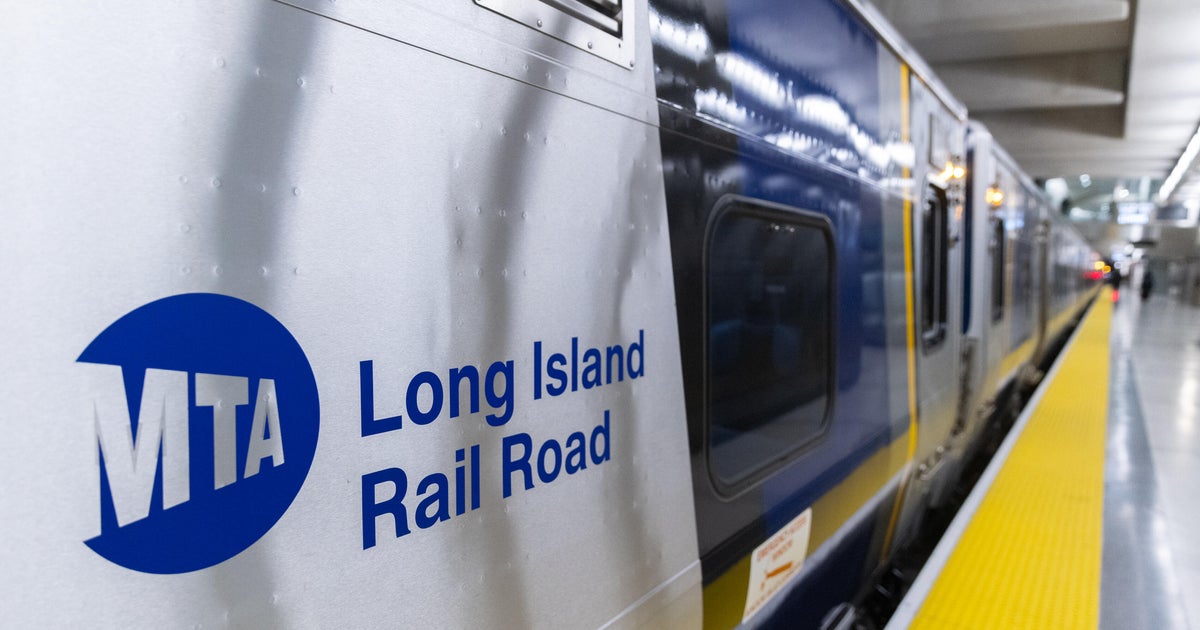
The Long Island Rail Road strike is set to end after the MTA and five unions reached a tentative deal, with phased service resuming beginning tomorrow at noon. The LIRR, which serves roughly 250,000 weekday riders, had suspended service at midnight Saturday, disrupting commuting across the New York City area. The agreement removes an immediate transportation bottleneck and limits further commuter disruption.
The immediate market read is less about the rail operator itself and more about the signaling effect for New York labor stability. A quick resolution lowers the odds of a prolonged disruption that would have pushed more commuters into subways, buses, and rideshare, but it also reinforces that the political cost of an extended transit stoppage is high enough to force late concessions. That matters for investors because the next labor negotiation in a politically sensitive system now carries a higher implied “settlement premium,” which increases medium-term operating-cost pressure across public transportation assets.
Second-order winners are the adjacent mobility substitutes that experienced a temporary demand spike. If service normalization lags even 24-72 hours, congestion and commuter friction can keep usage elevated for subway, bus, parking, and ride-hail ecosystems, but that effect decays quickly once service resumes. The more durable impact is on local employers and retail in the commuter corridor: a few days of disrupted access is usually enough to dent same-week foot traffic, but not enough to alter quarterly fundamentals unless the settlement process exposes broader governance dysfunction.
The key contrarian point is that the “good news” headline may be overstating the operational recovery path. Even after a deal, restarting a large commuter network can take days, so there is still a short window where service unreliability and missed workdays persist despite the political headline. That creates a tradable mismatch: the public narrative turns positive immediately, while actual ridership and economic normalization may lag into the end of the week.
For risk, the main catalyst to watch is whether this settlement establishes a template for higher wage settlements in other transit systems during the next 3-12 months. If so, investors should think less about a one-off strike and more about a structurally higher labor-cost regime for urban transit authorities, which can eventually feed into fare hikes, subsidy needs, or service tradeoffs.
AI-powered research, real-time alerts, and portfolio analytics for institutional investors.
Request DemoOverall Sentiment
mildly positive
Sentiment Score
0.15
Ticker Sentiment
