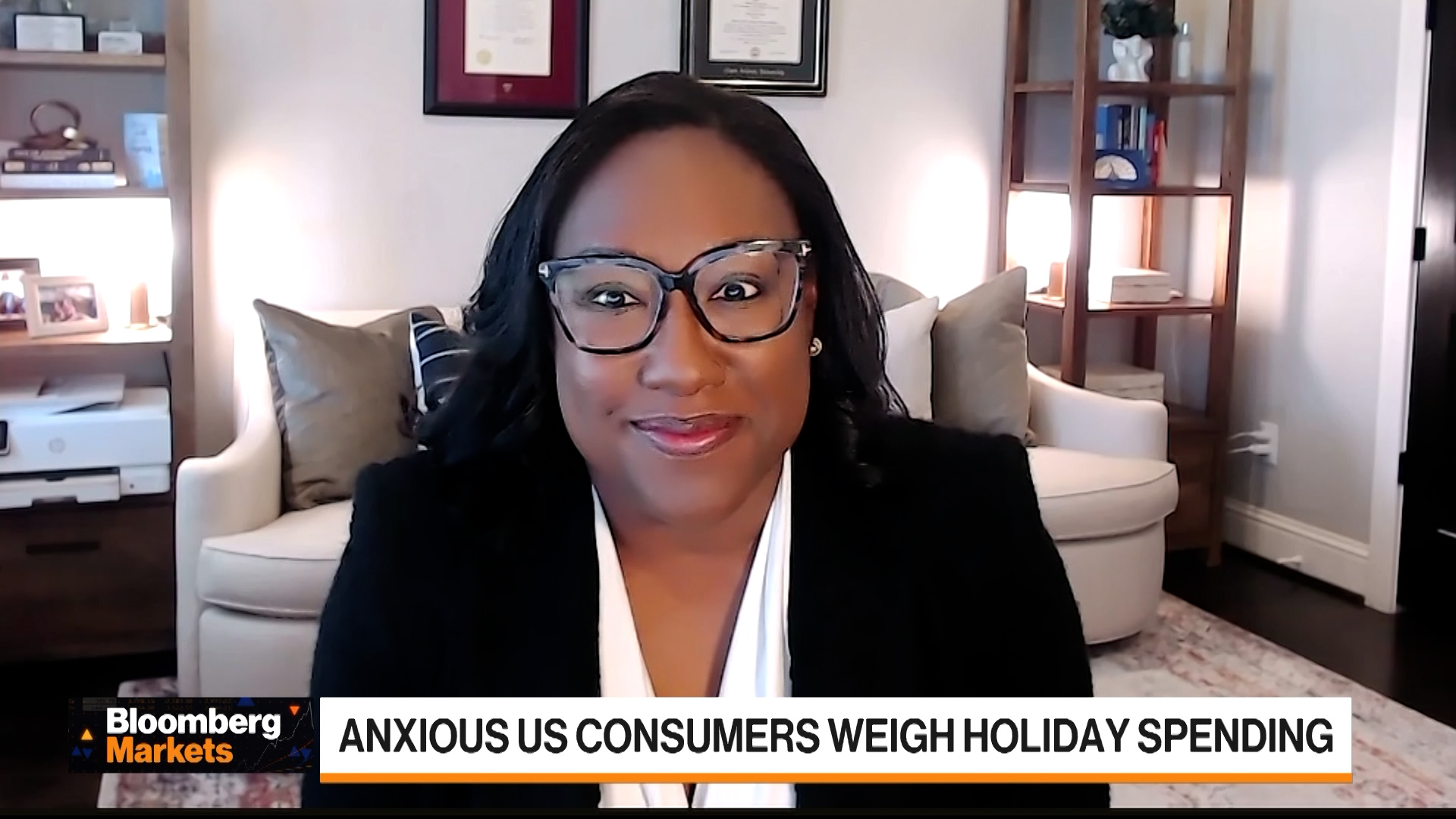
Retailers enter the holiday season cautiously optimistic: Q3 earnings indicate spending is holding but consumers are more selective, consolidating purchases into fewer retailers and loyalty programs. Inflation and tariffs are driving higher ticket prices and order values even as order counts fall (example: a toy rising from ~$20 pre-pandemic to ~$40), and many firms pulled inventory forward to avoid tariff disruptions, tightening promotional breadth to selective, margin-preserving discounts and bundled offers. Macroeconomic crosswinds — a potential shutdown, reduced government services, a weak housing market and large layoffs — keep downside risks, but retail execution on inventory, logistics and value-focused assortments will determine holiday revenue outcomes.
Market structure: Winners are membership and omnichannel retailers (COST, WMT, AMZN), off‑price players (TJX, ROST) and luxury players with perceived longevity/resale (LVMH/MC.PA, KERING/KER.PA); losers are mid‑tier department stores and low‑loyalty specialty chains (KSS, JWN, M) as consumers consolidate wallets. Expect average order value (AOV) to run mid-single‑digit % ahead y/y while order counts decline low‑single digits — a net neutral to positive sales mix for winners and negative for traffic‑dependent players.
Competitive dynamics & supply/demand: Selective promotions and bundling increase pricing power for retailers with data/loyalty — gross margins should hold while SG&A rises for logistics. Inventory pull‑forward eases stockouts near‑term, boosting carrier volumes (UPS, FDX) for 1–3 months; sustained tariff/inflation pressure keeps input costs elevated, pressuring margin for thinly branded players. Cross‑asset: sticky consumer inflation argues for lower bond duration (move into TIPS/TIP), modest upside for transportation equities and commodity inputs (oil, copper) and a tactical USD bid if rates stay higher.
Risk assessment & catalysts: Tail risks include a steep consumer credit shock (30–60bps+ rise in charge‑offs), tariff escalation, or a shipping strike that removes the near‑term inventory benefit. Near‑term (days–weeks): watch retail same‑store sales and carrier volumes; short‑term (weeks–months): Q4 earnings and promotional cadence; long‑term (quarters): wallet consolidation into membership/loyalty. Hidden dependencies: BNPL credit stress (AFRM) and credit card delinquencies amplify downside to discretionary names.
Trade implications: Favor 6–12 month overweight to membership/discount/omnichannel winners and logistics while trimming mid‑tier department stores; use defined‑risk option structures into holiday data releases and move fixed income duration out to protect against sticky inflation. Catalysts to accelerate or reverse trades include CPI prints, consumer credit data, and retailer 3Q/4Q same‑store sales releases.
AI-powered research, real-time alerts, and portfolio analytics for institutional investors.
Request DemoOverall Sentiment
mixed
Sentiment Score
0.12
