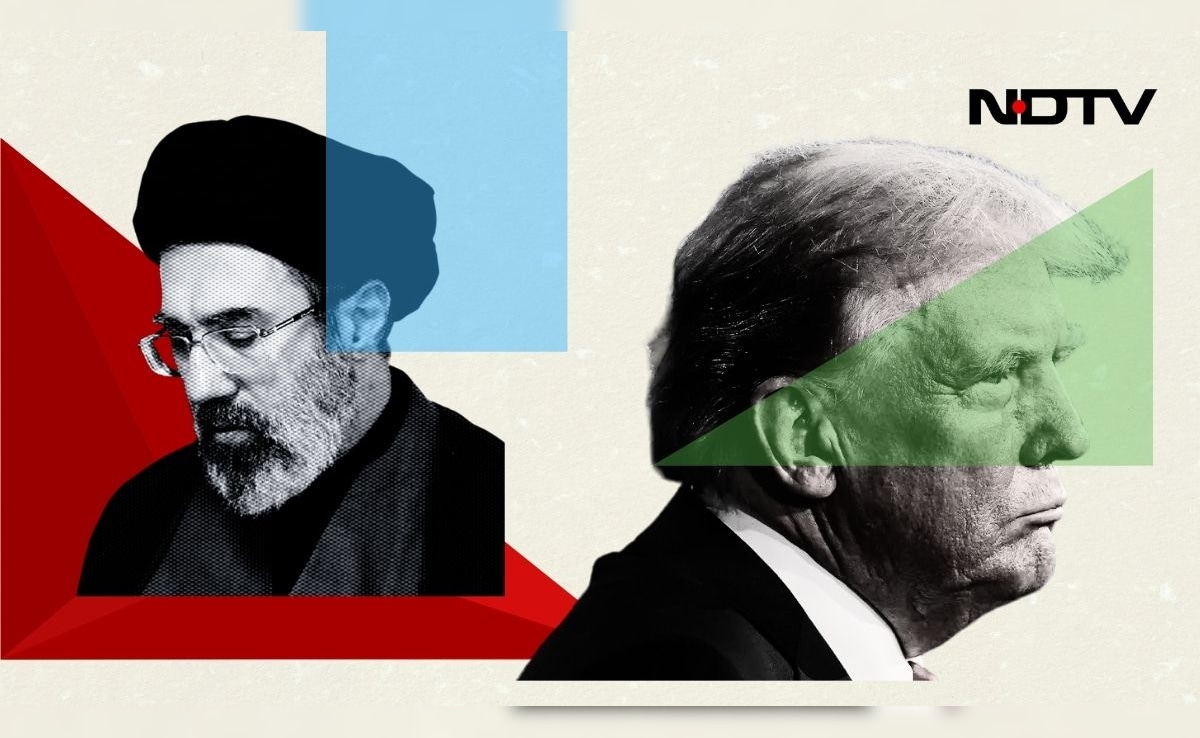
10,000 additional US troops and an April 6 deadline raise the risk of a major escalation between the US/Israel and Iran; Iran’s ‘horizontal escalation’ and Houthi attacks threaten key chokepoints (Strait of Hormuz, Bab el‑Mandeb). Reported Russian military-technical support for Iran and China’s likely non‑intervention increase the chance of prolonged energy supply disruptions and meaningful oil-price upside; position portfolios defensively, favor energy/quality defensive assets and hedge supply‑chain and commodity exposure.
Markets are pricing a chronic geopolitical risk premium that will persist until a credible, verifiable channel for de‑escalation emerges. The mechanism is not a single headline move but a steady erosion of market efficiency: higher insurance premia, longer voyage distances, and precautionary crude inventories all convert episodic attacks into sustained basis and freight inflation. Financially, that favors assets with long‑dated cashflow resilience (pricing power, secured offtakes) and penalizes high fixed‑cost, volume‑sensitive businesses exposed to volatile energy input costs.
Second‑order supply‑chain effects will redistribute margins across the hydrocarbon complex. Expect light sweet crude to premiumize relative to heavy sour grades where refining bottlenecks persist, and for regional refining spreads to bifurcate—benefiting refineries with coking/upgrading capacity. Separately, rerouting and congestion will raise container and tanker voyage costs by a material percentage (we estimate a 10–35% increase in freight per affected route), accelerating reshoring discussions for time‑sensitive goods and increasing near‑term capex for logistics players.
Tail risks are asymmetric: a rapid, credible back‑channel de‑escalation would collapse the premium within weeks, whereas a durable transfer of drone/EO‑EW capabilities into proxy networks would institutionalize higher risk premia for years. Watch three horizons: days–weeks for headline shocks and insurance repricing; 1–3 months for inventory and SPR policy responses; and 6–24 months for structural shifts (supply partnerships, defense procurement cycles) that harden the new normal.
Consensus underestimates the persistence of freight/insurance inflation and overestimates the immediacy of a diplomatic resolution. That creates both a near‑term tactical playbook (favor energy storage, selective defense exposure, and transportation shorts) and a staggered optionality strategy to monetize mean reversion should negotiations make progress.
AI-powered research, real-time alerts, and portfolio analytics for institutional investors.
Request DemoOverall Sentiment
strongly negative
Sentiment Score
-0.75
