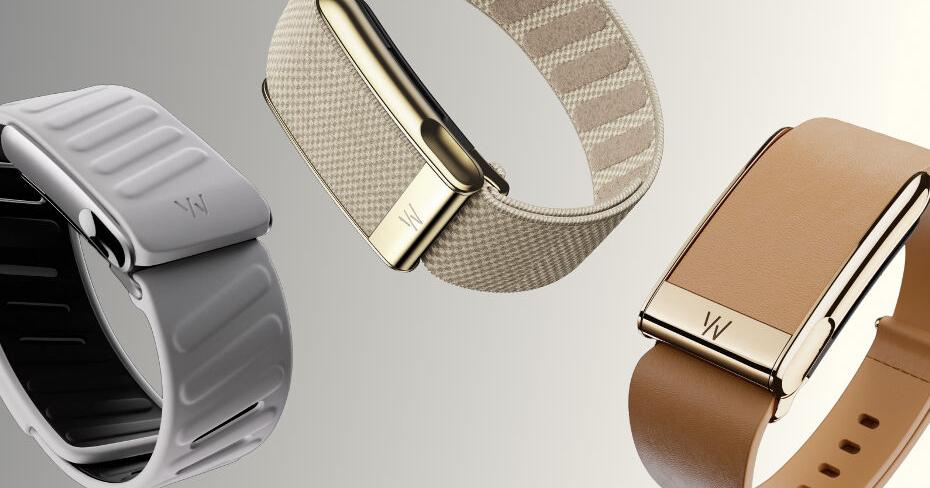
WHOOP was named to the 2026 CNBC Disruptor 50 list, highlighting a strong year that included the May 2025 launch of WHOOP 5.0 and WHOOP MG, a January 2026 Massachusetts AI Coalition initiative, and a $575 million Series G at a $10.1 billion valuation. The company also expanded partnerships with Paris Saint-Germain and Scuderia Ferrari HP while adding new health and AI features. The news is positive for brand momentum and venture-profile visibility, but it is unlikely to materially move the public markets.
This is less a one-off PR catalyst than a signal that the consumer wearables market is migrating from gadget economics toward recurring health-data subscription economics. The meaningful second-order effect is competitive: once a premium player validates a hybrid hardware + membership model at venture scale, it raises the bar for incumbents that still rely on one-time device gross margin and weak retention. That puts pressure on adjacent ecosystems to deepen engagement with software, biometrics, and longitudinal health insights rather than chase unit shipment growth.
The most interesting implication is channel and positioning, not awareness. Partnerships with elite sports and lifestyle brands broaden WHOOP’s brand moat, but they also pull the category further upmarket, where price sensitivity is lower and churn is more behavior-driven. That dynamic is favorable for any company with proprietary sensor data, clinical adjacency, or a high-frequency subscription loop; it is unfavorable for commodity fitness wearables that lack a clear path to monetization beyond hardware refresh cycles.
The near-term risk is that private-market enthusiasm compresses forward expectations faster than product adoption can scale internationally. If engagement metrics stall after the initial launch cadence, the market will quickly re-rate the story from category-defining platform to expensive niche brand. The long-duration upside case depends on whether health insight features can move from “interesting” to “habit-forming” inside 6-12 months; without that, valuation support becomes increasingly narrative-driven and fragile.
Contrarian view: the bullish consensus may be underestimating how much of this is premium branding rather than defensible healthcare utility. The stock market opportunity is not the private company itself but the vendors that enable medical-grade sensing, data infrastructure, and AI interpretation at scale. The winners are likely to be less visible names in componentry, diagnostics, and health data software rather than the consumer-facing brand that gets the headlines.
AI-powered research, real-time alerts, and portfolio analytics for institutional investors.
Request DemoOverall Sentiment
moderately positive
Sentiment Score
0.55
