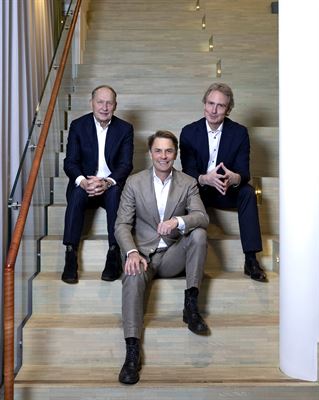
Fastighets AB Balder, Next Step Group and Bockasjö have formed a joint venture to develop Link40, a 45-hectare logistics hub outside Gothenburg with development rights for ~250,000 sqm GFA and an estimated investment of ~SEK 4 billion to be built over 6–8 years; construction is planned to start Q1 2027. Ownership is structured with Bockasjö holding 50% and Next Step + Balder the other 50%, combining urban development, property management and logistics construction expertise; Balder is a listed landlord with a SEK 229.5bn portfolio (as of 30 Sep 2025).
Market structure: The JV (50% Balder / 50% Bockasjö with Next Step as developer) concentrates ~SEK 4bn of logistics supply (250k sqm over 6–8 years) into a premium Gothenburg corridor. Winners: Balder (BALD-B.ST) via pipeline and fee income, regional logistics developers and construction contractors (Peab, NCC) from sustained activity; losers: marginal retail/office landlords and secondary industrial parks that will face tenant flight and pricing pressure. Expect localized cap‑rate compression for modern logistics (down 25–50bps) and pricing power for large-format developers, especially if pre‑lets >30% are secured within 12 months.
Risks: Tail risks include a planning/environmental injunction delaying start past Q1 2027, a 100–300bps+ rise in real financing costs that makes projects uneconomic, or a 25–40% construction cost overrun from supply shocks. Immediate (days/weeks) impact is limited to sentiment; short term (3–12 months) depends on municipal approvals and pre‑let announcements; long term (2027–2032) is execution risk and demand realization. Hidden dependencies: infrastructure funding (road/rail links) and tenant logistics automation needs could materially change layouts and cost.
Trade implications: Direct plays are long BALD-B.ST (2–3% portfolio) and selective exposure to European logistics REITs (Prologis PLD) and Swedish builders (PEAB-B.ST) via 1–2% positions. Pair trade: long BALD-B.ST vs short office‑heavy FABG.ST (2% each) to express logistics vs office rotation into 2027. Options: buy 12–24 month LEAP calls on BALD-B.ST or PLD (10–15% OTM) and layered protective puts (12‑month) sized 0.5–1% notional if planning delays exceed 6 months.
Contrarian angles: Consensus prices this as a steady positive for Balder and logistics; it undervalues execution and infrastructure risk — a single 12–18 month municipal or permit delay could push IRR below hurdle rates. Historical parallel: large contiguous logistics parks in Europe have seen 6–18 month planning slippages and capex creep; if pre‑lets stay <20% after 12 months, re‑rate Balder/developers down 10–20%. Unintended consequence: concentration of big logistics stock may accelerate tenant consolidation and reduce rental growth after supply completion, capping upside.
AI-powered research, real-time alerts, and portfolio analytics for institutional investors.
Request DemoOverall Sentiment
moderately positive
Sentiment Score
0.45
