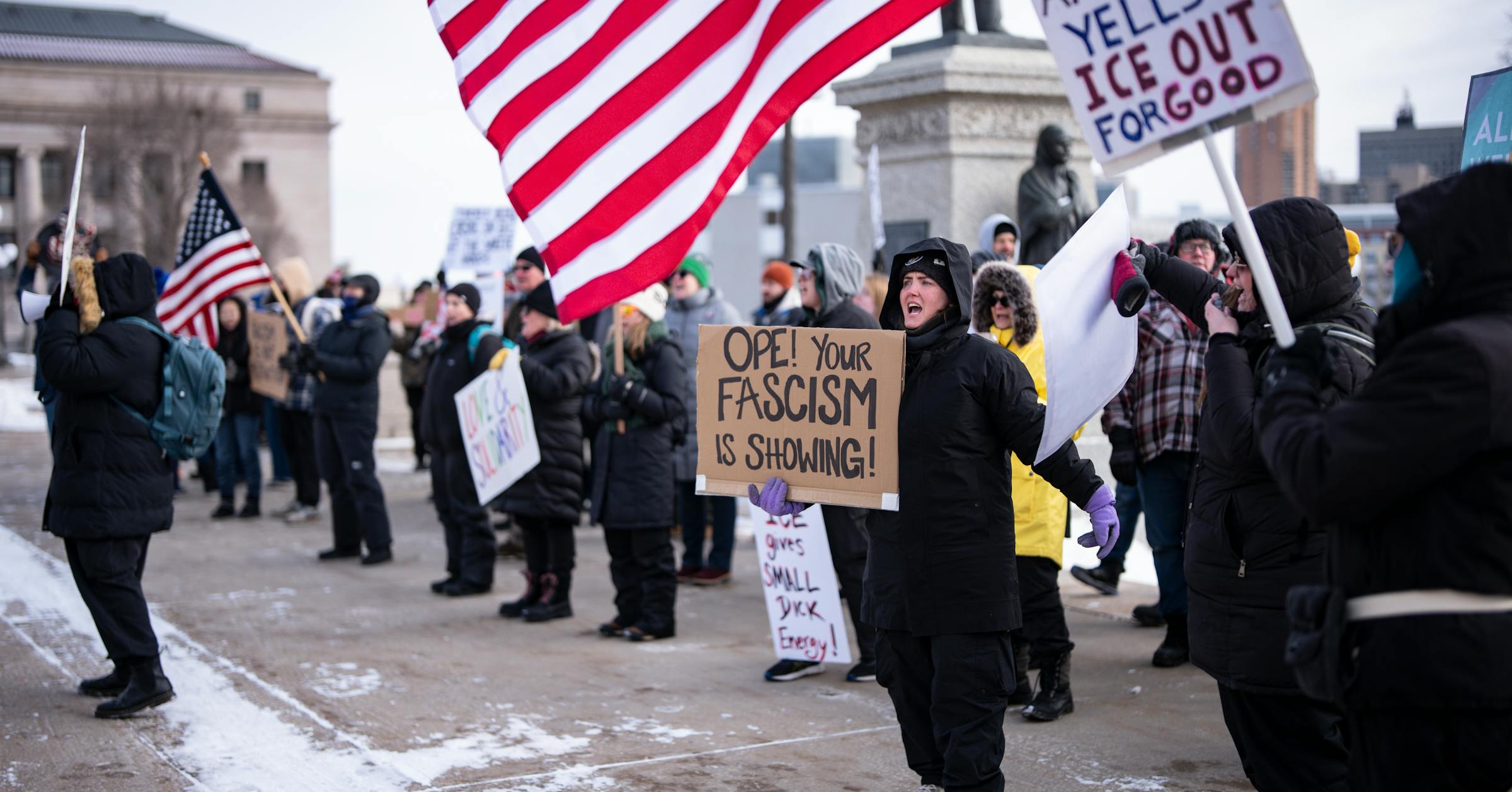
Minnesota businesses, organized by faith and union leaders, have planned a statewide shutdown on Jan. 23—described as an “ICE Out! Statewide Shutdown”—to protest Immigration and Customs Enforcement operations following the Jan. 7 death of Renee Good; organizers say thousands of businesses and tens of thousands of workers and students have pledged participation. Unions urged the University of Minnesota to close so staff and grad students can join, while recent detentions at a Minneapolis mall underscore ongoing enforcement activity; the action poses a localized hit to retail and daily economic activity and raises reputational and policy risk for firms operating in the Twin Cities, warranting monitoring of further protests and enforcement developments.
Market structure: The Jan 23 blackout is a concentrated, local demand shock in the Twin Cities that advantages national omnichannel retailers (AMZN, WMT) and delivery/logistics players while directly hurting small independent retailers, mall landlords and travel/tourism tied to Minneapolis (Simon SPG, Macerich MAC). Expect a measurable foot-traffic decline on Friday of ~20–50% at targeted locations (one-day revenue hit), with larger revenue leakage for businesses that cannot shift online quickly. Cross-asset effects will be small nationally but could widen local muni spreads and pressure short-dated equity vols in regional retail/REIT names.
Risk assessment: Tail risks include escalation into multi-day strikes or violent clashes that suppress Q1 local consumption by 1–3% and widen Hennepin County muni spreads by >25bp; regulatory tail (policy curbs on ICE operations) could alter state funding dynamics over quarters. Immediate risks (days): transient sales loss and elevated retail option IV; short-term (weeks/months): reputational damage and operational security spend; long-term (quarters): potential migration of small businesses or rent renegotiations reducing mall NOI. Hidden dependencies: university closures reduce student spending and state revenue; insurance/claims or security contract spend could reduce small-business margins.
Trade implications: Tactical trades favor national e-commerce and consumer staples (AMZN, WMT, PG) and short selective regional retail/REIT exposure (SPG, MAC) and regional banks (U.S. Bancorp USB). Use short-dated options around Jan 23: buy 2–4 week put spreads on TGT and SPG (small notional 0.5–1% portfolio each) to capture event IV; establish 1–3% long positions in AMZN/WMT for 1–3 month horizon to capture reallocation of spending. Rotate 3–5% from regional-bank/REIT exposure into consumer staples if local volatility persists >2 weeks.
Contrarian angles: The consensus overstates national earnings impact — historical civil unrest/protest events usually produce sub-3% short-term equity moves with mean reversion in 2–6 weeks. Mispricing risk: excessive short bets on large caps (TGT, USB) are crowded and may be stopped out; better to size event trades small (<=1% each) and use defined-risk option structures. Monitor placers: real-time foot-traffic (Placer.ai), local card spend, and Hennepin muni spreads; if no sustained deterioration in 7–14 days, unwind tactical shorts.
AI-powered research, real-time alerts, and portfolio analytics for institutional investors.
Request DemoOverall Sentiment
moderately negative
Sentiment Score
-0.35
