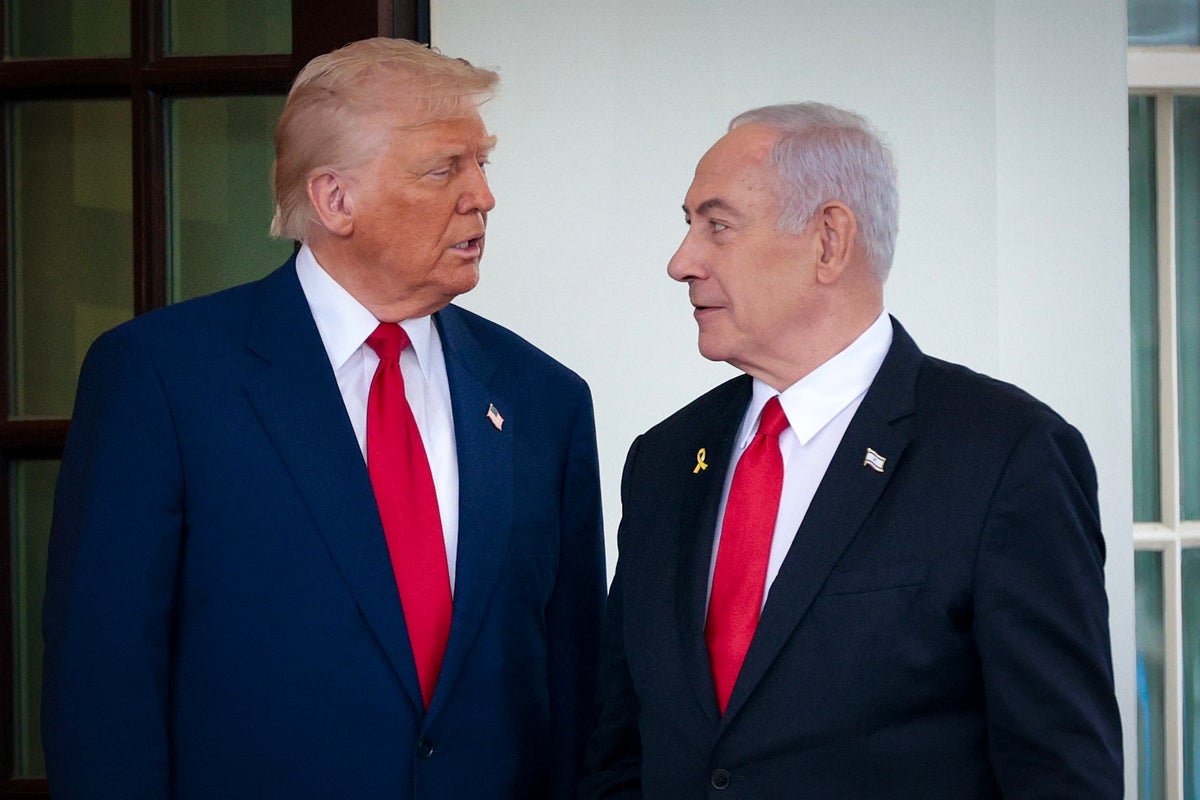
Oil topped US$100/bbl on March 16 after reported US strikes on Kharg Island, while Iran is said to hold over 440 tonnes of uranium enriched to >60%. The article underscores deep strategic and personal splits between Trump and Netanyahu — the US seeks a quicker end to limit domestic economic pain (higher gas prices and inflation) ahead of October elections, whereas Israel seeks a decisive defeat to eradicate Iran’s nuclear, missile and proxy capabilities. Elevated geopolitical risk increases the likelihood of sustained energy-price upside and broader market volatility, complicating prospects for a coordinated end to the conflict.
A structural divergence between an actor with existential incentives and an external coalition constrained by domestic macro-politics increases the probability of a stop-start campaign rather than a clean, negotiated exit. That dynamic raises the marginal cost of risk in regional trade routes and commodity flows: expect intermittent supply shocks that compound freight/insurance premia and force longer tanker voyages, creating a persistent energy risk premium lasting months rather than days. Defense procurement visibility and front-loaded logistics spending will likely accelerate for prime contractors, compressing program execution timelines and lifting near-term revenue certainty for a subset of large-cap names. Conversely, a rapid diplomatic breakthrough would crush realized upside for those names and re-price duration risk aggressively — the path matters more than the binary outcome, so position sizing should reflect skew, not just direction. Second-order inflation channels matter: elevated shipping and fertilizer costs feed directly into food CPI with a ~3–6 month lag, which in turn raises the probability of more hawkish central bank communication and higher real yields. Corporate supply-chain re-routing will benefit domestic-capex exposed suppliers and regional insurers/brokers capturing outsized premium resets; credit spreads in commodity-exposed EM issuers are the next market to watch for early stress signals.
AI-powered research, real-time alerts, and portfolio analytics for institutional investors.
Overall Sentiment
strongly negative
Sentiment Score
-0.60
