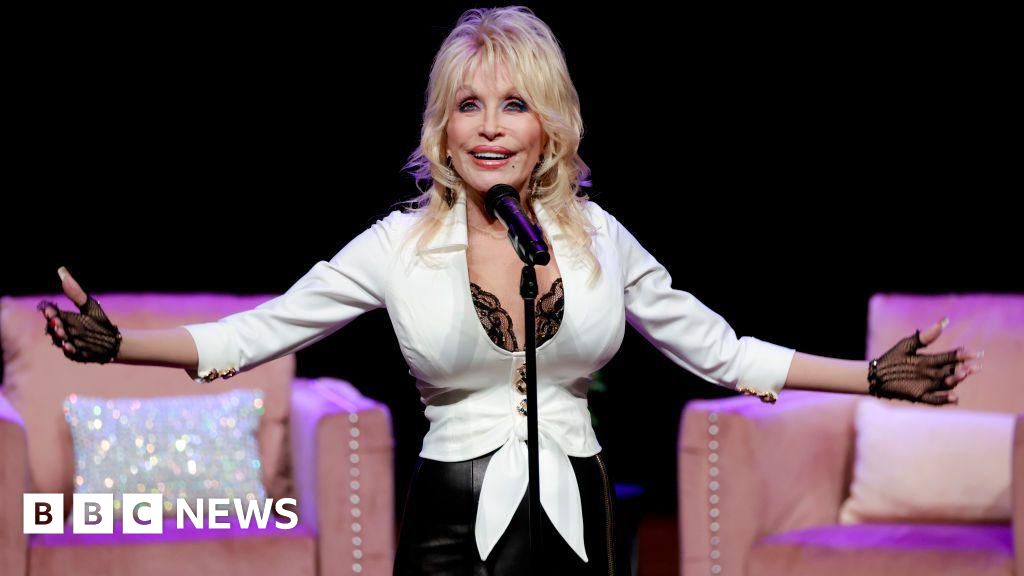
Dolly Parton cancelled her six-date Las Vegas residency, which had already been postponed from December 2025 to September 2026, as she undergoes treatment for health issues and recovers from kidney stones. She said she is improving every day but is not yet stage-performance ready. The news is primarily an entertainment and live-events update with limited broader market impact.
The direct market impact is negligible, but the second-order read is that premium live-entertainment supply is becoming more fragile as aging legacy acts de-risk schedules. That matters most for venue operators and destination-led demand: when a marquee residency slips, the entire revenue stack shifts out on the calendar, pressuring near-term room nights, premium dining, and ancillary spend at the host property. The real beneficiary is the venue itself only if it can backfill dates quickly; otherwise the hit falls through to casino floor traffic and weekend yield. For entertainment peers, this is a reminder that headline “event risk” can move monthly booking curves more than demand elasticity. Acts with older fan bases create a convexity problem: one health-related cancellation can compress a full season of high-margin inventory into a later period with limited substitution options. Over months, that tends to favor operators with diversified entertainment calendars over single-artist reliance, and it weakens the case for any property-specific revenue assumptions tied to one residency anchor. The healthcare angle is not about the company itself but about the consumer signaling effect: this is another example of a high-profile artist publicly framing treatment as temporary and manageable, which can reduce stigma and keep monetization pipelines intact. The contrarian point is that cancellations like this are often over-discounted in the stock market because the economic damage is localized and usually recoverable if the act returns within 1-2 quarters. The bigger risk is if this becomes part of a broader pattern of aging-headliner cancellations, which would force venues to reprice longer-dated residency economics and raise insurance/guarantee costs.
AI-powered research, real-time alerts, and portfolio analytics for institutional investors.
Request DemoOverall Sentiment
mildly negative
Sentiment Score
-0.18
