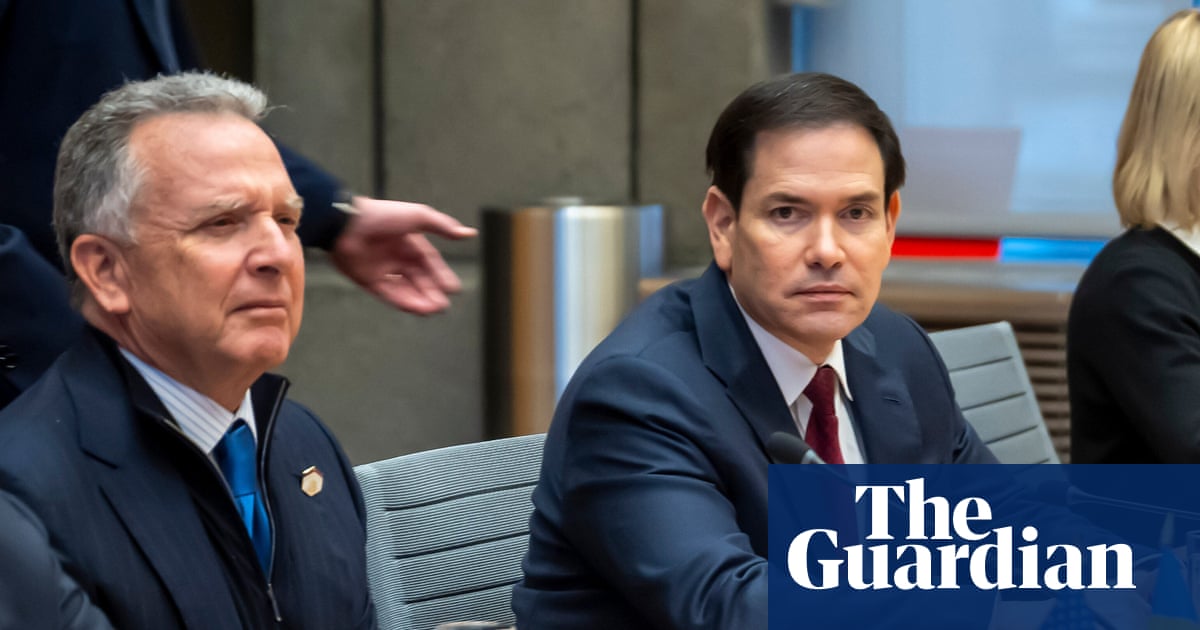
U.S. envoys including Secretary of State Marco Rubio, special envoy Steve Witkoff and Jared Kushner will meet a Ukrainian delegation led by Rustem Umerov in Florida to discuss a U.S. plan to end the war with Russia; Andriy Yermak will not attend following his resignation. France will host President Zelensky in Paris to press for conditions of a negotiated peace and warn of fresh sanctions; meanwhile Ukrainian naval drones struck two sanctioned tankers (Kairos and Virat) en route to Novorossiysk and a large Russian drone/missile barrage killed six and cut power to roughly 500,000 people (with >400,000 restored). The mix of diplomatic engagement, new sanctions rhetoric and direct attacks on oil shipping elevates downside risk to regional stability and energy flows, with potential knock-on effects for oil markets and risk sentiment.
Market structure: escalation plus active diplomacy (US/France meetings) is bifurcating winners/losers — higher probability of sustained oil price volatility (upside shock risk ~+10–25% tail) benefits integrated oil majors (XOM, CVX) and energy service providers while raising short-term operational risk for tanker owners and insurers (EURN, FRO, AXS). Defense and ISR suppliers (LMT, RTX, GD) see durable demand with potential for a multi-quarter re-rating if Western aid packages or sanctions intensify; civilian travel/airlines and regional EM equities tied to Russia/Moldova are losers from prolonged kinetic risk.
Risk assessment: immediate (days) — volatility spikes in oil, shipping rates and USD safe-haven flows; short-term (weeks–months) — disruption to Russia’s “shadow fleet” could cut seaborne Russian crude flows by an outsized percentage (10–30%) forcing rerouting and premium freight; long-term (quarters–years) — permanent higher war-risk premia in marine insurance and structural re-routing of hydrocarbon supply chains. Tail risks include NATO escalation or a rapid negotiated settlement; both would invert trades quickly. Hidden dependency: insurance market capacity and Chinese buying behavior are the swing factors determining how much Russian crude actually reaches global markets.
Trade implications: prefer convex exposure — small concentrated longs in oil and defense plus volatility-defined option structures and avoid naked directional bets on tanker equities. Cross-asset effects: expect 2–4% downward pressure on European sovereign curve via risk-premium widening, USD strength vs EM (notably RUB/MDL), and higher implied vols in commodity options; hedge equity exposure with short-dated PUTS or VIX collars.
Contrarian angles: consensus is “buy defense, buy oil” but the market underprices rapid de-escalation risk from successful high-level diplomacy — a negotiated pause could cause a 10–20% collapse in oil vol and 5–15% mean reversion in defense names. Conversely, over-penalized tanker equities may already price in loss of vessels and could rally sharply if strikes remain limited; prefer option-defined, time-limited positions to capture these asymmetric outcomes.
AI-powered research, real-time alerts, and portfolio analytics for institutional investors.
Request DemoOverall Sentiment
moderately negative
Sentiment Score
-0.35
