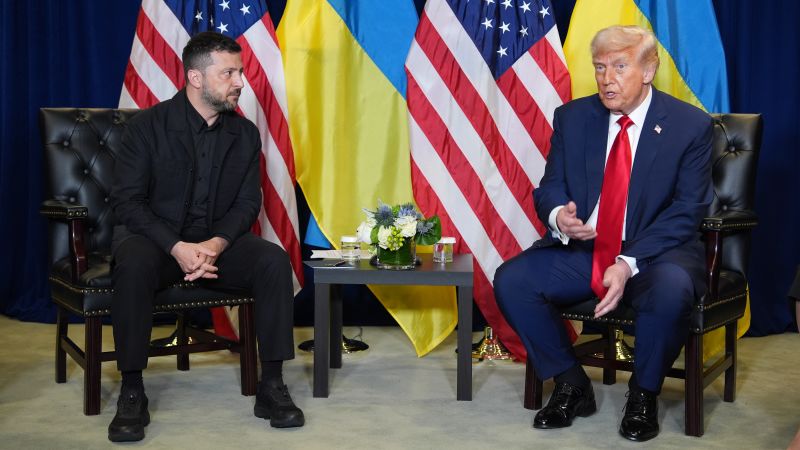
President Trump advocated for NATO members to shoot down Russian aircraft violating their airspace, a more aggressive stance than NATO Secretary General Rutte and US Secretary of State Rubio, who emphasized intelligence-based threat assessment and interception, respectively. This divergence in approach follows recent Russian airspace incursions into Poland, Estonia, and potential drone incidents near Scandinavian airports, heightening geopolitical tensions and raising questions about NATO's rules of engagement and European defense preparedness amid the ongoing conflict in Ukraine.
A significant divergence in policy guidance from key Western leaders has emerged regarding NATO's response to Russian military incursions, elevating geopolitical risk and market volatility. While President Trump has advocated for an aggressive 'shoot down' policy for aircraft violating NATO airspace, this contrasts sharply with the more measured, intelligence-based threat assessment approach favored by NATO Secretary General Mark Rutte and the intercept-focused strategy outlined by U.S. Secretary of State Marco Rubio. This policy uncertainty is not theoretical; it follows a series of recent provocations including Russian MiG-31 fighter jets entering Estonian airspace, similar incursions over Poland, and drone sightings that shut down major airports in Norway and Denmark. The lack of a unified and predictable response framework from the alliance increases the risk of miscalculation and accidental escalation, a significant tail risk for global markets. Furthermore, President Trump's comments underscore a persistent push for European allies to increase defense expenditures, a theme with direct implications for the defense sector.
AI-powered research, real-time alerts, and portfolio analytics for institutional investors.
Request DemoOverall Sentiment
moderately negative
Sentiment Score
-0.60
