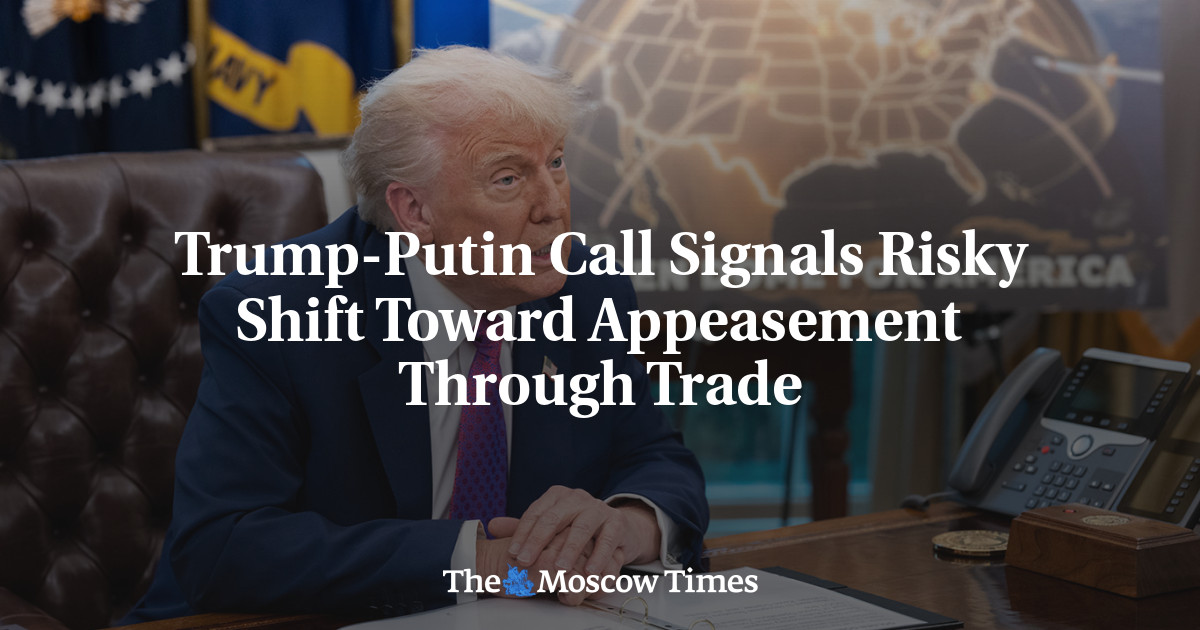
Donald Trump has expressed interest in pursuing "large-scale trade" with Russia after the war in Ukraine, potentially undermining Western sanctions and presenting risks for companies. This approach contrasts with the EU's stance of maintaining sanctions to hold Russia accountable, and could lead to American companies seeking to capitalize on Russian resources and projects. However, firms face potential reputational damage, regulatory hurdles, and the risk of corruption, as well as the broader geopolitical implications of appearing to reward Russian aggression.
A potential U.S. foreign policy shift under Donald Trump towards "large-scale trade" with Russia post-Ukraine war presents a stark divergence from current Western strategy and introduces significant, multifaceted risks for companies and investors. This approach, prioritizing business engagement over sanctions and accountability for war crimes, directly contrasts with the European Union's firm stance, which includes a 17th round of sanctions aimed at penalizing Russian aggression. While the prospect of accessing Russia's natural resources, energy projects, and manufacturing sectors might appear attractive to some U.S. businesses—evidenced by reported interest in the St. Petersburg International Economic Forum and efforts to revive projects like Nord Stream 2—the operating environment remains perilous. Companies contemplating such engagement face a complex web of EU sanctions, the potential for U.S. secondary sanctions, severe reputational damage from associating with a regime condemned for international law violations, and endemic corruption within Russia. The experience of Michael Calvey, a seasoned investor who achieved significant early success with Yandex but was later subjected to politically motivated charges and a suspended sentence, underscores the unpredictable and severe non-market risks, including legal and political interference, inherent in the Russian market. This policy direction, if implemented, could also signal a broader geopolitical message that aggression can be overlooked for economic gain, potentially destabilizing international norms and undermining Western unity. The article's strongly negative sentiment (-0.85) reflects these substantial concerns.
AI-powered research, real-time alerts, and portfolio analytics for institutional investors.
Overall Sentiment
strongly negative
Sentiment Score
-0.85
