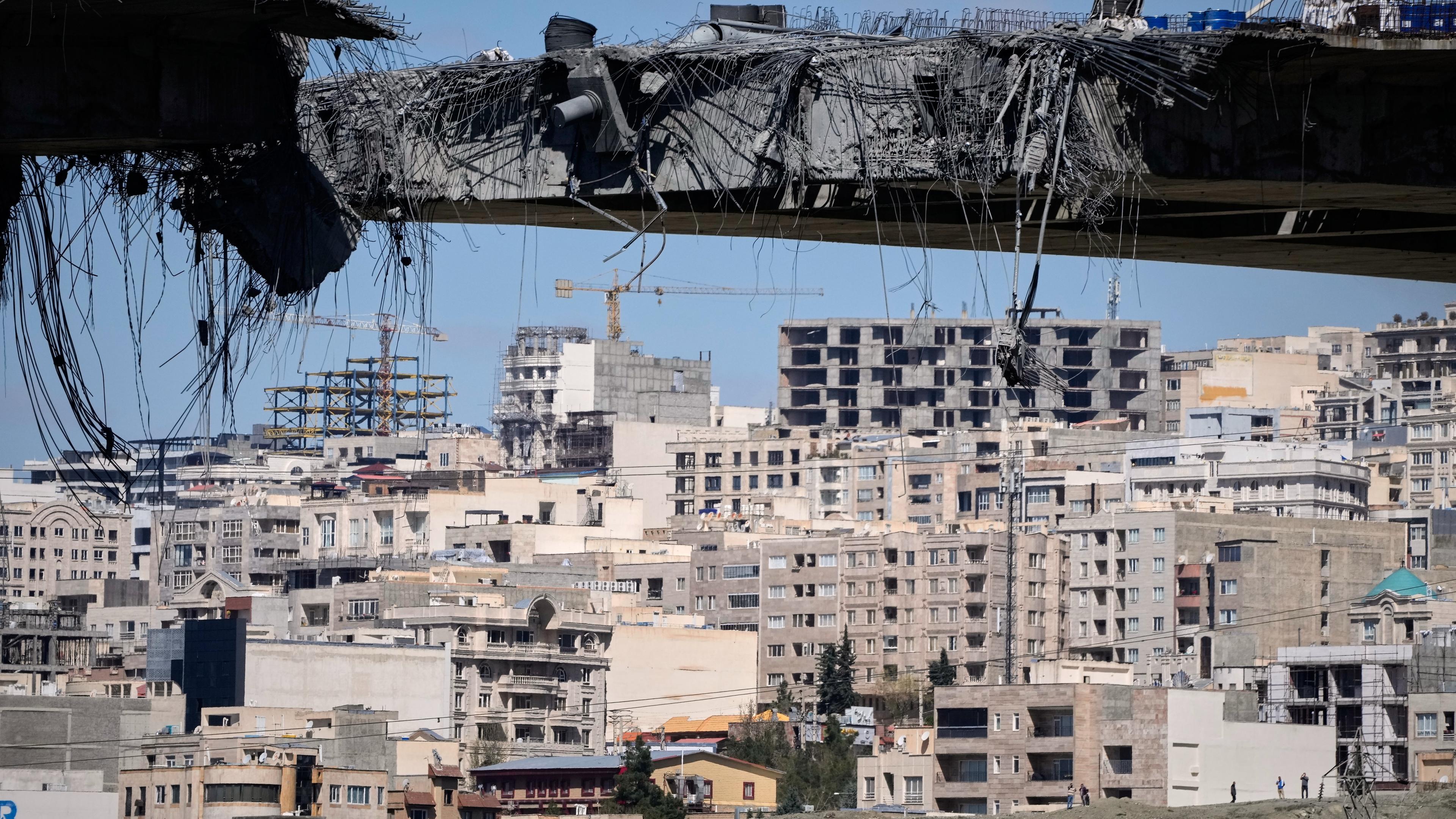
President Trump set a deadline (Tuesday 8 p.m. ET) threatening to bomb Iran’s civilian power plants and bridges if the Strait of Hormuz is not reopened, escalating a confrontation that has already effectively closed the waterway since Feb. 28. Iranian strikes have slowed shipping through the Strait, creating a global oil and energy shortage and sending U.S. gas prices sharply higher; attacks and counterattacks now include an Israeli strike on a major petrochemical plant in Mahshahr and Iranian strikes on facilities in Kuwait. The article notes broader regional contagion risks: Houthis and Iranian officials have threatened closure of the Bab al‑Mandab Strait (which would jeopardize Suez Canal traffic that carries ~22% of global seaborne container trade), and over 100 merchant-vessel attacks occurred in a previous Red Sea campaign, highlighting material downside risk to oil, shipping, and global trade flows.
Markets are pricing a persistent, asymmetric disruption to oil and global shipping rather than a one-off spike; that translates into outsized near-term cash returns for physical oil holders and tanker owners and materially higher operating costs for flow-sensitive users (airlines, container lines, integrated logistics). Insurance and war-risk premia will front-load costs for at-risk routes — expect >20-40% increases in per-voyage insurance for trans-Gulf and Red Sea transits within weeks, which mechanically lifts time-charter-equivalent (TCE) rates and bunker demand as voyages lengthen by ~7–14 days on Africa-round trips.
Second-order winners include VLCC/time-charter owners, certain listed midstream storage players and select independents that can ramp exports quickly; losers are airlines, just-in-time manufacturers and container lines facing both higher fuel and longer cycle times that push working capital out by multiple weeks. Over 3–12 months, persistent disruption materially raises the incentive to regionalize inventories and reshore critical inputs — supporting steel, copper and industrial suppliers while depressing global trade-weighted volumes by a mid-single-digit percentage if closures are intermittent and rerouting becomes standard.
Catalysts and reversals are binary and fast: diplomatic backchannels or targeted SPR releases can collapse risk premia in days, while escalatory counterstrikes or broadening of targets (e.g., Bab al-Mandab) can keep premiums elevated for months. Position sizing should assume high gamma: expect large intraday moves on headline shocks but mean reversion when shipping insurance/route adaptations and temporary production responses (shale sprint, SPR) come into play within 30–90 days.
AI-powered research, real-time alerts, and portfolio analytics for institutional investors.
Request DemoOverall Sentiment
strongly negative
Sentiment Score
-0.85
