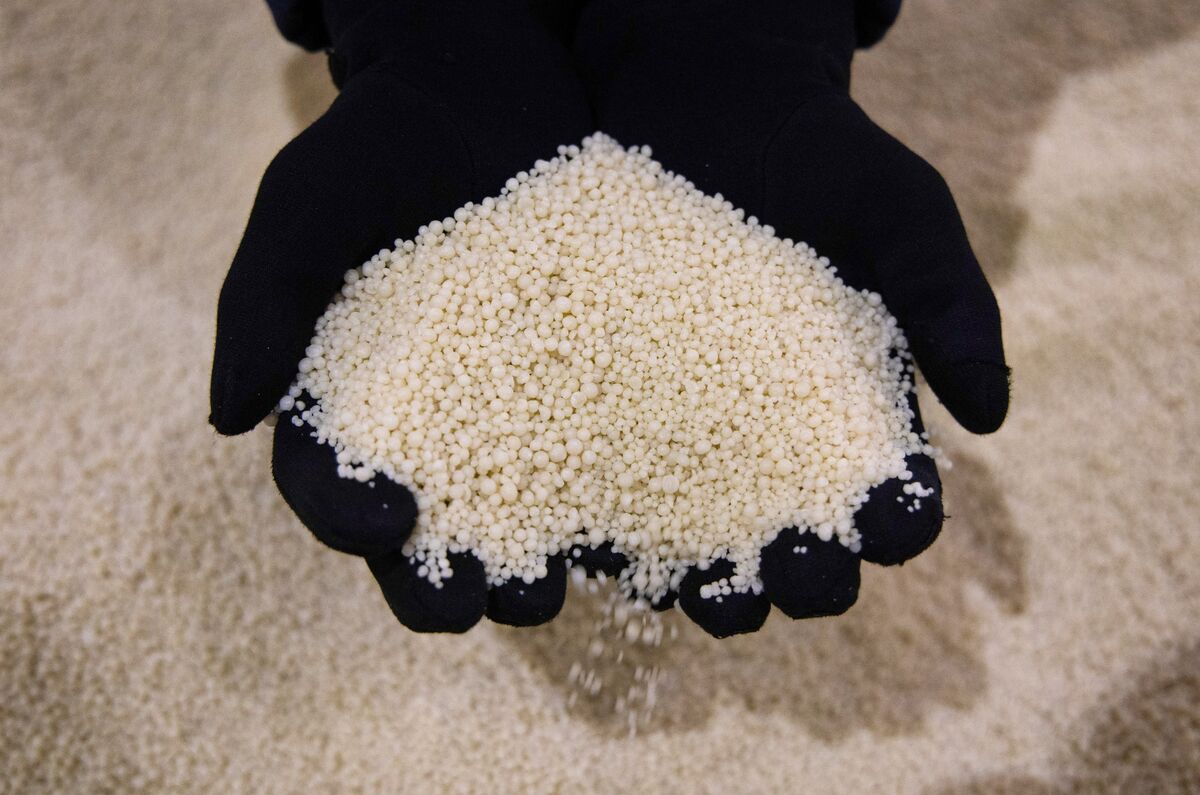
Global urea prices have surged due to escalating violence in the Middle East, threatening supplies from the Persian Gulf, a region responsible for nearly half of global urea exports. This supply disruption is exacerbated by production curtailments from Egypt and Iran, which collectively accounted for almost 20% of last year's global urea trade, signaling potential agricultural supply chain pressures.
Global urea prices are experiencing a significant surge driven by escalating geopolitical tensions in the Middle East, a critical hub for global fertilizer supply. The primary risk stems from the Persian Gulf region, which, according to Bloomberg Intelligence, is the source for nearly half of the world's urea exports. This broad regional threat is compounded by concrete supply disruptions already underway, with Egypt and Iran curtailing production. The impact of these specific curtailments is substantial, as the two nations collectively accounted for almost 20% of global urea trade last year, according to CRU Group. This confluence of a high-concentration supply region at risk and confirmed output reductions from major exporters creates a potent catalyst for continued price volatility and upward pressure on a key agricultural input, signaling potential stress for global food supply chains.
AI-powered research, real-time alerts, and portfolio analytics for institutional investors.
Request DemoOverall Sentiment
moderately negative
Sentiment Score
-0.50
