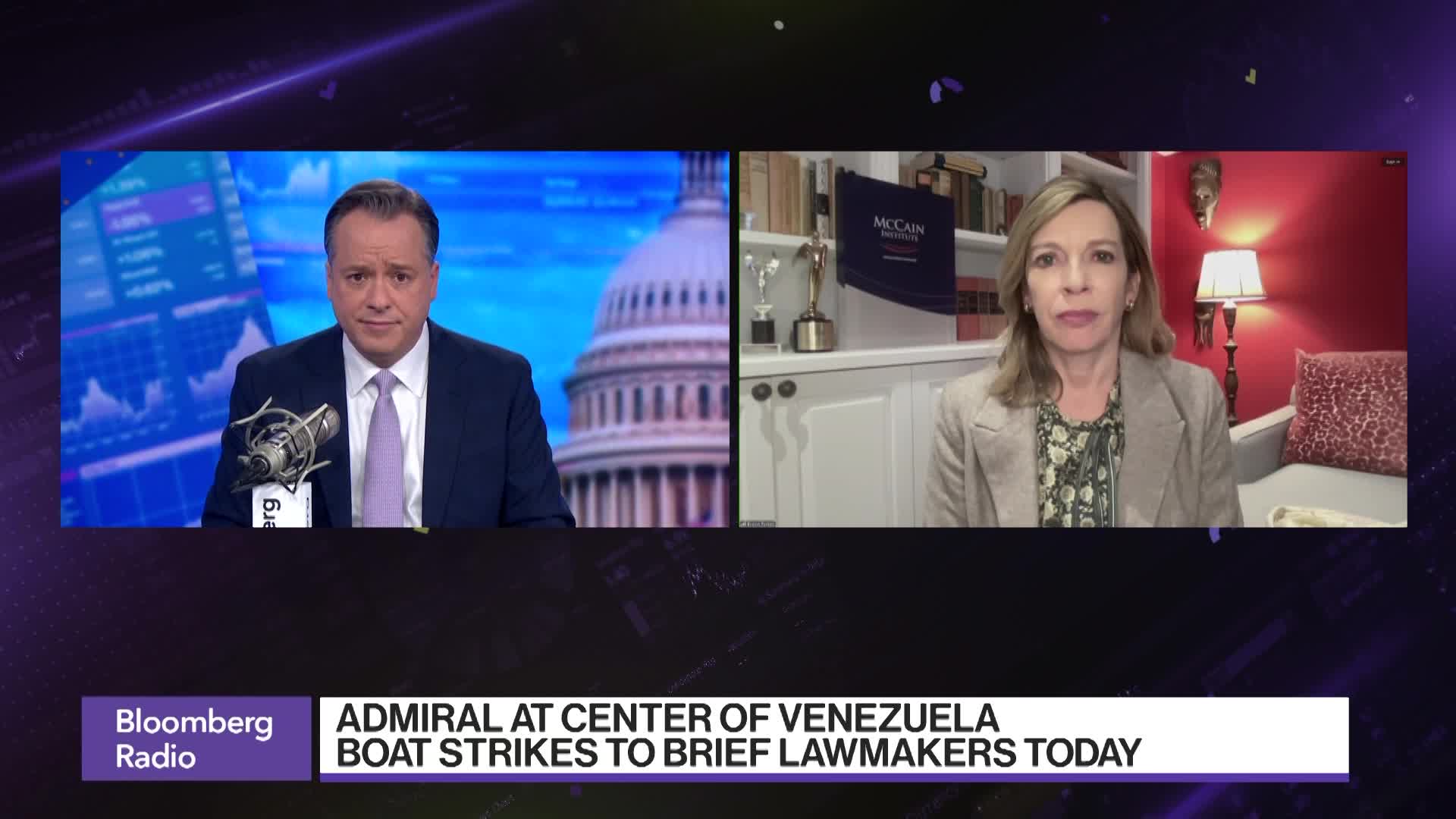
A contested U.S. naval strike is under scrutiny after survivors clinging to wreckage were reportedly killed, prompting legal and congressional questions about whether such high-seas operations qualify as wartime actions or unlawful police operations. Admirals involved say they acted lawfully, but reporting indicates internal dissent, including the reported removal of the SOUTHCOM commander for raising legal concerns and the possibility of future courts-martial or classified congressional testimony; the episode raises geopolitical and governance risks rather than immediate market-moving financial data.
Market structure: Legal scrutiny of US maritime strike operations is a positive shock for large defense primes (Lockheed LMT, Raytheon RTX, Northrop NOC) that sell ISR, munitions and shipboard systems; expect 3–12 month increase in orders for surveillance and rules-of-engagement tech (+5–15% revenue tail potential if policy shifts). Losers include smaller classified-special-ops subcontractors and maritime insurers/reinsurers (private marine underwriters) who face litigation and higher claims costs; commercial shipping may see higher freight insurance premia. Cross-asset: near-term risk-off will likely compress equity multiples, push 10y Treasuries down 10–25bp and lift gold 3–6% if hearings escalate over 1–2 weeks.
Risk assessment: Tail risks include a binding congressional restriction on “offshore kinetic police actions” (low prob 10–20% over 12 months) that could cancel niche classified buys, and a legal precedent forcing compensation/penalties for collateral deaths (financial liability >$1bn aggregate for small suppliers). Immediate window (days): headline volatility and sector dispersion; short-term (weeks–months): committee reports and potential personnel removals; long-term (12–24 months): statute/regulatory changes that re-route procurement. Hidden dependencies: DoD FY procurement cycle timing and foreign military sales (FMS) may offset domestic limitations if allies increase buys.
Trade implications: Establish a 2–3% long position each in LMT and RTX (total 4–6% equity exposure) with 6–12 month horizon; add 1% GLD and 1% TLT as tail hedges to blunt event risk. Buy 3‑month LMT or RTX call spreads (buy 5–15% OTM, sell 25% OTM) sized to 0.5–1% P&L to capture policy-driven repricing; exit on +20% move or if Congress passes operational bans. Pair trade: long LMT vs short a small-cap SOF subcontractor (replaceable supplier) to capture consolidation; size 1–2% net.
Contrarian angles: Consensus will overweight “defense = winner”; miss is that legal/regulatory tightening disproportionately hurts small classified contractors while benefiting large FMS-capable primes—so favor balance-sheet strong exporters. The market may overprice a permanent spike in kinetic demand; if defense peers rally >15% in 30 days, trim to target weights. Historical parallels (post-incident Congressional probes) show temporary headline volatility but eventual budget stickiness; prioritize large-cap primes with >5 years of FMS backlog and free cash flow coverage of >8% EBITDA to avoid policy whipsaw.
AI-powered research, real-time alerts, and portfolio analytics for institutional investors.
Request DemoOverall Sentiment
neutral
Sentiment Score
-0.10
Ticker Sentiment
