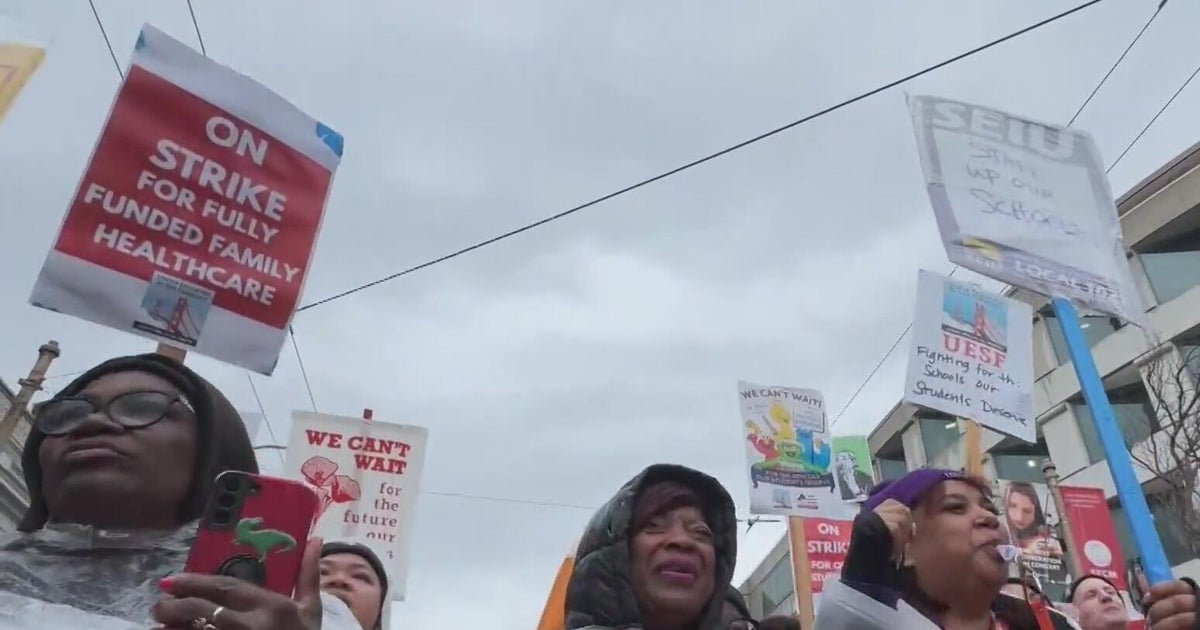
The San Francisco Unified School District teachers' strike entered its fourth day, prompting a virtual parents' roundtable where caregivers urged urgent negotiations to return students to classrooms. Parents and a student highlighted disruptions to learning, special-needs care and parental work productivity, while stakeholders press both sides for expedited bargaining. The dispute raises localized fiscal and operational risks for the district and short-term economic strain on affected families, but is unlikely to move broader markets.
Market structure: A short San Francisco Unified teachers’ strike is a localized demand shock that benefits substitute labor providers, private tutors/edtech and emergency childcare operators (Bright Horizons BFAM, Chegg CHGG, Stride LRN) while creating transient revenue stress for SF-centered retail, foodservice and office-focused REITs (Kilroy KRC) from lower daytime foot traffic. Pricing power shifts toward gig/substitute staffing and digital tutoring if the strike exceeds 5–10 school days; a 2-week strike could lift local ad hoc tutoring demand by an estimated 10–30% in-week for affected neighborhoods.
Risk assessment: Tail risks include a prolonged strike >4 weeks that forces SFUSD to reallocate $20–100M+/yr from capital to labor, widening CA muni spreads; a political escalation could trigger state-level intervention or ballot measures. Immediate (days) effects are revenue timing; short-term (weeks–months) are contract cost inflation; long-term (quarters–years) could be enrollment declines if families relocate. Hidden dependencies: attendance-linked state funding, upcoming SF budget votes, and fall enrollment decisions amplify second-order fiscal stress.
Trade implications: Tactical longs: regional tutoring/childcare equities and short local retail/office landlords for 2–12 week windows; option plays should use 30–90 day call spreads on BFAM/CHGG and protective puts on CA muni exposure (MUB) if spreads widen >15bp. Pair trades: long BFAM, short KRC for 4–12 weeks sized 0.5–2% equity exposure. Monitor SFUSD 5-year muni yield vs MMD: a move >15bp triggers defensive bond hedges.
Contrarian angles: Consensus treats this as immaterial; miss is compounding fiscal mechanics—attendance-driven funding and follow-on enrollment shifts can have persistent muni credit effects if strike recurrence becomes frequent. The market is likely underpricing the optionality in edtech/childcare revenues from recurring short interruptions; conversely, overestimating muni contagion absent a >$50M budget gap is possible, so size hedges small and conditional.
AI-powered research, real-time alerts, and portfolio analytics for institutional investors.
Request DemoOverall Sentiment
neutral
Sentiment Score
0.00
