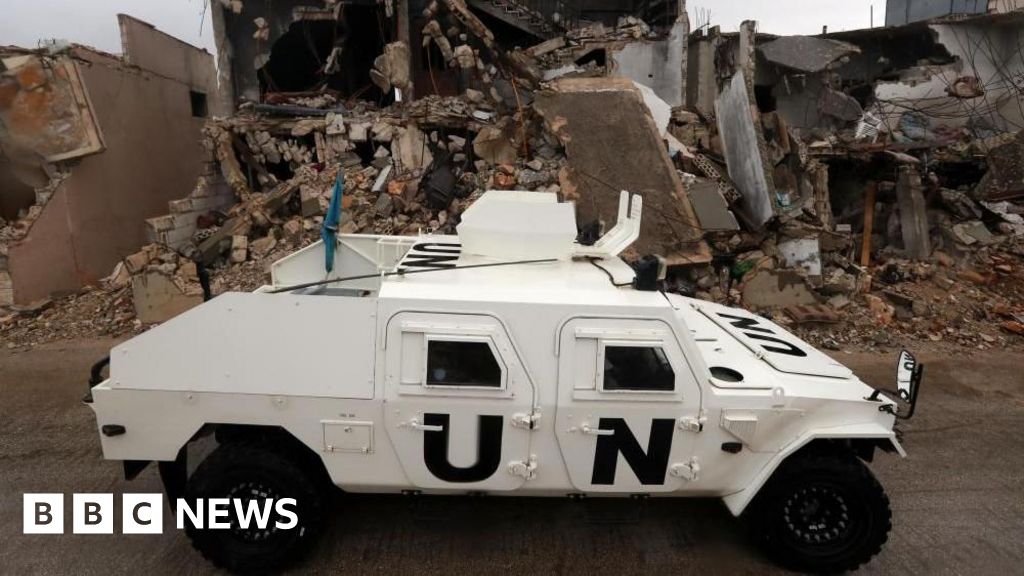
Two Indonesian UN peacekeepers were killed on Monday when an explosion destroyed their vehicle (a third severely injured, a fourth hurt); this follows a separate Indonesian peacekeeper killed on Sunday (identified as Chief Private Farizal Rhomadhon). Unifil has launched investigations, urged protection of personnel, and the incidents coincide with Israel stepping up strikes against Hezbollah and the IDF reporting four soldiers killed, signaling a potential escalation. The events materially raise regional security risk and could prompt risk-off flows in nearby markets and assets exposed to Lebanon/Israel volatility.
This incident acts as an accelerant for two predictable but underpriced flows: immediate risk premia on force-protection and ISR (drones, EW, armored vehicles) and a durable rise in operating costs for regional logistics (security escorts, war-risk insurance). Expect procurement timelines to compress—governments under political pressure often shift from buying advisory services to awarding hardware contracts within 3–12 months, creating a visible earnings lead for prime contractors with ready-made inventory.
Financial stress will propagate unevenly across emerging-market creditors and local corporates tied to tourism, shipping and ports. A 5–15% re-risking of Lebanon-adjacent exposures (bank CDS widening, deposit outflows) is possible within weeks if violence becomes intermittent rather than episodic, pressuring regional banks and FX liquidity lines.
Market pricing currently underestimates pathway asymmetry: a contained escalation preserves risk assets and simply lifts defense names; an asymmetric spillover (cross-border strikes, maritime incidents) would create an oil-insurance feedback loop—spot insurance premia and short-term shipping rerouting could re-price earnings for carriers and freight-forwarders within days and sustain higher costs for quarters.
Catalysts to watch are (1) formal troop-commitment statements from EU/NATO members over 1–4 weeks, (2) emergency procurement announcements in 1–3 months, and (3) a tactical maritime incident that would flip risk-off into a sustained commodities shock. Each has discrete timing and different market winners/losers.
AI-powered research, real-time alerts, and portfolio analytics for institutional investors.
Request DemoOverall Sentiment
strongly negative
Sentiment Score
-0.75
