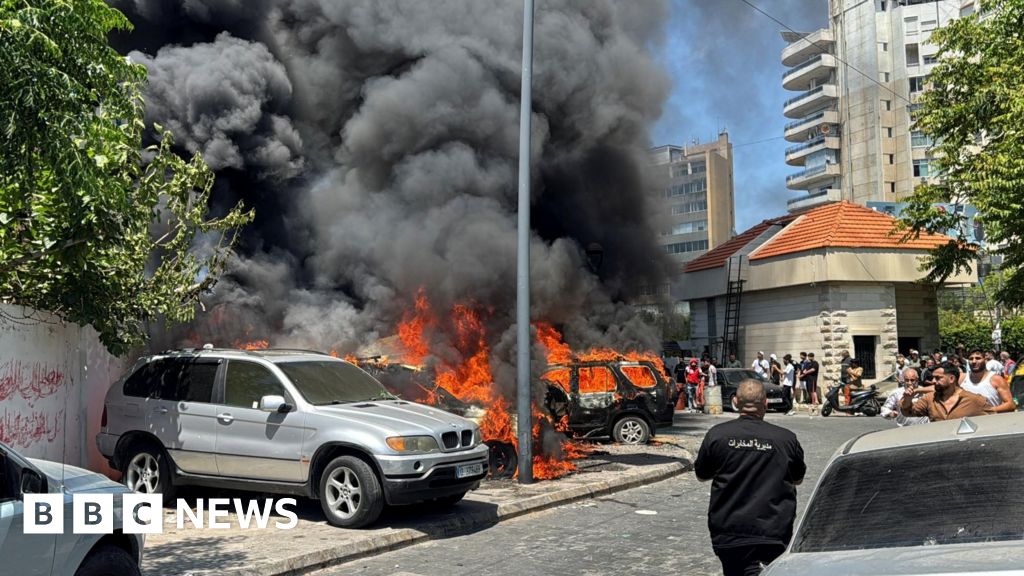
Israeli air strikes in southern Lebanon killed at least 17 people on Wednesday, including nine in Tayr Debba, three in Deir Qanoun el-Nahr, two in Seddiqin, two in Sidon, and one in Tyre, according to Lebanese reports. The escalation came alongside Hezbollah rocket and shellfire attacks on Israeli troops, while the UN is sending investigators to assess possible human rights violations since early March. The conflict has left at least 3,696 dead in Lebanon and nearly one million displaced, keeping regional geopolitical risk and defense-sector focus elevated.
The market implication is not a direct “war premium” trade so much as a deterioration in the odds of a durable risk-off settlement. The key second-order effect is that Lebanon is turning into the binding constraint on any broader US-Iran de-escalation framework, which raises the probability of intermittent escalation cycles rather than a clean ceasefire. That usually matters most for frontier sovereign risk, local banks, airlines, insurers, and any credit with exposure to Lebanon-linked humanitarian or reconstruction flows. The most asymmetric near-term impact is on shipping and insurance around the Levant and eastern Med. Even if energy infrastructure is not the primary target, the clustering of strikes near coastal population and transport corridors increases war-risk premia and creates a lagged hit to regional logistics, port throughput, and tourism receipts over the next 2-8 weeks. Defense contractors and ISR/drone ecosystem names should see continued budget support, but the bigger winner is likely munitions replenishment and air-defense supply chains rather than headline platforms. From a macro lens, the conflict is a tailwind for USD strength, local EM outflow pressure, and higher dispersion across Middle East sovereign CDS. The contrarian point: the market may already be pricing “ongoing conflict” but is underpricing legal escalation risk from the UN investigation and potential war-crimes evidence, which can harden negotiating positions and extend the conflict beyond the tactical military window. That makes the right hedge one step removed from the fighting itself: broader EM risk, airlines, and shipping insurers rather than a pure Brent proxy unless attacks visibly threaten transit or energy nodes.
AI-powered research, real-time alerts, and portfolio analytics for institutional investors.
Request DemoOverall Sentiment
extremely negative
Sentiment Score
-0.85
