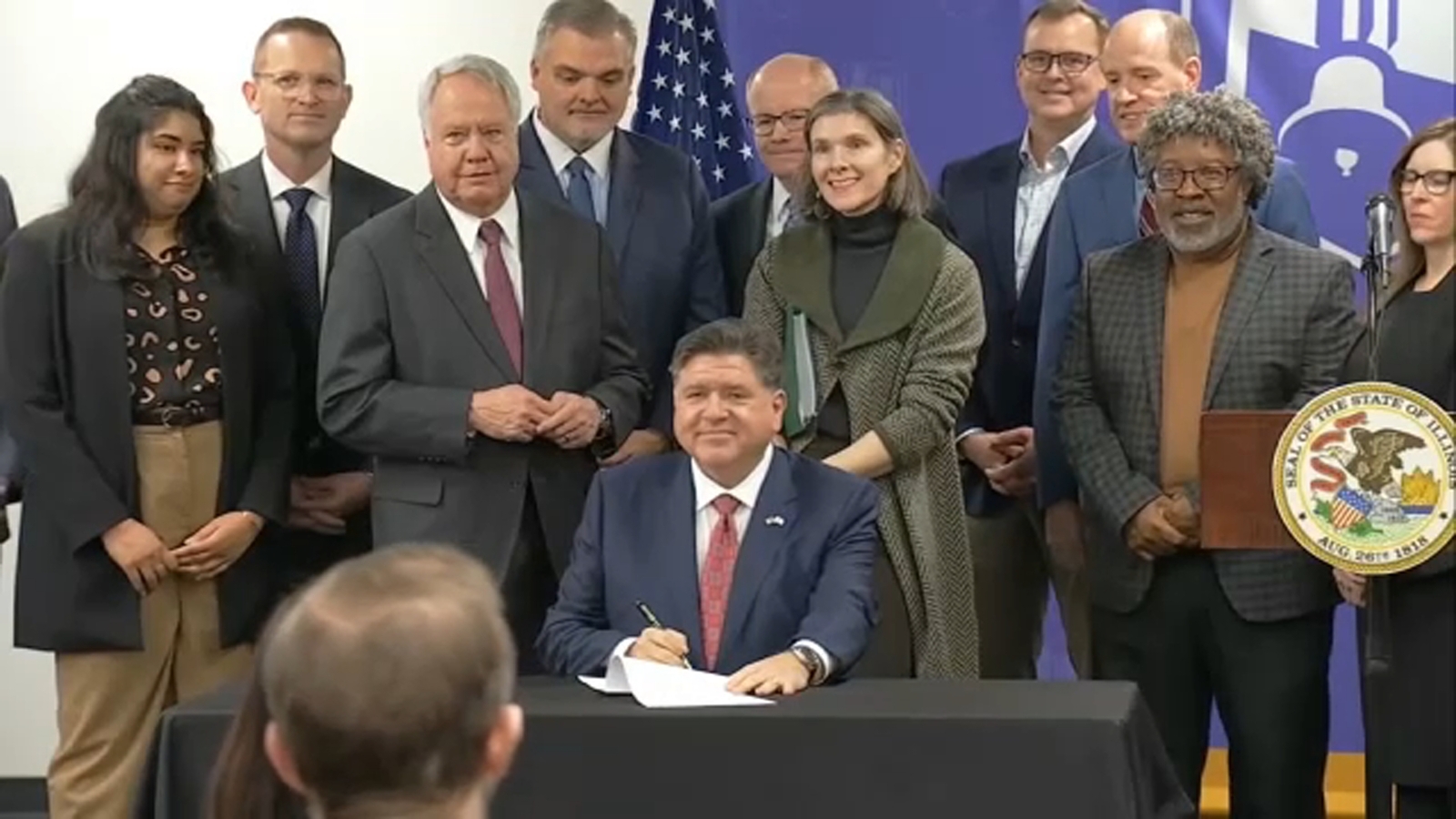
Illinois Gov. J.B. Pritzker signed the Clean and Reliable Grid Affordability Act, lifting the state's moratorium on new nuclear power plants and accelerating deployment of wind, solar and battery storage by mandating three gigawatts of utility-scale storage and enabling payments to rooftop solar owners for grid services. The law, passed by the General Assembly in October, is intended to better manage demand spikes amid rising ComEd prices—cited as driven by increased demand from data centers—which could create investment opportunities for renewable and storage developers while altering long-term planning and capex expectations for utilities operating in Illinois.
Market structure: lifting Illinois’ nuclear moratorium and mandating 3 GW of utility-scale battery storage (≈12% of a ~25 GW Illinois peak) shifts capacity mix toward low‑marginal‑cost baseload and firmed renewables. Clear winners: Exelon (EXC) and large renewables/storage integrators (e.g., Fluence FLNC, NextEra NEE, Enphase ENPH) via long‑duration offtakes and grid services; losers include merchant gas generators and peakers (NRG) and selective midstream exposure if generation hours decline. Daytime wholesale prices should compress 5–15% during high‑renewable hours; peak reliability value will bid up capacity/transmission capex.
Risk assessment: tail risks include multi‑year nuclear permitting/capex overruns (cost shock >+30%), interconnection queue delays, and rollback of federal tax incentives that could stall projects. Immediate market moves (days) will be modest; expect procurement/RFP outcomes in 3–9 months and project commissioning over 2–8 years. Hidden dependencies: Illinois Commerce Commission rulings, PJM/MISO capacity market treatment, and localized transmission upgrades — any of which could materially change economics.
Trade implications: implement small, staged bets: favor regulated utility/nuclear exposure and battery/storage services; underweight unhedged merchant thermal generators and some midstream. Use option structures to cap downside while retaining asymmetric upside around 6–18 month policy/procurement catalysts (utility IRPs, RFP awards). Rebalance as RFPs and interconnection awards materialize within 90–270 days.
Contrarian angles: the market may overrate immediate impact of 3 GW (political win ≠ fast build); supply chain and labor constraints could push schedules >3 years, muting near‑term winners. Conversely, transmission and construction services (engineers/contractors) may be underpriced beneficiaries; consider selective exposure to equipment/engineering contractors if early procurement signals show acceleration.
AI-powered research, real-time alerts, and portfolio analytics for institutional investors.
Request DemoOverall Sentiment
mildly positive
Sentiment Score
0.25
