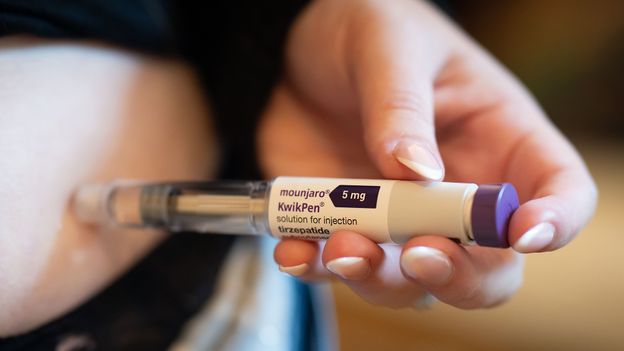
GLP-1/GIP weight-loss drugs deliver ~14-20% mean weight loss over ~72 weeks, with next-generation candidate retatrutide reporting ~29% weight loss at 68 weeks in early trials. Uptake is expanding in private markets and oral formulations are coming, but ~10-15% are non-responders and studies show rapid rebound after cessation (about 60% of lost weight regained after one year; +1.5kg within 8 weeks). Investment risks include need for lifelong treatment or wraparound behavioural support, payer coverage uncertainty, and safety signals (GI issues, pancreatitis, gallstones, muscle/bone concerns) that could affect adherence, regulation and reimbursement.
The commercial implication I focus on is that these therapies behave like subscription products: efficacy while on therapy drives persistent demand for refills, manufacturing capacity and payer scrutiny. That dynamics creates concentrated winners across three nodes — originator biotech (pipeline optionality), CDMO/fill‑finish and distribution/PBM capture — while creating asymmetric downside for food & beverage incumbents exposed to discretionary snack occasions. Expect revenue growth to be back‑loaded into 2024–2027 as new molecules and oral formulations scale and as payers formalize coverage rules.
Second‑order supply constraints are the most actionable near‑term bottleneck: sterile injectable fill/finish, cold‑chain logistics and specialty pharmacy throughput will limit how quickly sales can convert to cash, preserving pricing power for early incumbents and creating 6–18 month arbitrage opportunities for contract manufacturers. Conversely, the looming payer response (utilization management, step therapy, age/indication limits) is the primary reversal risk that can compress the ‘permanent therapy’ thesis within 12–36 months. Safety signal emergence or reproductive/long‑term data surprises would trigger sharp utilization resets and regulatory labeling that materially reduce lifetime revenue per patient.
Behavioral support is the underappreciated margin lever: bundling digital micro‑nudge programs materially increases retention, reduces rebound events and raises effective lifetime value (LTV) per patient. That creates a non‑linear payoff for vertically integrated players who can sell drug + coaching + supply (higher gross margins) versus pure pharma selling only molecules. Monitor early metrics: refill rates at 6 and 12 months, payer prior‑authorization volume and CDMO utilization — these will be leading indicators of durable commercial outcomes.
AI-powered research, real-time alerts, and portfolio analytics for institutional investors.
Request DemoOverall Sentiment
neutral
Sentiment Score
0.05
